





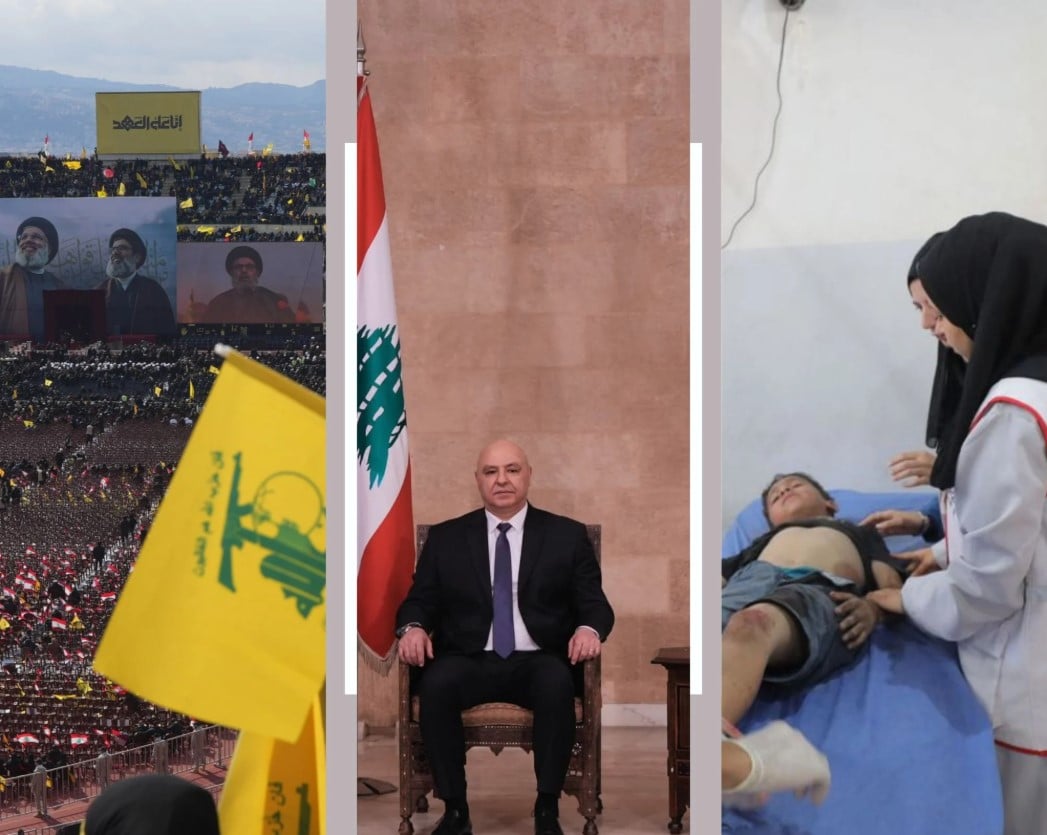
(Credit: L'Orient-Le Jour photo collage)






2025 showed up unannounced, overstayed its welcome and left without cleaning up. Presidents elected, wars raging, cease-fires signed and promptly violated — this year rewrote the regional playbook while we frantically took notes.
From Beirut to Gaza, Syria, Sudan and beyond, our journalists chased developments as they happened, tracked their consequences and returned to the questions that lingered after the headlines moved on. And, we made sure to honor the cultural moments that resonated deeply as much as politics.
So, here's L'Orient Today's year in review — the moments that mattered, the stories that stuck, the headlines we'll be unpacking for years. Buckle up: it’s been a wild ride, and we’re bringing it all back to you, so you don’t have to relive it alone.
January
Lebanon finally ended its presidential vacuum: Army Commander Joseph Aoun was elected on Jan. 9. Nawaf Salam, former president of the International Court of Justice, was appointed prime minister on Jan. 13 and sworn in with his Cabinet on Feb. 8.
Regionally, Jan. 19 marked the second cease-fire in Gaza, which Israel would unilaterally break on March 18.
Internationally, Donald Trump returned to the U.S. presidency, appointing a couple of envoys to Lebanon, who would stir controversy locally but prove immensely important, namely in overseeing the Nov. 27 cease-fire monitoring committee.

February
Locally, Feb. 18 marked the withdrawal of the Israeli army from much of occupied Lebanese territory, though it maintained control over a few positions. Later on Feb. 24, tens of thousands gathered in Beirut’s Camille Chamoun Sports City for the funeral of former Hezbollah Secretary-General Hassan Nasrallah, killed by Israel on Sept. 27, 2024.
In Turkey, PKK leader Abdullah Öcalan called on his party to lay down arms and dissolve itself, which the PKK complied with in May.
Meanwhile, Netanyahu began maneuvering at the White House, setting the stage for a turbulent year — and closing it there, as he meets with U.S. officials this December.
March
Karim Souhaid was elected governor of Banque du Liban following a showdown between the president and the prime minister, ending Riad Salameh’s long tenure. Meanwhile, we tracked down many of the Lebanese detainees released from the Assad regime’s prisons.
Regionally, Syria’s new government faced its first major hurdle with the outbreak of violence on the Syrian coast, resulting in massacres of many Alawites.
Internationally, “No Other Land,” a film about Israel's occupation of the West Bank, won an Oscar.
April
Following March’s administrative appointments and filling all vacant positions, the Lebanese government got down to business. This month saw the beginning of long-delayed financial reforms, starting with the lifting of banking secrecy. Lebanon also commemorated the 50th anniversary of the Civil War, and we devoted a special series exploring the conflict’s origins and reflecting on how it shaped the country we live in today.
Regionally, Turkey once more made headlines with a series of arrests of opposition figures. And internationally, the world bid farewell to Pope Francis.
Amid all this reflection, culture kept pace: globally, Netflix’s “Adolescence” became one of the most talked-about series, sparking conversations about youth, identity and society.
May
After repeated delays since 2022, the municipal elections finally took place in Lebanon, with strong battles fought in ballots across the country. Meanwhile, Economy Minister Amer Bisat spoke to us about the challenges and cautious optimism for the country’s economic growth.
Culture and storytelling took us further afield: Lebanese YouTuber Roberto Helou’s Explorob series traced a journey from Africa to post-Assad Syria
Internationally, Trump’s controversial plans for war-torn Gaza to become the ‘Riviera of the Middle East’ were still making headlines, as he arrived in Saudi Arabia for his first international visit.
June
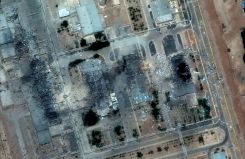
The 12-day war between Israel and Iran dominated the headlines in June, with the U.S. launching attacks on Iran’s nuclear sites. The conflict sent ripples across the region, with Turkey closely monitoring the fallout.
Locally, Israel bombed Beirut’s southern suburbs on the eve of Eid al-Adha, and Culture Minister and former U.N. senior advisor Ghassan Salameh spoke to us about the broader regional context of Israel’s military attacks in the region.
July
Lebanon and the Arab world mourned cultural icon Ziad Rahbani. His funeral brought the nation together and Fairuz appeared publicly, a moment as rare as it was heartbreaking. Politically, pressure was mounting on Lebanon to move on with Hezbollah’s disarmament, as U.S. envoy Tom Barrack said, “If Lebanon does not move, it will return to Bilad al-Sham.”
Regionally, Syria’s new power faced its second major hurdle as violence erupted between its Druze community and Sunni Bedouins in Sweida.
August
While August usually marks a grim month for Lebanon as it commemorates the Aug. 4, 2020, explosion, this year brought unexpected progress. The Cabinet passed its decision on arms monopoly, the banking resolution law was adopted on July 31, the judicial independence law was enacted, and the UNIFIL’s mandate was renewed for one more year.
Regionally, the war in Gaza escalated sharply with Israeli troops moving into Gaza City. And Syria held its first post-Assad legislative elections.
September
Lebanon marked one year since the war between Hezbollah and Israel began — with families still reeling, the pager attack’s effects still raw, the reconstruction process unclear, and Israeli violations of the Nov. 27, 2024, cease-fire mounting daily.
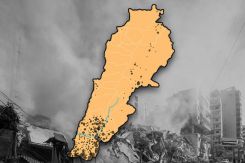
As tasked by the Cabinet the previous month, the Lebanese Army unveiled a five-stage disarmament plan for Hezbollah and other armed groups. Also, the Cabinet approved a draft law to create the country’s first Information Technology and Artificial Intelligence Ministry.
Culturally, L’Orient-Le Jour hosted its first festival, with Prime Minister Salam debating our editors-in-chief as the marquee event, among plenty more panels, talks and activities.
Regionally, Qatar was hit by Israeli strikes targeting Hamas officials, mounting regional fears about Israel’s unchecked military reach.
Internationally, the UK, Australia, Canada and Portugal officially recognized Palestine ahead of the U.N. General Assembly, adding to tensions with Israel.
October
A cease-fire in Gaza was finally reached between Israel and Hamas under U.S. mediation, easing the devastation of a two-year war. Meanwhile, Sudan’s civil war escalated following the fall of al-Fasher.
Locally, the conversation shifted to rights — specifically, diaspora voting in the upcoming parliamentary elections and women's right to pass on their nationality.
Also, Lebanese-American Michelle Isaa was appointed as the U.S. ambassador to Lebanon.
November
As Lebanon was preparing for Pope Leo XIV’s visit to Lebanon, Israel struck Beirut’s southern suburbs, killing Hezbollah’s military chief Haytham Tabtabai’.
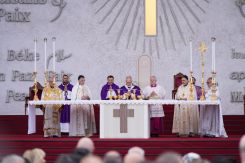
A week later, Pope Leo arrived for a 3-day visit, where he prayed at the Beirut port blast site, visited St. Charbel's tomb in Annaya and led a mass on the waterfront. Later, Lebanon celebrated Fairuz’s 90th birthday.
Regionally, the cease-fire in Gaza proved to be as shaky as Israel continued to conduct operations and attacks in the strip.
Meanwhile in the U.S., Zohran Mamdani won the New York mayoral race against many odds.
December
As the year came to a close, Lebanon held its first-ever direct negotiations with Israel, following the appointment of Simon Karam. Also, the Cabinet adopted the contested text for the financial gap law. The country also kicked off its holiday season, with Christmas markets and remarkable vigils.
Regionally, Syria marked its first anniversary since the fall of the Assad regime.

 Midday news recap: Hebron attack sparks Israeli crackdown, international meeting in Istanbul for regional 'de-escalation'