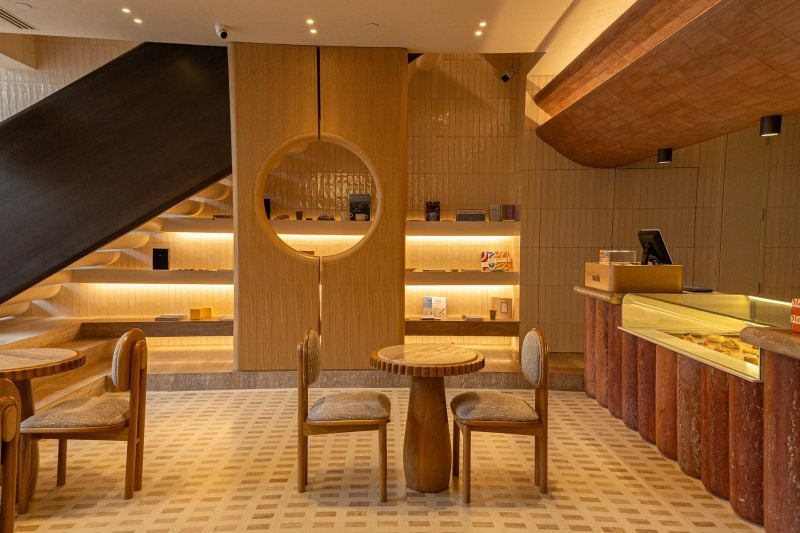
(Credit: Photo provided by the establishment)



In a Beirut where investment is often held back by uncertainty, some choose to go against the grain.
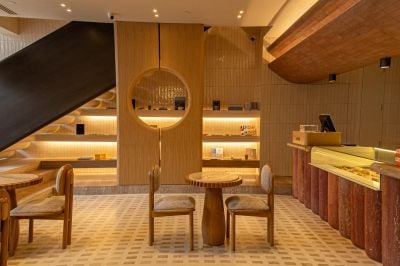
At 26, Rawya al-Lakis is part of a generation of entrepreneurs who see opportunity in crisis to redefine standards. On Feb. 6, she opened Stashh, a high-end coffee shop set up on Omar Daouk Street, in the M1 building, right in the heart of downtown, open from 8 a.m. to midnight.
"I wanted to come back to Lebanon and invest as if I were working in any major city in the world," explains the young woman, who studied and worked in London and Dubai. "Lebanon deserves real investment, creativity and hours of effort."
Even the name Stashh reflects this vision. Inspired by the English word "stash," which suggests keeping something precious, it evokes a place where creatives, entrepreneurs and enthusiasts gather over coffee and conversation. "It's not just a coffee shop, it's a space where people come to collect ideas, moments and connections," she sums up.
A project developed abroad
The idea for Stashh was born at the start of 2025, during a stay in Beirut. A coffee lover, Lakis noticed a gap with international standards. Intrigued, she began an informal analysis with a specialist based in London. The verdict: the problem didn't come from the beans, but from the water.
"In Lebanon, the TDS level [total dissolved solids] can reach 400 or 500, when it should be below 200. That changes everything in a cup."
Out of this observation came the concept of Stashh: a coffee shop where quality relies as much on products as on invisible infrastructure. The entrepreneur invested in a high-end water filtration unit, imported from a German company and installed on the roof of the building. "If I invest, I invest without compromise," she states.
In total, more than half a million dollars have been committed to this 112-square-meter project, capable of hosting between 55 and 60 guests, inside and on the terrace. It's a significant investment in a market deemed risky. "Many told me this money would have been better placed in Dubai. But I felt there was something missing here." The establishment employs 25 people, including a team dedicated to marketing and management.
A community-focused strategy
Even before opening, Stashh built an online presence. For nine months, future customers followed the project's behind-the-scenes progress on social media: renovations, furniture choices, product testing. "Who shares content nine months before opening?" jokes Lakis.
"But it allowed us to create a community before even opening the doors." The opening itself took a unique form: three days of free entry, from Feb. 3 to 5. "We wanted people to make the place their own. And it worked: Stashh immediately felt like home for many."
This sense of community has only grown in a context marked by a fresh escalation of war in Lebanon. Opened during a particularly unstable period, the coffee shop had to adapt its operations day by day: rescheduling opening hours, updating security protocols, maintaining constant team coordination. "The situation put a lot of pressure on us, emotionally and operationally, but it also revealed the spirit of the place," the founder explains.
To keep the business running, Stashh launched its own delivery service and ramped up production in the kitchen to support local food aid initiatives, notably with the Lebanese Food Bank. The company also claims to have kept staff and wages in place without any budget cuts despite the crisis.
An offering between specialty coffee and Nordic bakery
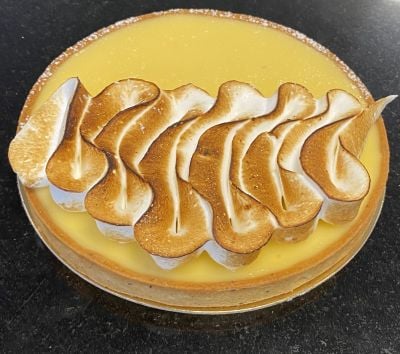
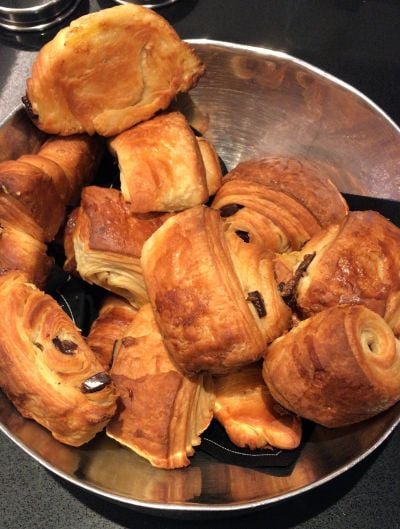
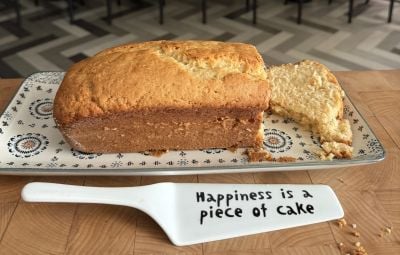
Stashh targets the specialty coffee segment, with beans imported from Colombia, Ethiopia and Brazil, and a menu that goes beyond just takeaway drinks. The selection includes pastries inspired by Scandinavian countries, such as babka, buns, and chocolate cakes.
The average ticket is about $15, rising to $20 with savory dishes. The coffee shop aims for a broad clientele, from young professionals to a more mature audience. "We're aiming for a return on investment in five years," explains Lakis, who also emphasizes qualitative indicators: brand image, customer loyalty, customer experience.
While Stashh is legally registered in Dubai, Beirut is its first showcase. The team was trained in the Emirates before being deployed to Lebanon. "It's a concept born in Dubai and launched in Beirut," its founder sums up.
In a city where openings are usually cautious, Stashh stakes out a different position: investing heavily, aiming for excellence and building lasting relationships with its customers. It's a risky bet, but one they're willing to take.