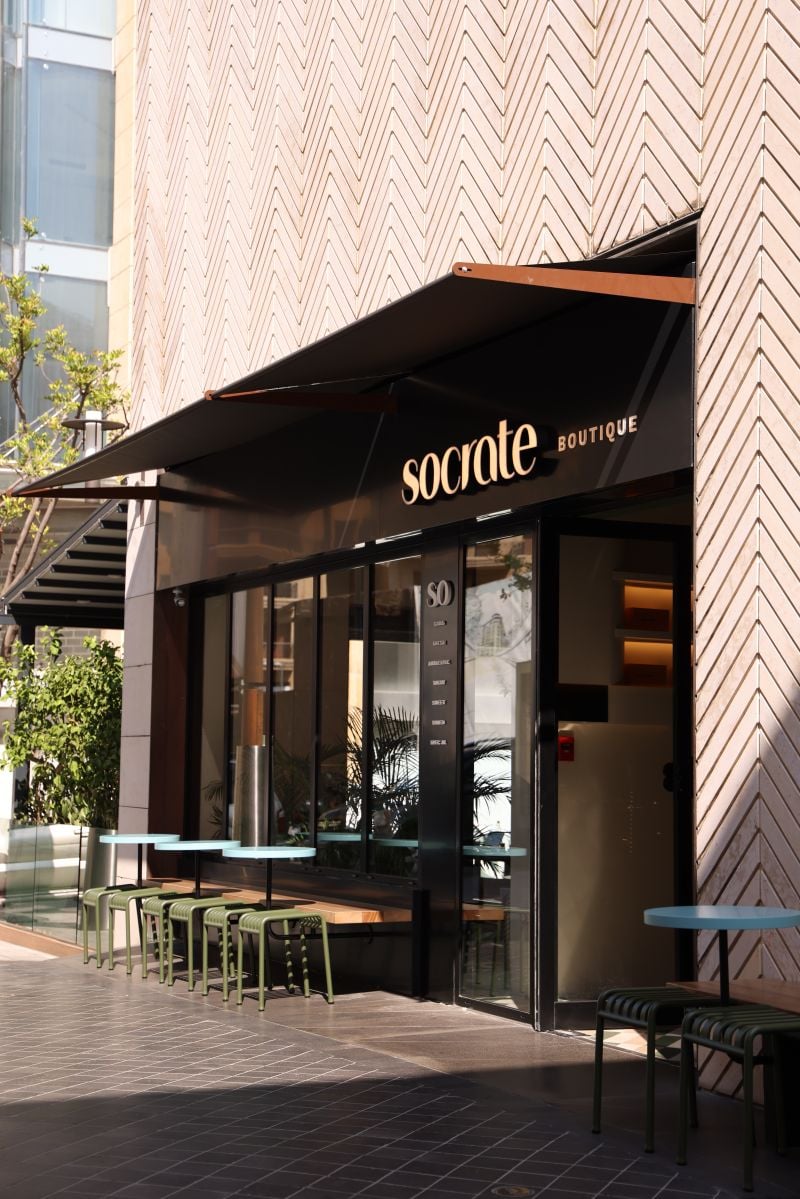
(Credit: Photo provided by the establishment)



In Beirut, some investments are also statements of confidence. In September, Socrate opened a new location in the Beirut Souks, more than 60 years after the brand was founded in the capital. Developed by Socrate Catering SAL, the restaurant spans roughly 520 square meters across two levels and can accommodate up to 100 people, with indoor and terrace seating.
The investment exceeded $1 million. The project was fully financed by Socrate Catering SAL, reflecting a long-term commitment to the country despite a still-fragile economic environment.
The opening was not coincidental. The Souks still bear the scars of the crises that have affected downtown, particularly the Aug. 4, 2020 explosion, which severely damaged the area. Since then, shops, restaurants and offices have gradually returned, driven by private investment. Socrate wants to be part of that revival.
“The decision to invest wasn’t just about opening another restaurant. There was a strong emotional and historical reason behind both the choice of this project and this location,” said Saad Zeidan, owner and manager of Socrate Catering SAL.
About 40 jobs for an all-day venue
The new restaurant employs around 40 people and is open from 9 a.m. to 11 p.m. Its model centers in part on lunch service for employees, professionals and visitors to downtown, with Lebanese dishes prepared daily.
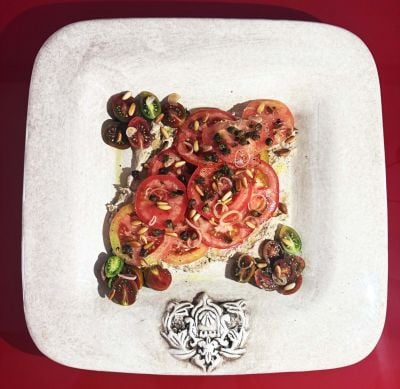
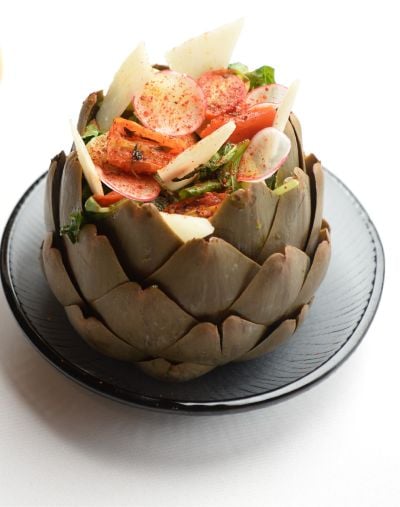
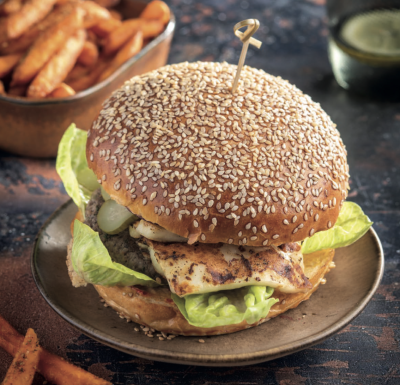
The restaurant will retain Socrate’s classics and famous daily specials while expanding its offerings. The dinner menu will include salads, hot and cold starters, grilled meats and signature dishes. A mezza bar will feature 16 different items.
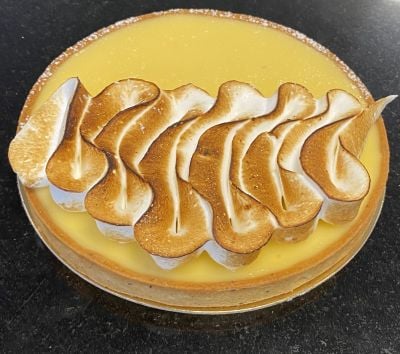
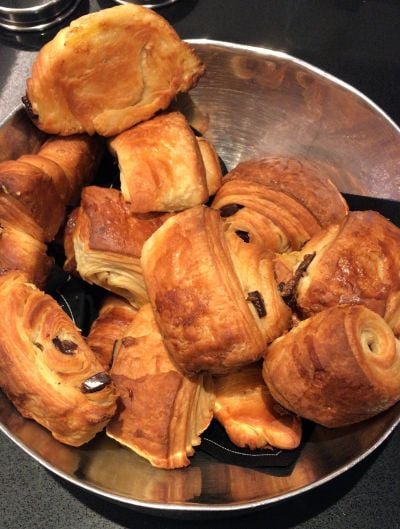
The concept also includes takeaway. A boutique section will offer Lebanese and French desserts, ice cream, as well as eight freshly prepared dishes each day, along with salads and cold appetizers.
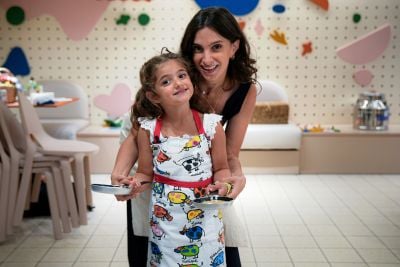
The dining room and terrace blend into a single space that can be opened up to accommodate both individual diners and groups.
Evolving a brand without erasing its history
For Socrate, the challenge is less about recreating a historic address than transplanting its identity into a new setting. The menu will continue to draw on flavors familiar to several generations of customers.
“At the heart of the new Socrate is a simple idea: preserve heritage while allowing it to evolve,” Saad Zeidan said.
The strategy is also designed to appeal to two generations of customers. Regulars should be able to rediscover the flavors and hospitality that built the restaurant’s reputation, while a younger clientele is being targeted through a more contemporary take on the menu and decor.
It also responds to a more fragmented approach to dining. Lunch, dinner and takeaway coexist under one roof, with 14 hours of service each day.
The brand wants to place this new location within a story that stretches beyond Lebanon’s recent crises. After more than 60 years in business, it has chosen to retain its historical identity while adapting its model to a new neighborhood and a new generation of customers. The taste remains unchanged. The decor, however, does not.