






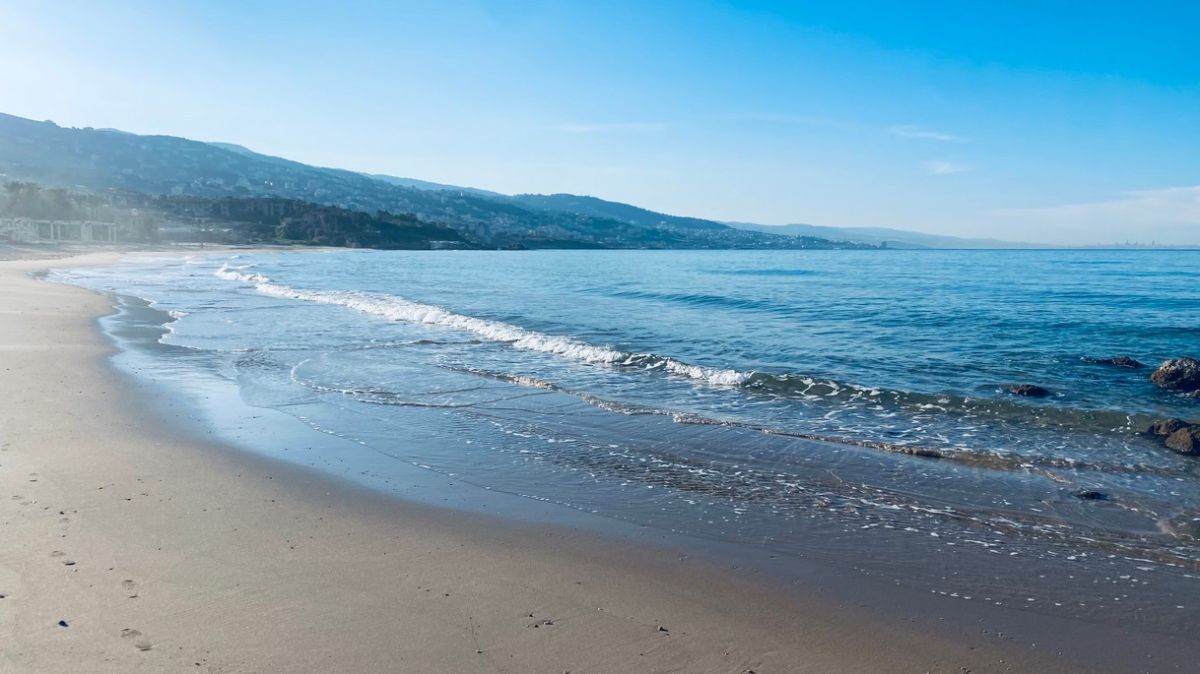
Jbeil's public beach, in February 2024. (Credit: Olivia Le Poidevin/L'Orient-Le Jour)






Public Works and Transport Minister Fayez Rassamny announced that this summer, “13 new permits” were granted to manage public beaches along a Lebanese coastline increasingly eroded by private projects and encroachments on public lands. According to the minister, this brings the number of sites now open to the public along the less than 200 kilometers of coast to 20.
This announcement is significant in a country where access to the coast is complicated by various factors, including numerous encroachments dating back to the 1980s during the 1975-1990 civil war, despite a 1925 decree stating that the coast belongs to the public domain. Beyond illegal construction, some projects have benefited from special government decrees, which civil society activists often criticize. Poor management and land and marine pollution also render many beaches virtually unusable. Only a few get consistent management, such as the sandy beach of Ramlet al-Baida in Beirut, which nonetheless remains one of the most polluted in the country.
In this context, what makes a coastal plot a public beach? Is access free? Where are these 20 beaches located? Here's what we know.
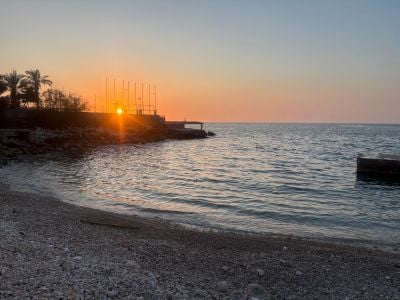
From Qleiaat to Baissariyeh
The new public beaches are located in Ghazir, Nahr Ibrahim, Jounieh, Oqaibeh (Kesrouan), Kfar Abida, Monsef, Thoum, Hamat (North Lebanon), Dbayeh-Zouk Kharab (Metn), Saida, Ghazieh, Sarafand, and Baissariyeh (South Lebanon). The public beaches previously managed under permits include Barbarah, Qleiaat (North Lebanon), Amchit, Jbeil (Jbeil district), Tabarja-Kfar Yassin (Kesrouan), Ramlet al-Baida (Beirut), and Sarafand (South Lebanon).
These sites must also be considered alongside those classified as nature reserves (which follow a different regime), such as the sandy beach of Sour (South Lebanon), the Palm Islands off the coast of Tripoli (North Lebanon), and the hima (local reserve) of Mansouri (Sour, South Lebanon), which is now at great risk due to the incessant bombing by the Israeli army.
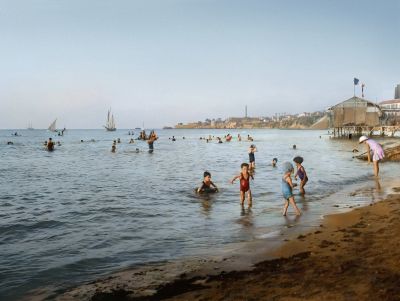
How is a beach designated as 'public'?
Rassamny provided details on the permits granted, emphasizing that they were issued in accordance with strict specifications and met requirements for organization, safety, and basic services. “The Ministry oversees their implementation, and in case of shortcomings, the concerned parties will not be able to renew their permits,” he said.
Speaking to L'Orient-Today about the 13 new public beaches, Mohammad Nahle, director of the department of public maritime lands at the Public Works and Transport Ministry, confirmed that permit applicants for the 13 new sites are primarily municipalities. Local cooperatives can also apply. Among the criteria for obtaining a license, the beach must be “clean and safe” and supervised by lifeguards, explains Nahle. From Barbarah, Rassamny also emphasized these criteria: “Expanding the number of public beaches establishes an essential concept, that of keeping the coast open to all, but within a framework that guarantees cleanliness and safety.”
According to him, municipalities take the initiative to install necessary infrastructure, including control towers, floats in the water, and lifeguard services. “It is very positive that municipalities take over the management of public beaches because they can improve access, provide parking, and work to reduce pollution where possible... But at the Ministry, we place great emphasis on safeguards: these places are meant to serve the population, not as sources of profit for anyone,” says Nahle.
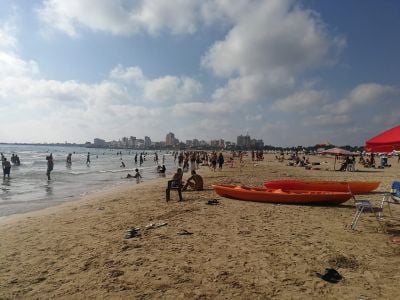
Are these beaches fee-based?
“People visiting public beaches should know that access must be completely free, and any expenses are voluntary for bathers who wish to buy food or rent chairs or umbrellas, for example. Any other restrictions, such as forbidding visitors from bringing their own chairs or food, are neither permitted nor justified by the permit granted by the Ministry. Swimmers should be aware of this and report such incidents if they occur," adds Nahle.
He therefore calls on citizens to remain vigilant, know their rights, and report abuses, since the Ministry’s resources do not always allow it to detect all irregularities.

 8 p.m. recap: Israel again threatens Beirut’s south suburbs; 2 ships hit near Hormuz; Riyadh football matches canceled