


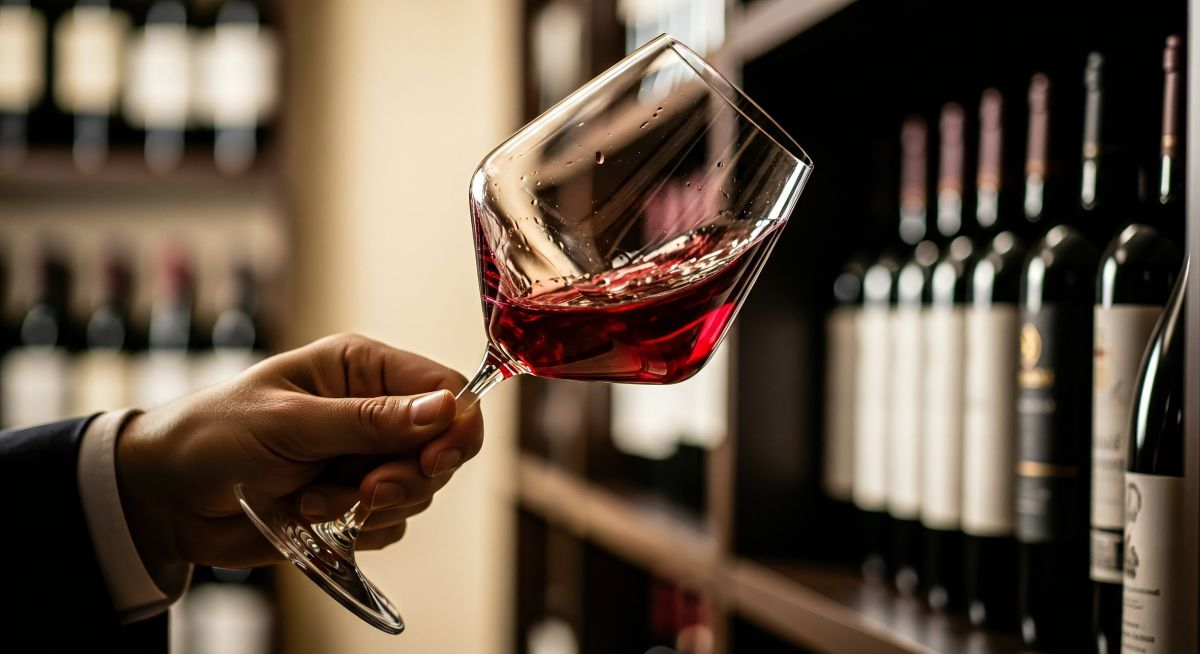
Photo: Vecteezy (royalty-free)






The professions related to wine cannot be practiced without passion. So, passionate are the winegrowers, oenologists, cellar masters and wine merchants.
Even the newest of the group, the sommelier — the one who selects and serves wine at the restaurant — must be passionate in order to know the best pairings for each wine, year by year, vintage by vintage.
• The winegrower
He is the father of wine. He is responsible for growing the vines and producing quality grapes. He studies his terroir, chooses it to adapt the best grape varieties, and oversees all stages related to the vineyard, from planting to harvesting, ensuring the health of the plants and the quality of the fruit.
His tasks include pruning, soil maintenance, irrigation management, protecting against diseases and pests, and harvesting at the optimal moment. He is responsible for the grape harvest.
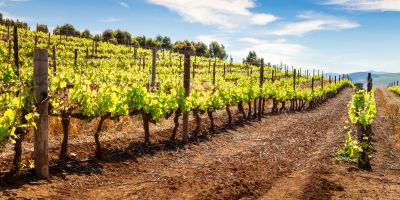
Working to the rhythm of the seasons and the needs of the vines, the winegrower plays a key role in the quality of the grapes, which are the foundation of any wine. His expertise and agricultural know-how are therefore essential to guarantee the aromatic and taste potential of future vintages.
• The winemaker
He is the one who turns grapes into wine. Often both a winegrower and a winemaker, he supervises all the stages of production, from vineyard management to the creation of wine blends. He ensures the quality of the grapes, organizes the harvest, and oversees the processes of vinification, blending, and aging to create balanced wines that reflect their terroir.
He also makes crucial decisions about which techniques to use for each cuvée, making sure that the wine retains its identity and style. Sometimes, he is also involved in marketing and promoting his wines.
• The oenologist
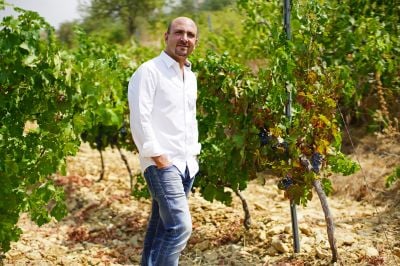
The oenologist is the scientific and sensory expert on wine. There’s a reason some local wine producers have bothered to pursue advanced studies in the field at prestigious schools like Bordeaux. He oversees every stage of production, from vineyard to bottle, to ensure quality, typicity, and aromatic harmony. He advises the winemaker on vinification techniques, fermentations, and blending to create wines that are balanced and consistent with the desired style.
The oenologist also performs regular chemical and sensory analyses to monitor the wine’s development and determine the ideal bottling time. His training allows him to identify every aroma and flavor. He works closely with the cellar master to implement recommendations, oversee aging, and ensure proper storage of the wines.
He also engages in research and innovation, developing new techniques or exploring new flavor profiles. He is the guardian of the wine’s quality and identity, combining science, sensitivity, and expertise.
• The cellar master
The cellar master is the guardian of quality and the development of wines and spirits. He manages the cellar and storage, ensuring that conditions of temperature, humidity, and lighting are optimal for product preservation.
He closely follows vinification and aging processes, manages inventory, organizes product flows, and ensures the traceability and tracking of each batch.
Focused on quality and safety, he checks every production before it’s released for sale and ensures compliance with health standards and good practices. He also supervises the cellar team, coordinates daily tasks, and trains staff in storage, handling, and tasting techniques.
• The broker
Once the wine is bottled, the broker acts as the link between the estate and the merchant. In the region where he operates, he must know every cellar, vat by vat, as well as the exact characteristics of each wine.
• The different types of merchants
Generally, the merchant buys wine to resell it after more or less intervention on the nature of the wine. The “distributor” merchant buys wines in advance or from a catalog and often holds a monopoly over a vineyard. The “maturation” merchant also buys wines, but blends them as he wishes to create a new product. The “producer” merchant owns a vineyard and sells his own wine directly.
• The wine shop owner
In collaboration with the sommelier, he ensures the proper storage of bottles, respecting optimal temperature and humidity conditions.
He carefully selects original and quality wines, considering quality, vintages, and possible pairings with food. He advises private clients and restaurants to help them make choices suited to their tastes and needs and provides information about the origin of each wine.
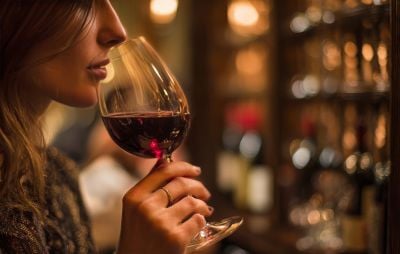
• The sommelier
The sommelier is the wine expert in a restaurant. He carefully selects the bottles for the wine list, considering the style of the establishment and the dishes offered. He oversees the management, purchase, and optimal storage of the wines, guaranteeing their quality.
His role also includes advising clients by suggesting harmonious food and wine pairings, tailored to their tastes and the culinary experience they desire. He serves wine professionally, presenting and opening bottles correctly, selecting the ideal temperature, and the right glass for each wine.
In addition to his front-of-house duties, the sommelier trains and educates staff on winemaking techniques and knowledge, and may lead tastings for clients. He stays constantly up-to-date on wine trends and new releases, developing expertise on grape varieties, regions, and vintages.
In short, the sommelier guarantees the wine experience for customers, combining know-how, advice, and a passion for wine.
