


Photo provided by Château St. Thomas
At the end of the Lebanese civil war, everyone rebuilt houses, cities, and lives. Said Touma, however, dreamed of a different kind of rebirth: that of Lebanese viticulture.
Heir to a family expertise dating back to 1888 with arak, he was convinced that wine could once again become a symbol of continuity and future. In 1990, he laid the foundations for this project in Kab Elias, planting his first vines on the slopes of Mount Lebanon, between 900 and 1,300 meters in altitude.
His dream materialized in 1998 with a first vintage, when he founded, together with his wife Nadia and the family — Joe-Assaad, Nathalie, Claudine, and Micheline — the Château St. Thomas estate.
Named in reference to the family name and the Arabic appellation Mar Touma, the 70-hectare domain has a clear ambition: to create a great Lebanese wine, modern and structured, true to the millennia-old history of the Bekaa Valley.
The terroir is one of the estate’s main assets: a calcareous soil mixed with clay and stone, cold winters, dry summers, cool nights, and strong temperature contrasts, all conducive to the slow ripening of grapes.
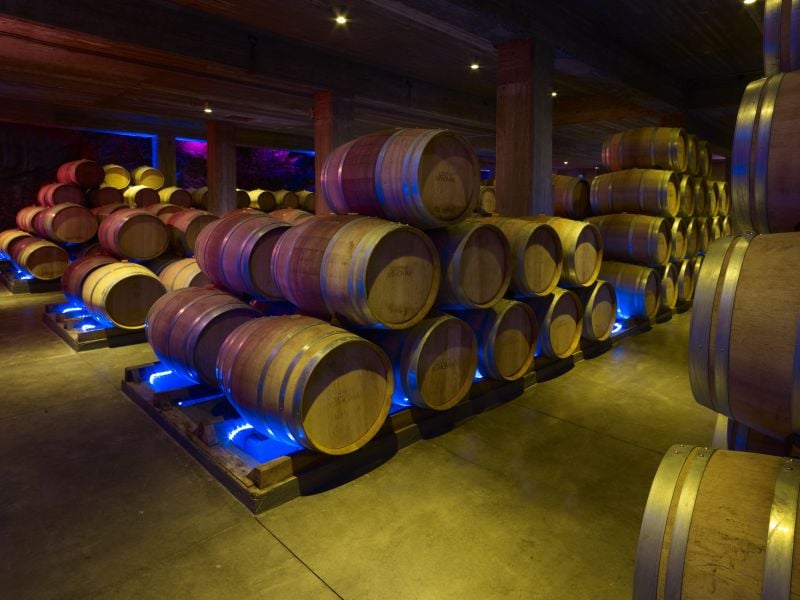
The altitude and the presence of two mountain chains create a Mediterranean microclimate with continental influences. Another hallmark is the cellar, dug up to thirty meters into the rock, which maintains a naturally stable temperature of about sixteen degrees — ideal for long and harmonious aging, in peace and coolness.
At the heart of this rise, one figure stands out: Joe-Assaad, Said’s son, an agricultural engineer who became an oenologist after studying in Montpellier and Bordeaux. He brings technical rigor and a contemporary perspective to the estate, championing practices that respect the land and the fruit, far from flashy displays and closer to the essentials. His vision favors precision, purity and balance — values that now define the identity of the estate’s wines.
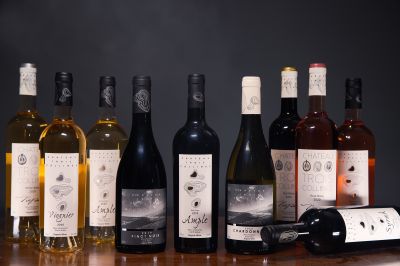
Château St. Thomas offers a range that reflects family history and the richness of its terroir: from fresh, accessible wines to structured, deep and complex cuvées. Some bottles have become iconic, such as the Obeidy, a local grape variety championed by the estate through the Wine Mosaic project for its adaptation to climate change, or barrel-aged cuvées that reveal the personality of the mountain terroir.
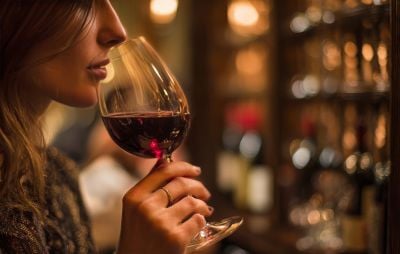
The Touma family also explores indigenous varietals resistant to climate variations. Other wines show a carefully mastered boldness, such as Lebanon’s first Pinot Noir, as well as age-worthy reds or rosés laden with symbolic significance in Lebanese culture.
This diversity, combined with a constant pursuit of quality, has earned the estate solid and regular international recognition. Since 2002, Château St. Thomas has amassed more than 95 gold and silver medals at the most prestigious competitions: Vinalies Internationales, Sélections Mondiales des Vins du Canada, Mundus Vini, Mondial du Merlot, Mondial du Pinot Noir, Decanter World Wine Awards and Concours Mondial de Bruxelles.
These distinctions have helped place the estate on the world wine map, far beyond Lebanon’s borders.
But Château St. Thomas never rests on its laurels. Joe-Assaad has developed a bottle of Merlot A, the Merlot forming the core of his thesis. The Merlot A (named after Joe-Assaad) is a small-production wine, crafted from four or five vintages so far, produced in limited quantities to avoid stressing the vine and to allow for extra concentration. It is available only at the vineyard.
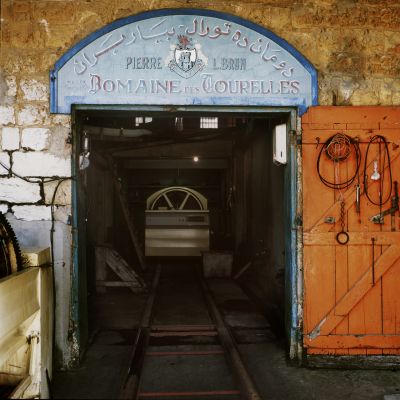
The estate also cultivates a human and almost spiritual dimension. At its heart, a chapel dedicated to Saint Thomas hosts weddings, baptisms, and family moments, embodying respect for tradition and the environment.
Château St. Thomas takes practical steps: photovoltaic panels, planting roses and thyme to limit pesticides, producing rose water, using lighter bottles for export, recycling organic waste, and making verjuice — the acidic juice extracted from pressing unripe white grapes — according to international standards.
Château St. Thomas is the story of a family that, generation after generation, turned a dream into an estate, and this estate into an identity. Perched on the slopes of Mount Lebanon, facing the Bekaa, it proves that wine, when made with conviction, can become memory, pride and promise all at once.
 Israeli army continues explosions in Mansouri, strikes in Nabatieh district