


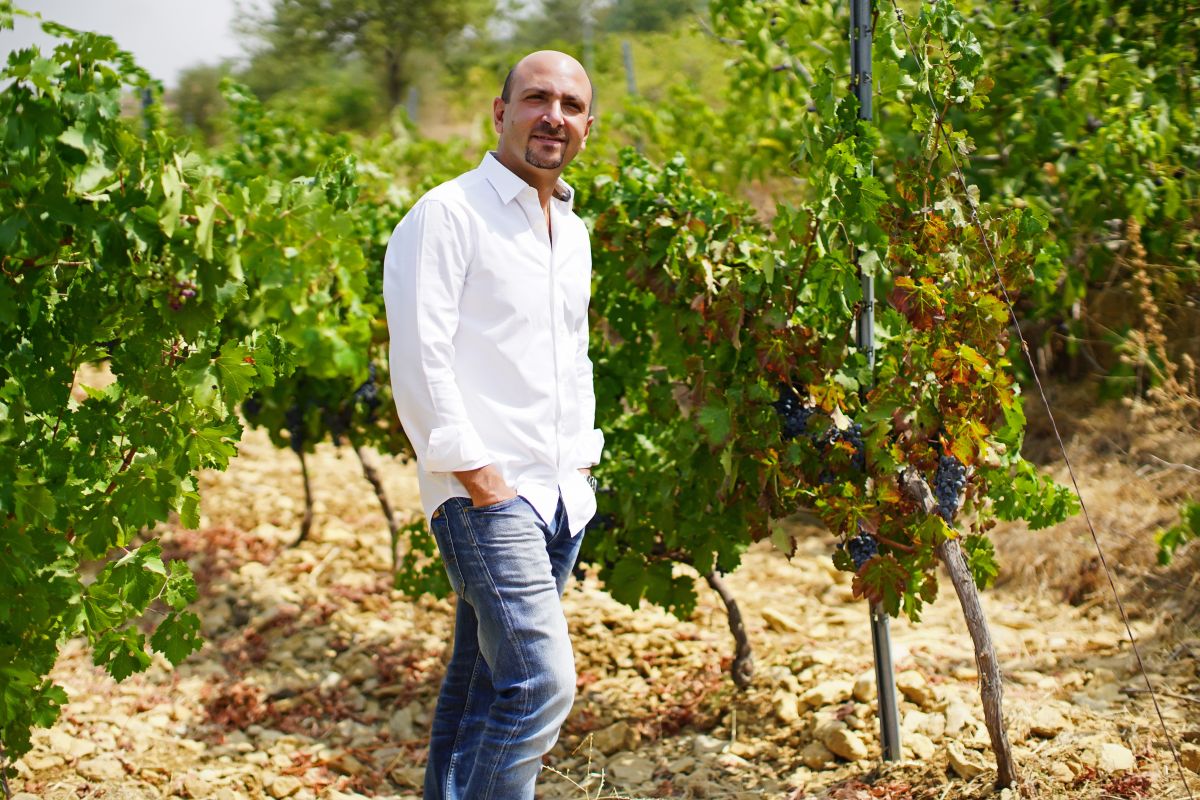
Photo provided by Selim Yasmine.






At the helm of Lebanese Wine 209 and Levain Wine Bar, Selim Yasmine is a wine enthusiast who takes his passion, as he puts it, quite literally and very seriously. He offers valuable advice, especially to newcomers, on wine, its storage and how to enjoy it properly.
“Wine, for me, is much more than just a glass. I’ve always said it: wine is not simply a drink, it’s a story in a glass, a journey. Every bottle has its own personality, its terroir, its style. And if you really want to understand it, you have to know how to listen to it and follow its journey.” From this philosophy flow a few essential principles and tools for fully appreciating what wine has to say.
Essential accessories to get started
For any wine lover, certain tools are indispensable. The corkscrew, of course, tops the list. A good sommelier-style or double-lever model allows bottles to be opened cleanly, without damaging the cork or leaving fragments in the glass.
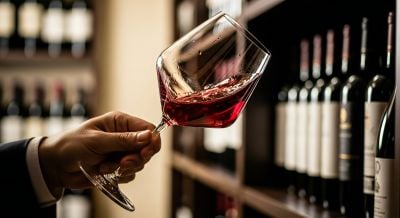
Glasses also play a decisive role. Their shape directly influences how aromas are expressed: a large bowl for red wines, a narrower glass for whites or lighter wines. A carafe or decanter is another useful tool, helping to oxygenate a young wine or soften the tannins of an older red. For white, rosé or sparkling wines, an ice bucket helps maintain the proper serving temperature, while a stopper or preservation system becomes essential when an opened bottle needs to be kept for a few days.
Depending on one’s level of interest and expectations, other accessories can enhance the experience, such as a quick aerator, a vacuum pump or more advanced systems that allow wine to be served without opening the bottle.
Carafe or decanter: what’s the difference?
The two are often confused, but they serve different purposes. A decanter is primarily used to separate wine from sediment and to aerate it thoroughly. It is particularly suited to older red wines or young, highly tannic grand crus. Its elongated shape and wide base maximize contact with air.
A carafe, by contrast, is mainly intended for serving wine. While it may provide light aeration, its primary function is practical and aesthetic. Simpler in form, it is suitable for all types of wine, especially young or lightly tannic ones.
How to choose a wine fridge
Whether for long-term aging or simple service, choosing a wine fridge requires care. Temperature is the first criterion: for aging, stability around 12 to 14 degrees Celsius (about 54 to 57 degrees Fahrenheit) is ideal, while a service fridge should offer adjustable ranges depending on the wines stored.

Humidity is equally crucial. It should fall between 50 percent and 75 percent, ideally around 60 percent, to keep corks supple. Too dry and the wine oxidizes; too humid and labels deteriorate. Protection from UV rays, the absence of vibrations and a capacity suited to actual needs are also important. Finally, location matters: a temperate room, away from heat sources and direct light.
Understanding different types of glasses
Every wine has its ideal glass. Full-bodied reds are best served in a Bordeaux-style glass, tall and broad, while more delicate reds such as Pinot Noir flourish in a rounder Burgundy-style glass. White wines require narrower glasses to preserve freshness and aromatic intensity. Rosés generally use a format similar to that of white wines.
For sparkling wines, the flute remains a classic choice, but a tulip-shaped glass allows better aromatic expression while preserving the bubbles. Glasses for sweet and fortified wines are smaller, with a narrow opening to concentrate aromas.
As a general rule, the more complex and full-bodied the wine, the wider the glass should be. The lighter and more aromatic the wine, the more it benefits from a narrower shape.
How to store an opened bottle
Once a bottle has been opened, a few simple steps can extend its life. Resealing the bottle, ideally with the original cork or an airtight stopper, is essential. Reducing contact with air also makes a real difference. Transferring the wine to a smaller bottle or using a vacuum system slows oxidation. Finally, storing the bottle in the refrigerator, even for red wines, helps stabilize the wine and slow chemical reactions.
Recognizing a quality wine: Key criteria
Recognizing a good wine means observing, smelling and tasting. First, with the eye: a quality wine is clear and bright, with a color appropriate to its age and grape variety. Next, the nose: aromas should be clean and harmonious, without flaws. Their intensity and how they evolve with aeration are important indicators.
Finally, on the palate, balance is key. A quality wine harmonizes acidity, alcohol, sugar and tannins. Structure, texture and length on the finish also matter. The longer the aromatic persistence, the more accomplished the wine is often considered. Complexity, meaning how flavors unfold over time, is another crucial marker, as are origin, grape variety and the reputation of the producer.