


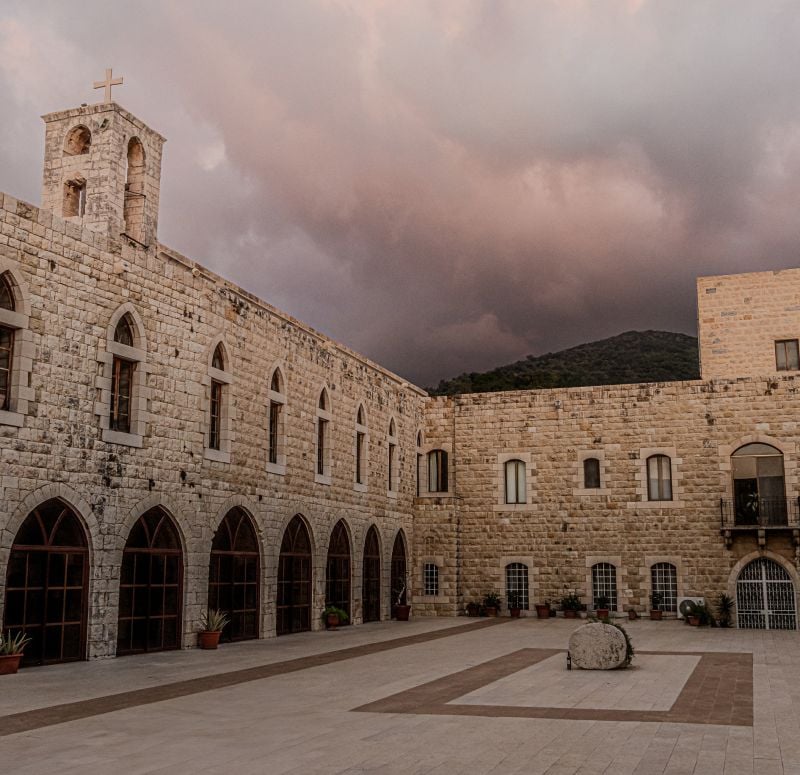
Photo provided by Adyar Winery.
Lebanon's history with wine famously spans thousands of years. Long before the country became a well-known wine destination, vineyards already covered the slopes of the Bekaa Valley, shaping landscapes and traditions that have lasted through the centuries.
The Romans, whose emperors particularly enjoyed wine from the valley, helped promote its reputation.
As for the Phoenicians, those visionary sailors, they made wine a key part of their trade, exporting Lebanese wines throughout the Mediterranean basin.
Thus, in Lebanon, wine is more than just an agricultural product: It is a cultural heritage passed down since ancient times.
This heritage found new expression with the founding of the Lebanese Maronite Order in 1695. From the very beginning, the order emphasized vineyards as a central part of monastic life.
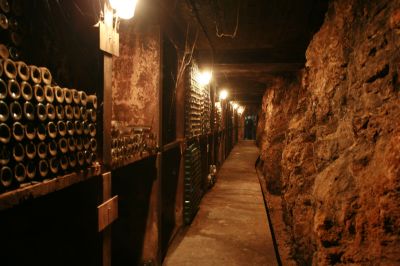
Spread across 60 monasteries in Lebanon and 25 more abroad, the monks cultivated the land, harvested grapes, fermented and produced wines for both liturgical use — especially sweet mass wine — and table wine that neighboring communities would purchase.
Wine integrated into the rhythms of religious communities, influencing their economy and mission.
“Wine production dates back to the founding of the order, 330 years ago,” recalls Father Élie Yammine, CEO of Adyar.
But the pivotal moment came in 2001: The order decided to unify the wines produced in its monasteries under a single name. This name, Adyar, means “monasteries” in Arabic — an obvious choice, and one with significance.

Adyar is more than just a brand: It represents ongoing expertise, a commitment to preserving a legacy and the belief that wine can connect spirituality, land and identity.
Adyar wine has become a strong symbol. It represents patriotism, first and foremost, because it comes from nine different terroirs, all from nine monasteries nationwide, spanning the North to the South and elevations between 400 and 1,700 meters.
Nine regions, each with a distinct character, climate, topography and soil composition: This diversity enables the production of wines with unique profiles. These wines embody a recognizable terroir shaped by exceptional natural conditions.
Each bottle reveals a piece of Lebanon: its mountains, slopes, climate variations and rich soils. It also symbolizes spirituality, as it is crafted by religious men.
The oenologist himself is like a priest of the order, and the vines grow on land marked by the presence of saints. Saint Rafqa, Saint Charbel, Saint Nehmetallah Hardini and Blessed Estefan all lived in these monasteries where Adyar wines are now made. Three of them were members of the Maronite order and actively took part in vineyard work.

Even today, the monasteries share the same grape harvests and maintain this unique spiritual essence.
This is evident even in their bottles, which are decorated with a cross that serves as their signature of identity worldwide. This cross is not just a marketing symbol or a simple graphic detail: It is the visible mark of commitment, origin and philosophy.
The Adyar range has grown over time. It now features a renowned selection of red, white and rosé wines, along with sweet wines.
The high-end cuvées — Les Monastères, L’Expression Monastique, a true bestseller, or the white wines Inspiration and Chardonnay — illustrate the refinement of their production.
Each bottle bears the name of its monastery of origin, a detail that Jihan Dib, the commercial and operational director, emphasizes while offering a generous and balanced selection of grape varieties.
Annual production reaches about 100,000 bottles, but could increase with demand. “Quality before quantity,” emphasizes Dib.
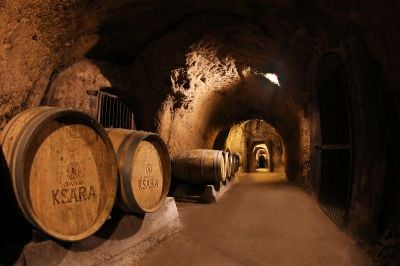
Adyar wines are organic and CCPB certified: No chemicals are used in the vineyards, and sulfite levels are notably low. The result is more natural, easier-to-digest wines that can age for over 15 years. “Respect for nature, health and life,” she summarizes.
This wine is born of monasteries, shaped by land and faith and is focused on the future as much as its roots.
Today, Adyar continues to grow, focusing on innovation in winemaking while preserving the soul, heritage and identity that make it unique.
Adyar's mission is to elevate the Lebanese winemaking flag and reach more markets, a journey that starts in the vineyard and branches out around the globe.
 Israeli army continues explosions in Mansouri, strikes in Nabatieh district