

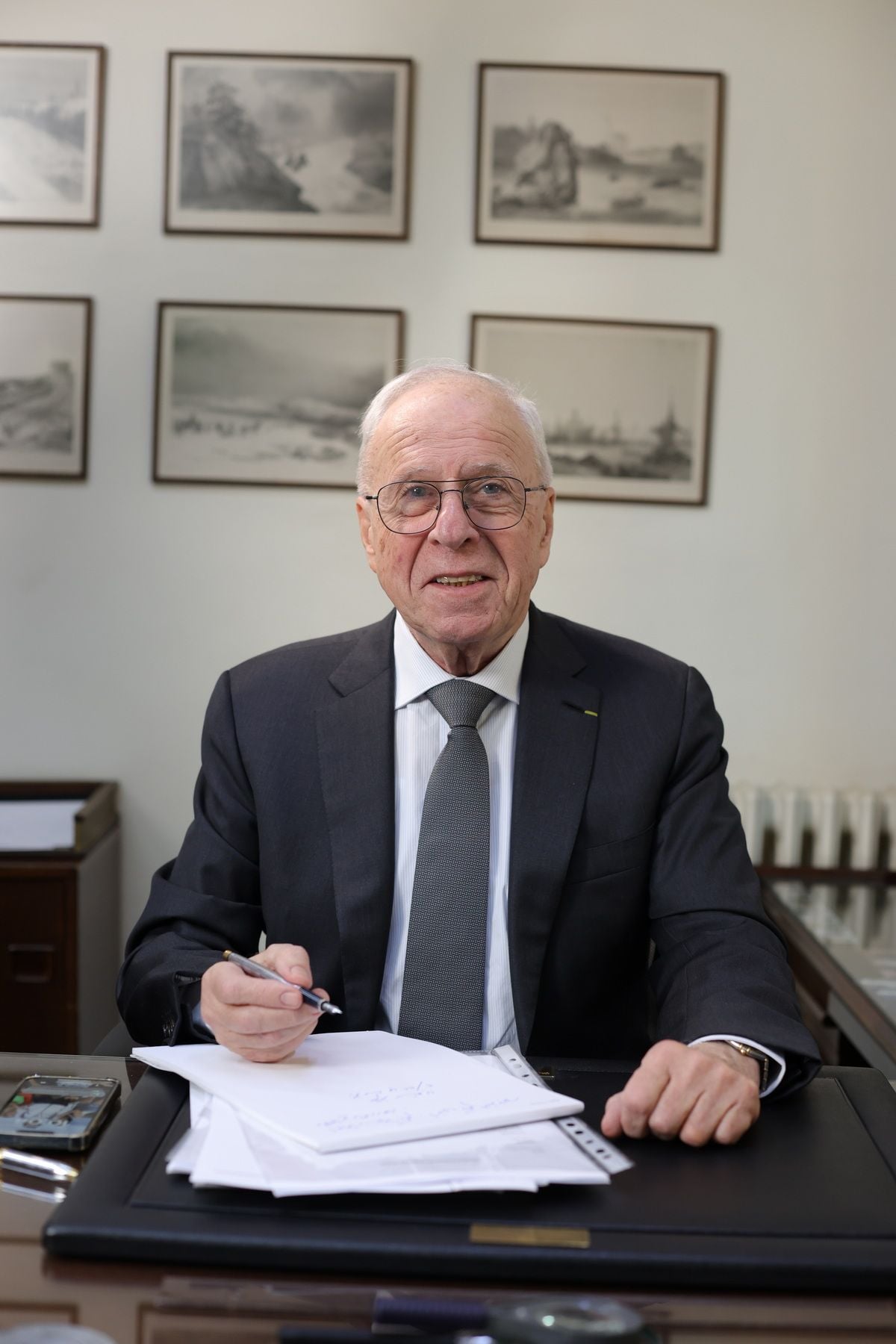
Zafer Chaoui, former president of the Lebanese union of wine producers. Photo provided by Zafer Chaoui.






“At the end of the war in 1992, Lebanon was not a member of the OIV [International Organisation of Vine and Wine], which then had 45 members,” says Zafer Chaoui, former president of the Union Vinicole du Liban, Lebanon’s union of wine producers, right from the outset.
This absence revealed a worrying institutional lag for a country whose wine has long been a cultural and economic heritage. “We had to review all laws and decrees relating to the sector,” he continues.
In fact, back in 1938 under the French mandate, Decree No. 166 already defined agricultural production, but this was repealed in 1983 by a decree-law, mainly to fight against fraud. This situation left the wine sector in significant regulatory uncertainty.
Returning from Europe at the time, Chaoui and other industry professionals alerted the authorities to the issue. “We drew the government’s attention to this sorry state and approached the Ministry of Foreign Affairs, whose minister, Fares Boueiz, took the matter to heart,” he notes.
These efforts enabled Lebanon to find its place in the OIV in 1995, becoming an active member of the international organization.
This international recognition was accompanied by comprehensive work. Robert Tinlot, then director of the OIV, and Pierre Peigneh, married to Lebanese Souad Tabbara and deeply concerned about wine as well as the country, visited Lebanon. Together with the Lebanese side, they drafted regulations for wine, work that would later result in a law governing production and marketing.
It was in this context that the idea of creating an entity to bring together producers emerged — a group capable of representing the sector, promoting quality, and supporting the country’s return to the international wine scene.
This idea materialized in 1997 with the creation of the Union Vinicole du Liban (UVL). At its inception, the organization comprised four founding members: châteaux Musar, Kefraya, Ksara, and Nakad, under the presidency of Serge Hochar, a legendary figure of Lebanese wine.
Today, the very active UVL brings together 25 members and is led by Micheline Touma. Its role has become broader over the years, paralleling the establishment of another major body: the National Institute of Vine and Wine.
This institute, born of close cooperation between the private sector and public institutions, has three permanent members representing the ministries of Agriculture, Industry, and Economy, and was also chaired by Serge Hochar until his death in 2014.
Lebanon’s integration into the OIV was strengthened in 2001 by the signing of a treaty between the Lebanese government and the organization, solidifying the country’s presence as an active member.
In 2020, the OIV was renamed the International Organisation of Vine and Wine, regulating the global wine market, with the exception of the United States, which withdrew about 20 years ago.
Chaoui, president of the institute, remains an active and engaged member of the UVL. “We complement each other,” he explains. “Today, the director general of the Ministry of Agriculture represents Lebanon within the OIV, but we stand alongside him and we see that the current government fully supports us morally, even though financial support remains insufficient.”
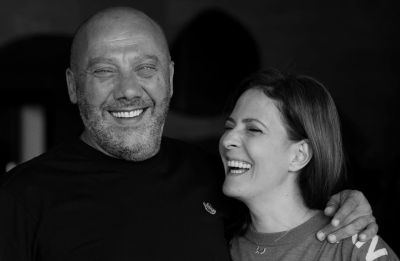
This budgetary constraint is an ongoing challenge. “Everywhere, we lack funds,” acknowledges Chaoui. The UVL’s annual contributions, for instance, do not cover expenses, which compels wineries to personally participate in international events such as Wine Paris or ProWein in Germany.
Still, the UVL’s mission remains clear and constant: bringing all producers together, working on marketing, and examining all proposals, whether they come from Lebanon or abroad. Unlike the institute, only producers who have cellars and produce at least 10,000 bottles a year can join the UVL.
As a group of professionals working in the sector’s collective interest, the UVL has managed, alone or with help from the Agriculture Ministry, to organize events in France, Germany, the United States, Great Britain, and Lebanon. It has also brought in specialized journalists to help introduce Lebanese wine to the world.
The UVL continues to work with the OIV, which had encouraged the creation of the institute. “Ultimately, the institute is a private entity officially recognized as serving the public interest,” Chaoui notes.
“Lebanon’s reputation as a wine producer has become considerable, to say the least,” he concludes, despite the lack of official financial support since 2019 and in spite of moral backing from the current ministry. Thanks to the UVL and the institute, Lebanese wine has regained international visibility, reaffirming Lebanon’s historic and cultural role on the global wine stage.