


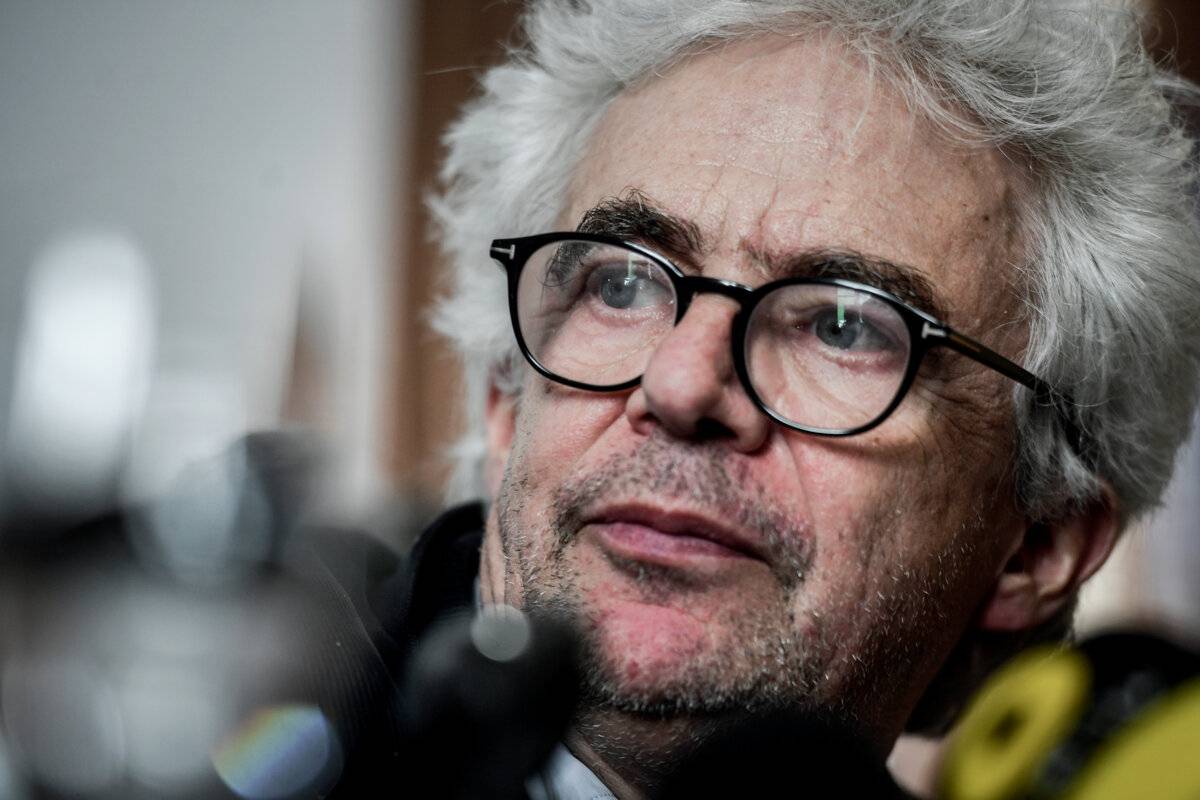
Lawyer William Bourdon, on Feb. 14, 2020, in Portugal. (Credit: Patricia de Melo Moreira/AFP)






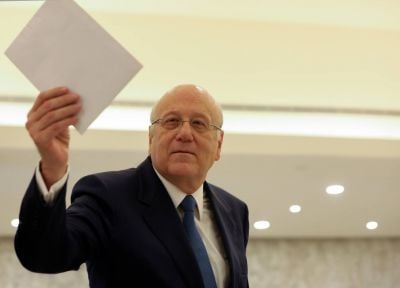
According to our information, the French National Financial Prosecutor's Office has opened an investigation into corruption and money laundering involving former Prime Minister Najib Mikati and his family. Proceedings were initiated following actions by the Sherpa association and the collective of victims of fraudulent and criminal practices in Lebanon.
Catch up, here
EXCLUSIVE: French courts investigate Najib Mikati for corruption and money laundering

William Bourdon, founder of Sherpa and representative of the plaintiffs alongside Vincent Brengarth, spoke to L’Orient-Le Jour.
How significant is the acceptance of this complaint by the National Financial Prosecutor's Office?
This is a decisive step in the fight against impunity for those who, for years, have seized Lebanon’s public resources and undermined the rule of law.
This complaint is particularly significant because it targets a former prime minister — no less — a central figure in the Lebanese oligarchy.
Furthermore, it follows the opening in France of a judicial investigation that led to numerous indictments targeting the Salameh family and their accomplices. Indeed, the Salameh case is moving forward: we hope for a resolution and the closing of the investigation in 2026.
Why do you think it was accepted?
The National Financial Prosecutor’s Office (PNF) took its time examining the case: a complaint was filed last year and completed this year. This timeframe can be explained by the necessary verifications. Given what’s at stake and who is targeted — beyond Mikati, it’s an entire network — there can be no doubt about the strength and quality of the evidence we submitted, which led to the opening of an investigation.
It’s the result of considerable work: I salute the dedication of my law firm’s teams, of Sherpa and of the collective of victims of fraudulent and criminal practices in Lebanon.
However, we shouldn’t expect French justice to clean out all the Augean stables. But in the face of attempts by the system’s godfathers to undermine the process initiated by courageous public officials, this decision brings new hope to the Lebanese people. We are pleased about this.
What are the main elements of this complaint?
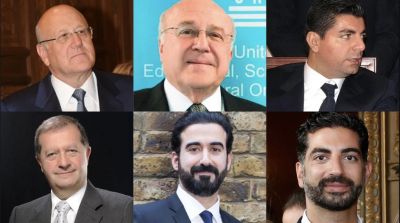
I won’t go into detail, as that would be counterproductive. An initial complaint targeted ill-acquired assets in France involving the “family”— brother, children, and nephews.
The supplementary complaint notably describes how Najib Mikati and his brother increased their stake in Bank Audi’s capital to 14 percent, giving him a significant share in Bank Audi in France, which is 99 percent owned by the parent company.
We developed a legal argument based on jurisprudence and international law. The PNF has, naturally, paid attention to the almost systematic use of offshore companies by the Mikati family, partly in connection with other families.
What motivates the opening of the investigation?
The PNF does not need to publicly justify its decision. Evidently, it reflects consideration of the quality and strength of the evidence provided, sufficient to cross the threshold of presumption and justify opening an investigation for extremely serious offenses.
In these kinds of cases, we often hear that a billionaire wouldn’t need to commit this kind of crime. But if wealth were enough to ensure virtue, humanity would have figured that out long ago…
What happens next?
The PNF has assigned the investigation to the same department that has handled the Salameh family case for years. Investigators are already familiar with the workings of various offshore structures.
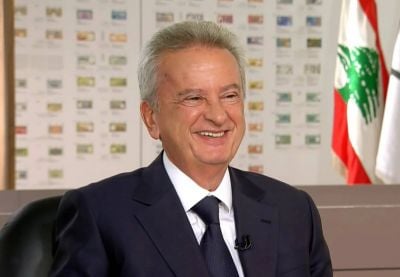
There are connections between the two families [Mikati–Salameh]: favors, illicit financial flows, abuses of power committed together. In this case, Riad Salameh, former chief financial officer of Lebanon's central bank, took — or had taken — certain decisions favorable to the Mikati family.
But it doesn’t end there: other leading figures will inevitably be subject to investigations in France or elsewhere. A major step has just been taken.
What is Bank Audi’s role in this case?
Bank Audi belongs to the constellation of Lebanese banks. It’s an essential financial player, with its French subsidiary serving as a financial lifeline for the group.
There are reasons to believe that some of its executives, in Lebanon and France, may have served a logic of predation and embezzlement.
How long could the investigation last?
It’s hard to predict. These individuals don’t give in easily. Recall the Salameh case: a flurry of appeals against indictments and seizures — all unsuccessful. They will try again, using every delaying tactic to postpone the inevitable: answering one day before French justice, in hopes Lebanese justice can regain its long-hindered prerogatives.
I would remind you that right after his appointment as prime minister, a compliant Lebanese judge ordered the dismissal of a complaint against Mikati.
Moreover, Monaco dismissed an investigation, despite it being well-founded, after Lebanese justice at the time sabotaged the mutual legal assistance request. There are numerous links between the Mikati family and the principality. We hope that the opening of this investigation will help galvanize Monaco’s judicial authorities, recently criticized for their lack of vigor in fighting dirty money.
I want to applaud the independence of French magistrates, without which the progress we see would have been impossible. The lesson: there is no effective fight against corruption without the independence of judges and investigators.
This interview was originally published in French in L'Orient-Le Jour

