





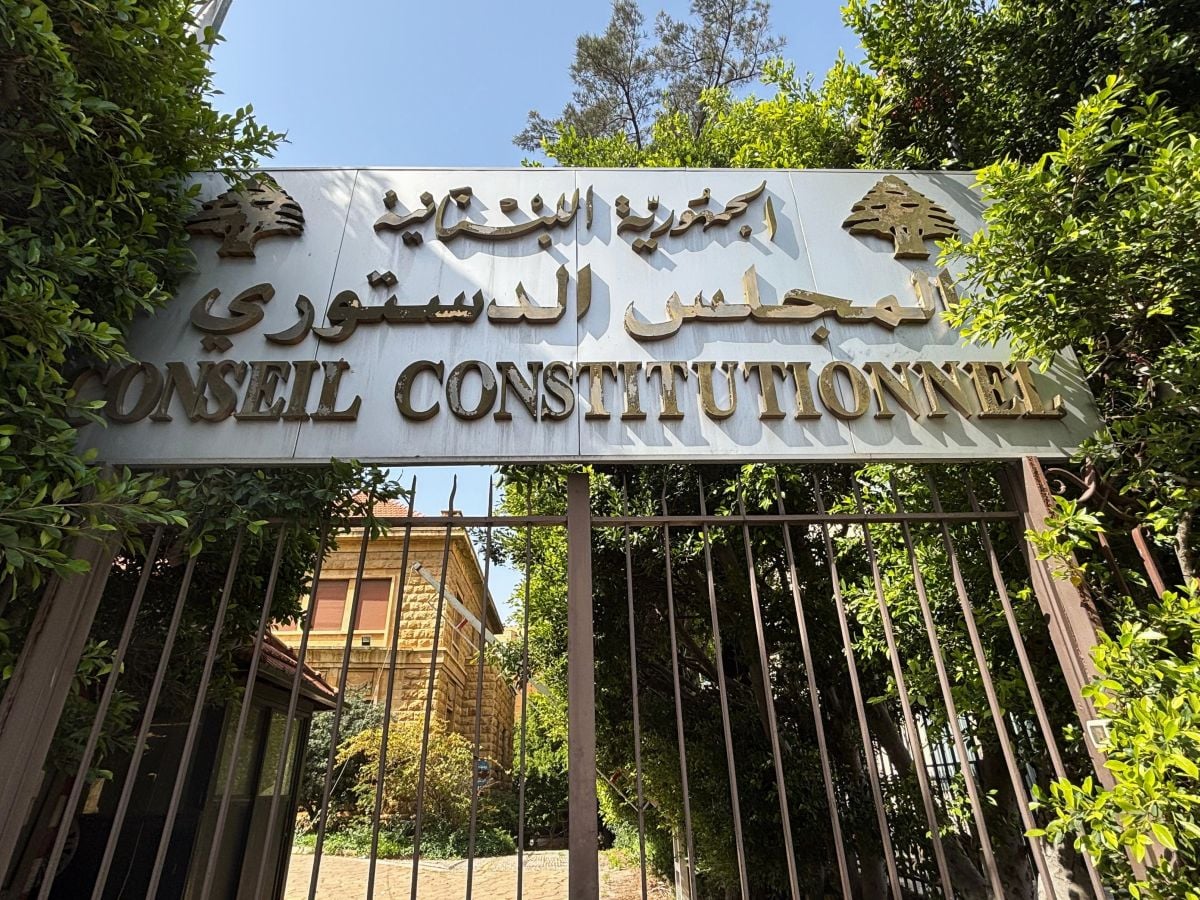
The entrance of the Constitutional Council in Hadath on March 12, 2026. (Credit: Philippe Hage Boutros/L'Orient-Le Jour)






BEIRUT — The Free Patriotic Movement's (FPM) parliamentary bloc, “Strong Lebanon,” filed an appeal Wednesday with the Constitutional Council against the general amnesty law, passed by Parliament on Aug. 12 and recently signed into law by President Joseph Aoun.
“We are challenging the general amnesty law for three reasons: justice, the victims — whether military personnel or victims of crimes — and (...) Islamist detainees who have not been tried,” Gebran Bassil, head of the FPM, said from the Constitutional Council after the appeal was filed.
Bassil did not specify the grounds for the appeal. “The Constitution provides for general amnesty, but it must apply to a specific situation. In this case, a particular situation was used to free criminals from all responsibility,” he said.
The Constitutional Council must rule on the admissibility of the appeal within 15 days. It then could decide to suspend the law’s effects while ruling on its merits.
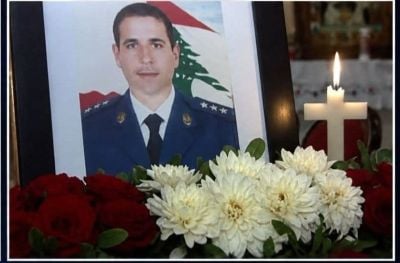
During the session, Prime Minister Nawaf Salam, who said he was the only person authorized to speak on behalf of the government, refused to allow Defense Minister Michel Menassah to address Parliament. Menassah’s speech was intended to oppose granting amnesty to people convicted of killing soldiers, including Salafist Sheikh Ahmad al-Assir, who was involved in deadly clashes with the Lebanese Army in Abra in 2013 and is expected to be released in 2028 under the new law.
Months of discussions were needed to reach a version of the law that won consensus within the Sunni community, which had been divided over the issue of Islamist detainees.
“We are seeking the interests of all, and our goal is to amend this law so that it applies only to the limited number of Islamist detainees who have not been tried. Defending the army is a duty. The greatest crime that can be committed is to make sectarian remarks, because the majority of the martyrs are Sunnis. The least we can do is defend the military institution and its families,” Bassil said.
“To those who criticize us, we say: you were in positions of responsibility, as prime ministers and justice ministers, and you should have remedied this situation,” he added.

 7 p.m. recap: Iran warns Egypt, Israeli soldiers vote in south Lebanon, Haret Hreik responds to Kataeb