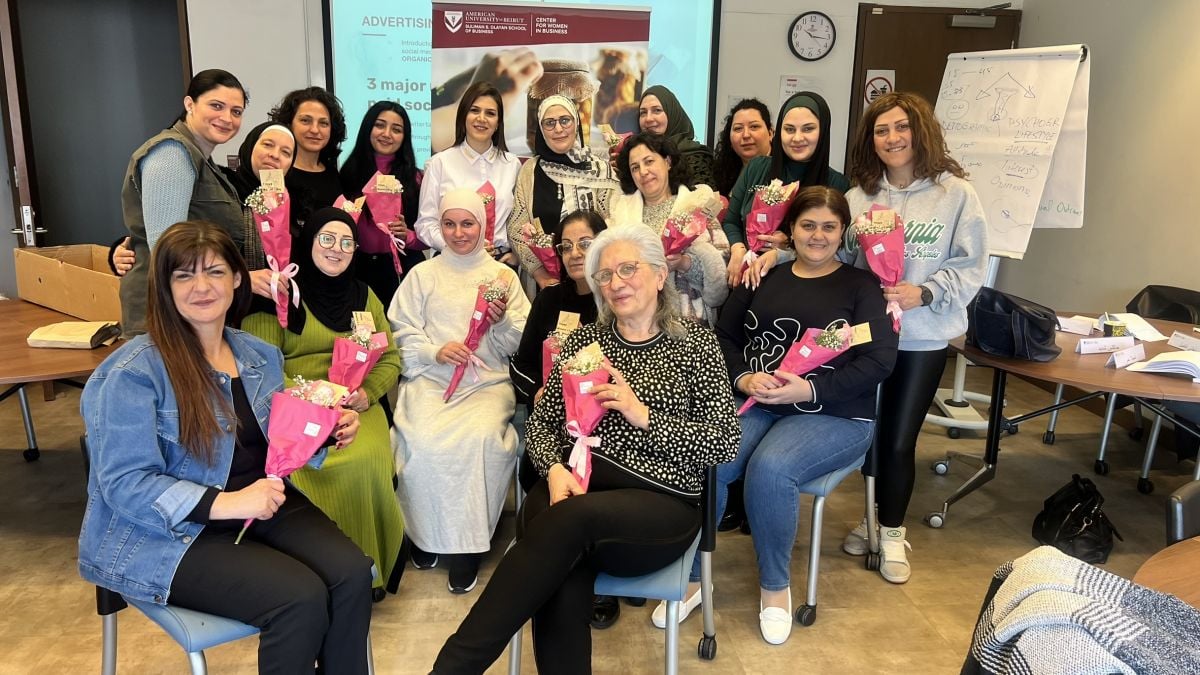
The 20 participants were selected from among 600 applications received in one week, in response to the call launched in September 2024 by the Center for Women in Business. (Credit: AUB)






The Center for Women in Business at the Suliman S. Olayan School of Business (OSB) at the American University of Beirut (AUB) awarded diplomas in August to 20 women entrepreneurs working in the informal sector, following their participation in the first edition of the Qudwa program, which took place over eight months on campus.
These women, who came from Tripoli, Hermel, the Bekaa Valley and the South, hailed from various fields and sold handmade local products, having launched their businesses nearly five years ago.
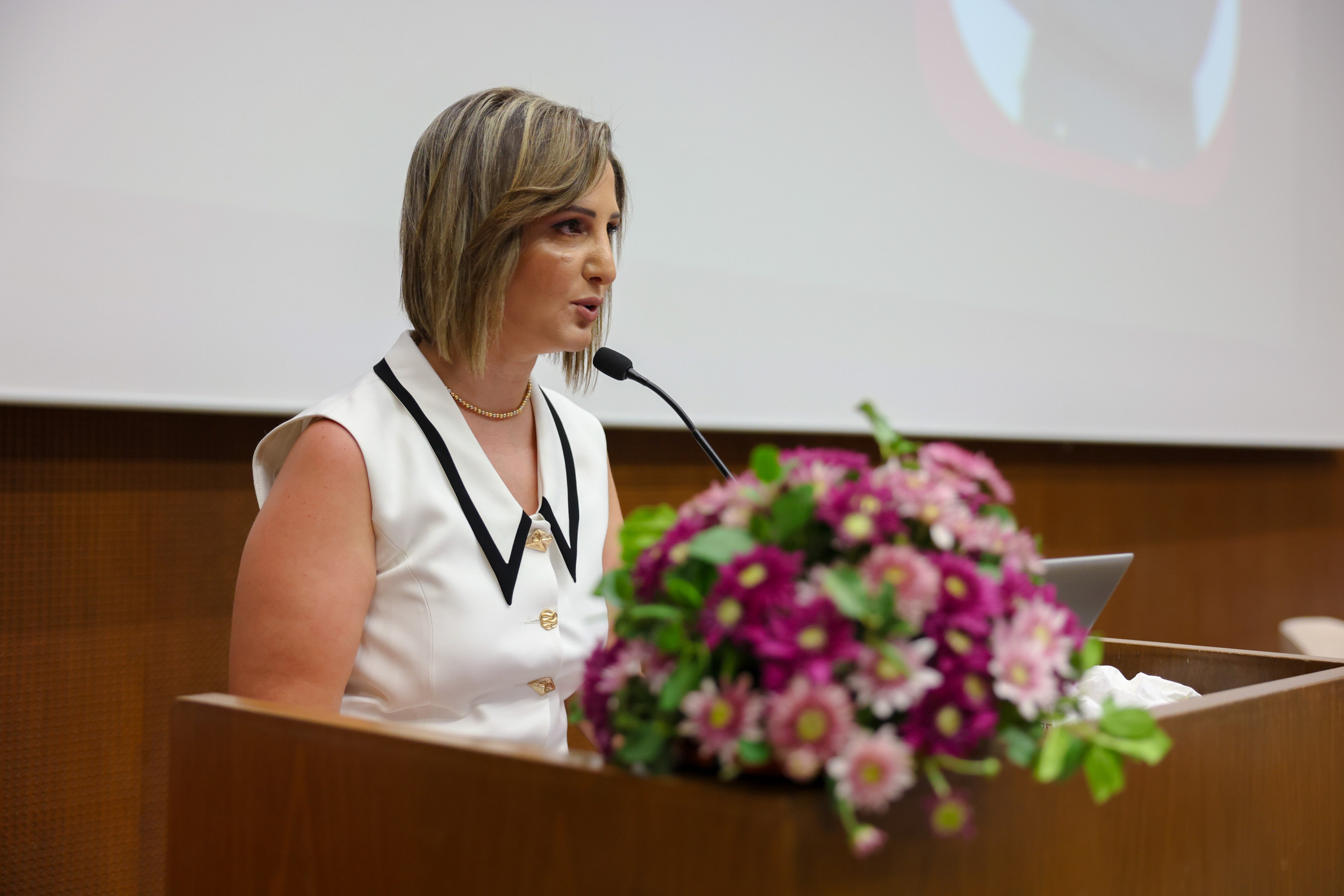
The participants were selected from among 600 applications received in a single week, in response to the call launched in September 2024 by the Center for Women in Business to vulnerable communities. "This strong response confirmed that our approach meets a real need in these communities and that these women are ready to make the most of the learning opportunities offered at OSB," said Nada Khaddage-Soboh, director of the center, whose mission is to strengthen the capacities of women and support them in Lebanon and across the MENA region.
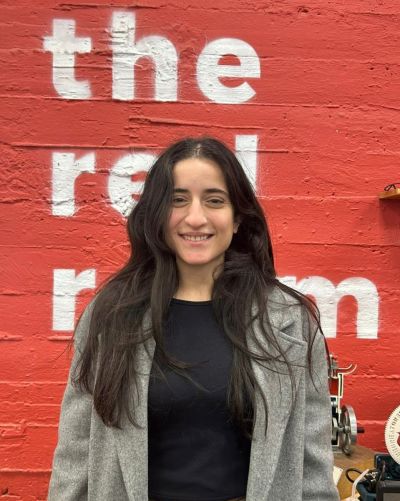
She explained that despite the challenges Lebanon has faced since 2019, women in the informal sector "have managed to preserve local traditions and provide for their families" by creating small businesses and contributing to their households' economic stability. "They must have the opportunity to succeed, thrive, and earn more. One way to achieve this is by moving from the informal to the formal sector," she added.
Therefore, one of the center's goals is to provide these women with "appropriate tools and strong networks to amplify the impact of their work and sustain the initiatives they have launched, often relying only on their own know-how. This is what inspired us to create the Qudwa program," she said.
Designed in a personalized way, the program addresses different needs and challenges faced by women in the informal sector. Khaddage-Soboh explained that these entrepreneurs often managed their activities without mastering business management, branding, or pricing concepts.
They also faced a "lack of visibility and market access, as well as the absence of strong support networks." "These obstacles isolate them in their entrepreneurial journey. That's why the training was tailor-made, addressing these needs. What matters to us through Qudwa is the lasting impact we leave. We want it to be a truly transformative experience," affirmed Khaddage-Soboh.
Five professionalizing modules
The journey of the selected entrepreneurs took a new turn thanks to the modules delivered as part of the Qudwa program, which allowed them to reach new customers and increase their sales. For each, the challenge was significant: to equip her small business with the professional criteria essential for success. This included creating and communicating brand identity, legalizing and registering the business, mastering online sales, learning social media strategies and understanding the fundamentals of finance and pricing.
Thus, they learned "that it is essential to take into account the duration of production processes, the cost of resources and effort exerted and that they should value their time as much as their work," stressed Khaddage-Soboh.
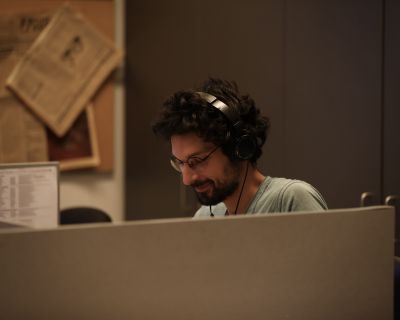
Similarly, through the marketing workshop, participants learned how to take photos and publish them online. A participant who sells pastries saw her number of clients increase thanks to better social media handling. Previously, she sold only in western Bekaa; today, her products reach Beirut and Metn.
"We know these women can't afford specialized digital marketing agencies, so we wanted to equip them to do it themselves," noted the director. Another participant from the South, a soap producer, officially launched her online platform and began to expand her market thanks to the training. "Today, all have online storefronts with active social media pages," she added.
This was a big step for these women, most of whom lacked digital skills. "The program addressed this difficulty by introducing simple techniques, including the use of artificial intelligence, to support their learning."
Meanwhile, while the participants hesitated to officially register their activity, fearing administrative implications or doubting the future profitability, more than five have started the formalization process after completing legal training. "We gave women the possibility to exercise their legal right to create and manage businesses independently, breaking with the tradition of issuing such documents in the name of male family members," continued Khaddage-Soboh.
Thanks to this support, they are beginning to adopt a real business owner mindset.
Networking and mentoring, drivers of participants' progress
Additionally, peer-to-peer learning, networking, and a personalized mentoring system enabled entrepreneurs to build confidence and concretely advance their projects.
Qudwa has contributed, indeed, to building a supportive network of women. Although from different regions of the country, they left the program as a close-knit group, sharing experiences and common issues. They continue to communicate, learning from each other. "The dynamic of the program strengthened their mutual support and collective capacity for problem-solving. Participants realized they were not alone in their entrepreneurial journey. They have become role models for their families, friends, and communities, in turn inspiring other women around them," said Khaddage-Soboh.
As for mentoring, it put the participants in touch with experienced female leaders throughout the training. By discovering the journeys and challenges of these successful businesswomen, participants realized that their difficulties were similar, but above all, that they can now, like their mentors, achieve their own success.
For Khaddage-Soboh, the mission of the Qudwa program goes beyond training the participants. "Supporting these initiatives is not just about accompanying these women as individuals. It's also about strengthening their households' resilience, revitalizing local economies, preserving cultural identities and transmitting values, beyond the purely economic aspect. We truly want these women to feel like agents of change, and we also seek to raise their families' awareness of the essential role they play in the sustainability and stability of their homes."
The director hopes to continue this experience by organizing a second edition next year. "We are committed to developing Qudwa into a recurrent and sustainable program, capable of reaching more regions and more women," she said, also hoping to "expand access to funding, increase the program's impact and reinforce advocacy on public policy" in the next step.
This article was translated from L'Orient-Le Jour.