






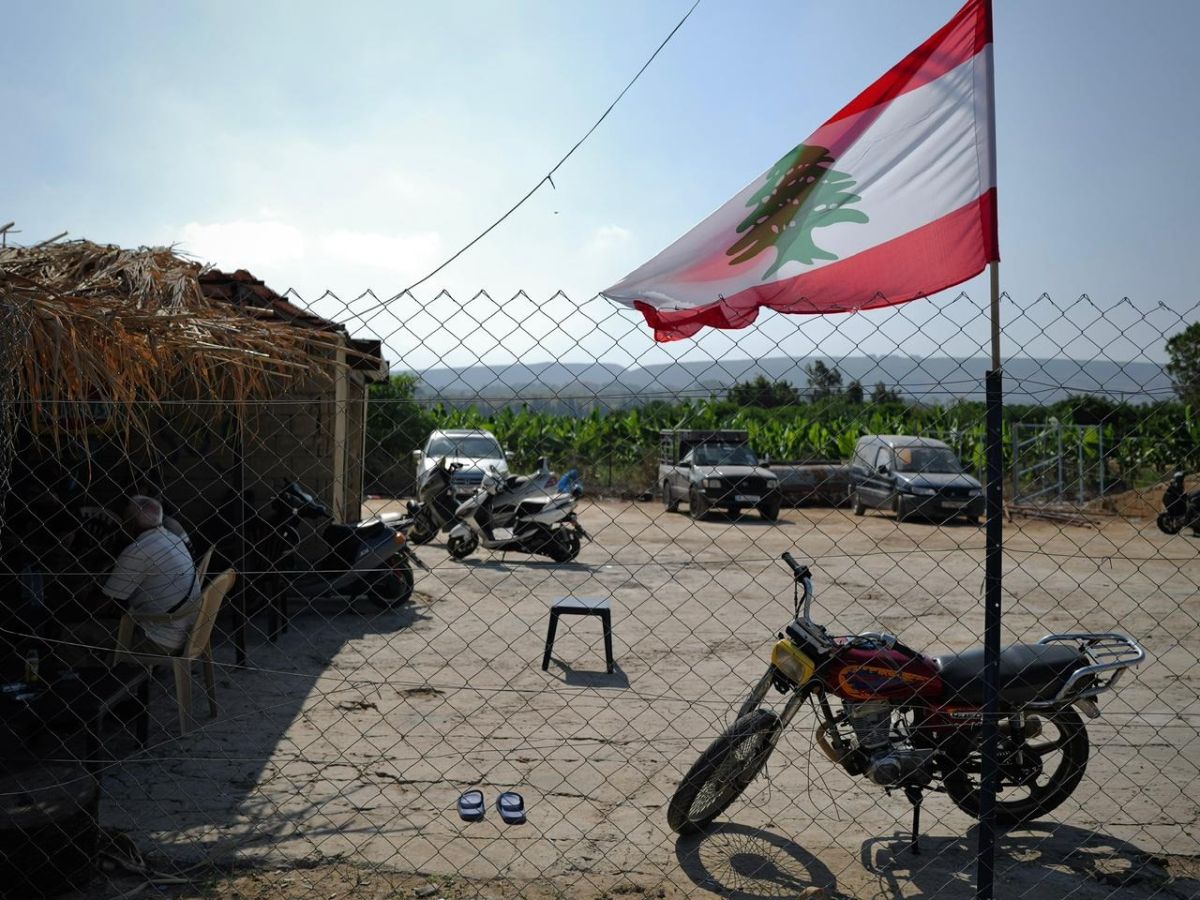
Inhabitants of Mansouri, in the Sour district, watch their village being bombed by the Israeli army on Aug. 26, 2026, from a café on the coastal road of Qleileh. (Credit: Matthieu Karam/L’Orient-Le Jour)






American diplomacy dispelled any ambiguity, insisting Saturday night that only the Lebanese government has the authority to negotiate Israel's withdrawal from southern Lebanon and the end of Israel's attacks. This clarification came after several statements from Washington in recent weeks suggested the Trump administration might open dialogue with Hezbollah.
According to a State Department spokesperson cited by the embassy in Beirut, the U.S. reaffirmed that it would work to "try to bridge the differences" when the militia-party decides it is ready to lay down its arms.
The framework agreement between Lebanon and Israel, under U.S. sponsorship, "clearly states that the Lebanese government is the only legitimate interlocutor for discussions on Lebanon's future and on behalf of the Lebanese people," the embassy wrote.
For Lebanon to be "safe and sovereign," Hezbollah must give up its arms, the statement insisted, echoing recent comments from U.S. ambassador Michel Issa.
During a tour over the past week, Issa insisted that the party must hand over its arsenal before Israeli strikes, which are ongoing in the South, can end, saying the ball is in Hezbollah's court.
Hezbollah 'just takes its orders from Iran'
When the latter "decides it is ready" to disarm, "it can approach the Lebanese state, with which we are already in dialogue," and make it known. Only once this decision has been made can Washington "attempt to bridge the differences," the statement continued.
However, American diplomacy criticized, "Hezbollah still does not want to speak to the Lebanese state, to us, or to Israel, because it just takes its orders from Iran." It also hammered home that "it is time for Hezbollah to do what is in the interest of Lebanon and the Lebanese people."
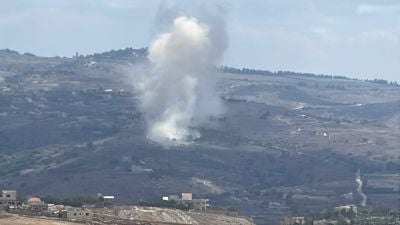
The framework agreement reached on June 26 notably provides for the establishment of "pilot zones" for the deployment of the Lebanese Army, which is tasked with retrieving Hezbollah's weapons and infrastructure in those zones.
In practice, only one of the two zones planned since that date, in Zawtar Gharbieh, where the Israelis made occasional incursions but maintained no fixed post, has seen troops reestablish positions.
Since then, despite several rounds of talks, notably in Rome over the past two months, the negotiations have not resulted in the establishment of new zones.
Israel criticizes what it claims to be the Lebanese Army's lack of will to carry out disarmament, and the parties disagree over which countries might make up the force overseeing it.