





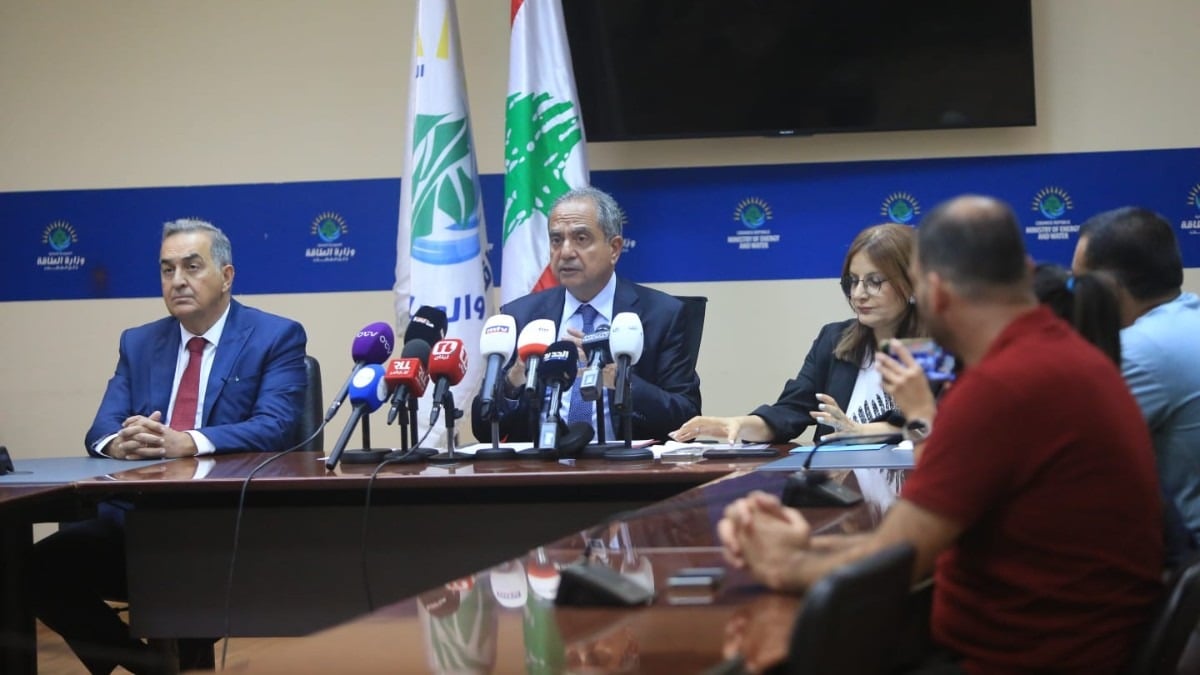
Energy Minister Joe Saddi during the press conference for the launch of the audit of floating power stations on the electricity ship-plants (2012-2017), on Aug. 21, 2026. (Photo: NNA)






Energy Minister Joe Saddi announced Friday at a press conference the launch of a technical, financial, and legal audit regarding the market for power-generation ships, as well as the fuel import contracts needed for their operation. The audit covers the entire deployment period, from 2012 to 2021, bearing in mind that the latest rental contracts — which have long been at the center of controversy over their viability — were signed in 2017 before being extended, according to details provided by the minister to L’Orient-Le Jour.
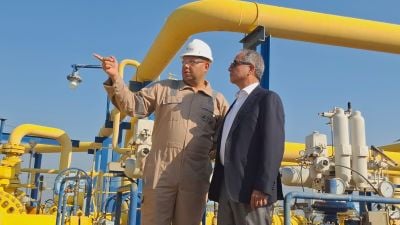
During the press conference, held in the presence of Électricité du Liban (EDL) Director General Kamal Hayek and acting Director General of Investments Fadia Hayek, the minister specifically announced the launch of a call for bids to select a firm to conduct the audit. The opening of the bids is scheduled for Oct. 15.
He added that he took this initiative “to distance the file from political divisions and to shed light on the fate of the public funds of the Treasury and the Lebanese people.” Assuring that this audit would not be the last, Saddi said Friday that “it is the Lebanese people's right to know how these funds were spent and whether there was any waste or corruption in this matter, because the state we aspire to build will be based on the principles of transparency, good governance, sound management, and accountability.”
The Turkish power barges were deployed in Lebanon starting in 2012, under the tenure of MP and Free Patriotic Movement (FPM) leader Gebran Bassil at the Energy Ministry, a portfolio long held by the party before it passed to their Christian rivals, the Lebanese Forces, after the formation of Nawaf Salam’s government in early 2025.
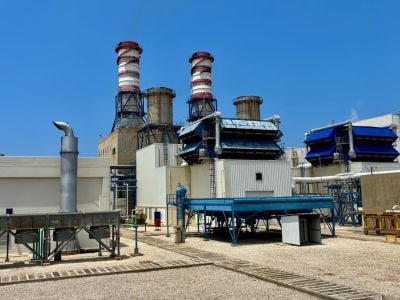
Three barges were thus deployed in Lebanon, two of them for nearly ten years: the Fatmagül Sultan in Zouk, with an installed capacity of about 200 MW; the Orhan Bey in Jiyeh, with a similar capacity; and finally the Esra Sultan, a third vessel that arrived in 2018, which had a higher technical capacity of about 235 MW, of which approximately 200 MW were made available to Lebanon. It was reportedly deployed for free, a point the audit will seek to confirm.
A rate 'always higher than EDL'
The lease contracts with the Turkish company Karadeniz — which is represented in Lebanon by its subsidiary Karpowership — were often the subject of suspicions of waste or corruption, allegations that the FPM naturally denied.
In response to a question, the energy minister revisited a comparison made by Bassil in defending his choice of power barges: Bassil had often argued that the kilowatt produced by the barges did not exceed 14 cents, while EDL’s rate was 27 cents and that of private generators 55. “The rate for the power barges was not 14 cents as he claimed, but was variable and always higher than EDL’s,” Saddi said, specifying that EDL’s documents prove it.
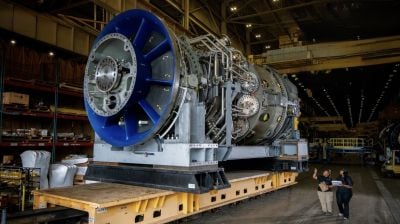
“In 2014, the kilowatt of electricity produced on the barges cost 19.71 cents, compared to 17.02 for Deir Ammar and Zahrani, our two largest plants. In 2015, the rate was 13 cents for the barges — compared to 10.51 for Deir Ammar and 11.1 for Zahrani. In addition, the cost of leasing these power barges for three years was higher than that of buying them outright,” the minister added. In his view, “when Bassil compares the production cost to the rate, it’s like comparing ‘the price of fabric to the price of a suit,’ because the rate includes production, transmission, distribution and losses.”
“If we had assumed at the time that the kilowatt price from the power barges was 14 cents, the EDL rate was 9 cents. Yet, to increase production by 20% — which was the capacity of the power barges — we imposed losses amounting to millions of dollars on EDL. In reality, those losses came out of the Lebanese people’s pockets and from depositors’ funds.” He concluded, “I will not return to this matter, which is now in the hands of the judicial police.”
