





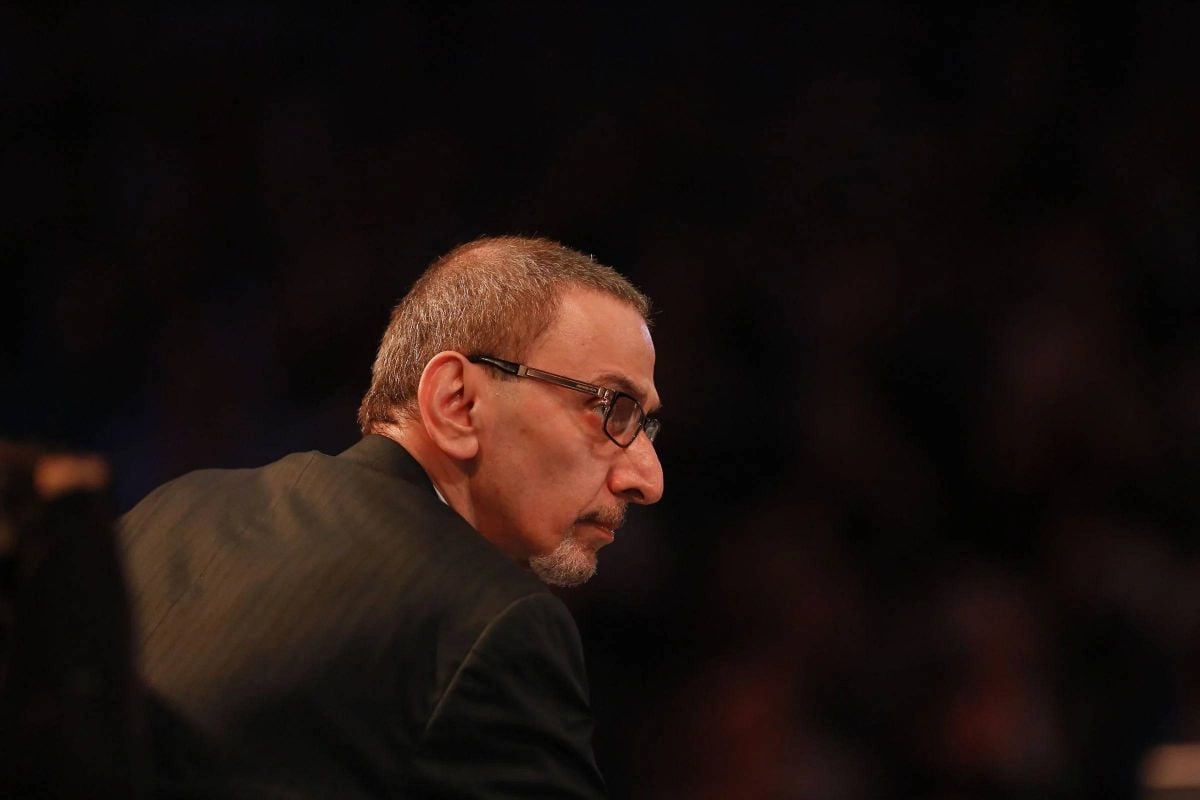
Ziad Rahbani on stage at the Beiteddine International Festival, at the Beiteddine Palace, on July 12, 2018. (Credit: AFP/Marwan Tahtah)






With less than three weeks to go until the first anniversary of Ziad Rahbani’s death on July 26, his sister Reema Rahbani has reignited tensions surrounding the composer’s legacy by publishing a lengthy statement on Facebook, which has been widely shared and commented on.
In this particularly scathing post, the daughter of Fairuz and Assi Rahbani rejects any initiative aimed at paying tribute to the musician, sparking a heated debate on social media.
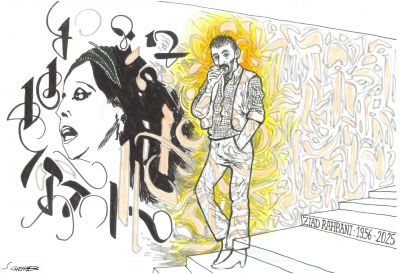
“No tributes to Ziad whatsoever,” she writes right at the outset. She says this stance is based not on a desire to claim his memory for herself, but on respect for what she describes as her brother’s last wishes.
“It’s not because I want to monopolize Ziad. It’s simply the right thing to do. And if there’s one thing to do in this life, it’s to follow the right path with honesty and loyalty. That was also Ziad’s wish. If you truly wish to respect the person you claim to honor, start by respecting his wishes.”
Reema then turns her attention to the concerts, festivals, and other events organized in memory of the composer, criticizing reinterpretations which, she claims, “disfigure,” “distort,” or “appropriate” his work.
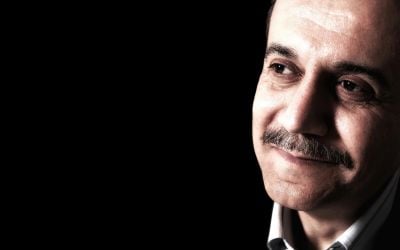
“Ziad cannot be honored by disfiguring his music, distorting it or treating it as one pleases,” she writes. She points out that her brother was extremely exacting when it came to his work, even going so far as to destroy certain compositions himself when he felt they were not up to standard.
“Imagine what he would say today if he heard what some people are doing with his music,” she asks.
Her text also takes on a political dimension when she refers to her brother’s communist convictions. She describes him as “a true communist,” faithful to his principles in his actions as much as in his ideas. It is in the name of this loyalty that she finds it unacceptable for certain tributes to be organized at great expense.

“How can one pay tribute to a man like that with tickets costing $60, $80, or $100?” she exclaims indignantly. She points out that Ziad Rahbani personally negotiated ticket prices and even went so far as to reduce his own fee to ensure that the shows remained accessible to as many people as possible.
Reema also reserves her criticism for those who speak out today to talk about Ziad Rahbani. In her view, many “never understood him” and are primarily seeking to put themselves in the spotlight.
“Ziad doesn’t need anyone to speak about him. His work speaks for him,” she writes, echoing a phrase that Fairuz had once used about Assi Rahbani. She asserts that younger generations today understand the artist far better than “those who claim to pay tribute to him.”
Believing that Ziad Rahbani already holds a special place in the hearts of the Lebanese people, she asserts that he needs neither to be introduced nor to be celebrated.

“It is not Ziad who needs you. It is you who need Ziad,” she writes, before adding that “the public’s love already belongs to him,” recalling the emotional scenes that accompanied his funeral, particularly on Hamra Street, where, she says, “people mourned him in silence, away from the cameras.”
For Fairuz’s daughter, the only acceptable tribute is to broadcast “the original works in their original version, and in silence.” She accepts no initiatives other than those that might be organized by school and university students “in their schools and universities, and nothing else.”
The post immediately sparked mixed reactions. Many internet users welcomed an approach they considered faithful to Ziad Rahbani’s artistic integrity and convictions.

Others, by contrast, accused Reema of seeking to exercise exclusive control over his legacy — a criticism regularly levelled at her regarding the management of Fairuz’s archives and public image.
Beyond the controversy, this new stance reignites a recurring debate: that of the transmission of the Rahbani brothers’ work, the moral rights of their beneficiaries, and the ever-delicate balance between the protection of an artistic legacy and its appropriation.
This article originally appeared in French on L'Orient-Le Jour and was translated by Joelle El Khoury.

 7 p.m. recap: Iran warns Egypt, Israeli soldiers vote in south Lebanon, Haret Hreik responds to Kataeb