

Search
Search

EXPORTS

Saudi export thaw could offer Lebanon a timely economic boost

The ban had been imposed in 2021 after years of tensions building up between Beirut and Riyadh “over Hezbollah’s grip on Lebanese decision-making.”

Saudi export thaw could offer Lebanon a timely economic boost

Saudi Foreign Minister Faisal bin Farhan received by Lebanese President Joseph Aoun in Baabda, Jan. 23, 2025. (Credit: Presidency Facebook account)

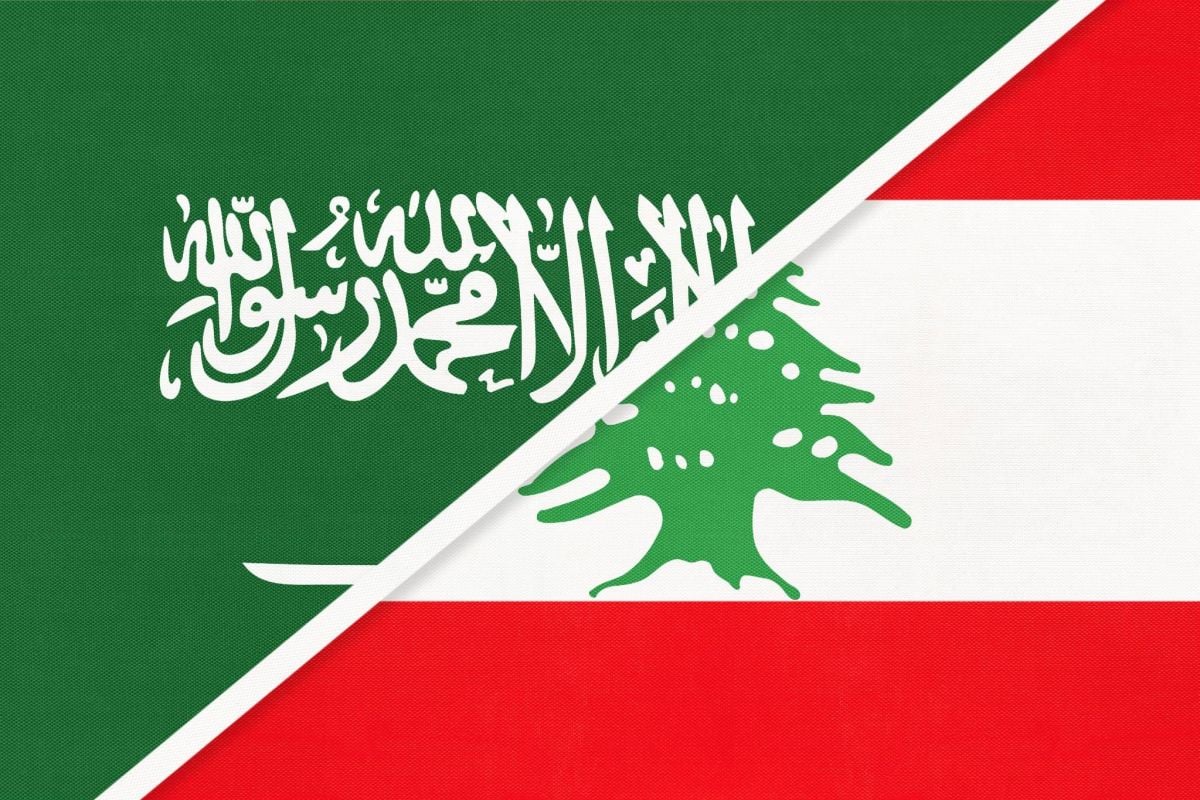
BEIRUT — After years of diplomatic strain and a near-total collapse in trade ties, Saudi Arabia’s decision Wednesday to lift its ban on Lebanese exports marked a major turning point in the two countries’ relations.

The move carries both economic and political weight. “It is a signal of confidence,” said Rabih al-Amine, president of the Lebanese Executive Council (LEC).

The reopening of the Saudi market gives Lebanese exporters renewed access to what was historically one of the country’s most important destinations for agricultural and industrial goods, and a vital source of hard currency, “at a time when the economy needs both badly,” he added. Lebanon has been mired in an economic crisis for more than six years, and in wars and fragile cease-fires between Israel and Hezbollah for three.

Saudi Arabia was among Lebanon’s top export markets, its third-largest in 2020, and a key transit route to the rest of the Gulf. Since the ban in 2021, farmers, industrialists, exporters, and transport companies have been deprived of one of their most valuable outlets.

The export halt was triggered by Saudi authorities seizing millions of Captagon pills hidden in a shipment of agricultural products from Lebanon. Hezbollah and Syria, under the Assad regime, were believed to be key producers of Captagon, a highly addictive, amphetamine-type stimulant.

According to Amine, the embargo also reflected the kingdom’s “deeper concerns over Hezbollah’s grip on Lebanese decision-making and the absence of a state able to control its own borders and exports,” at the time.

The restrictions were later widened, blocking not only the entry of Lebanese goods into Saudi Arabia but also their transit through its territory. Riyadh also barred its nationals from traveling to Lebanon that same year, a measure that remains in force.

‘An entry visa to the Gulf’

According to customs data, Lebanese exports to Saudi Arabia had already declined sharply before the ban, falling from nearly $454 million in 2012 to $230 million in 2020, a drop of almost 50%, as Lebanon’s relationship with the kingdom grew increasingly strained since 2011 by Hezbollah’s involvement in the wars in Syria and Yemen.

In 2020, industrial goods accounted for about half of Lebanon’s exports to the kingdom, while fruits and vegetables made up 51%. “We had roughly 200 products or sub-products across major categories that we exported to Saudi Arabia,” Industry Minister Joe Issa al-Khoury told L’Orient Today. “We lost all of it for five years.”

The Saudi decision not only reopens a major destination market but could also restore a land corridor to the Gulf. With regional tensions raising concerns over possible disruptions in the Strait of Hormuz, Issa al-Khoury said Saudi territory could once again allow Lebanese trucks to reach markets such as the UAE, Qatar, and other Gulf countries.

Issa al-Khoury said Lebanon understood the reasons behind Riyadh’s initial decision. “The Saudis were concerned for their society. We were under the control of groups that were exporting banned and harmful substances,” while the Lebanese government was unable to control its border.

He said the Lebanese state has since shown it was handling the issue seriously, citing the dismantling of Captagon factories, the destruction of drug stocks, and tighter border controls.

The decision also sends a strong message of support to the Lebanese government, the minister added. “It is a way of helping us redevelop the industrial sector, creating jobs and bringing money into the country. It is also a form of financial support.”

Farmers in the Bekaa and the South (part of which, around 6% of Lebanese territory, is under Israeli occupation) are expected to be among the first beneficiaries. But the effects would ripple across the entire export ecosystem, reviving parts of the logistics chain, from refrigerated transport and packaging to small exporters, which had collapsed over the past five years, Amine said.

“It re-anchors Lebanon in the Gulf economic space and reopens a psychological door, because Saudi confidence is usually followed by other Gulf countries, investors, and, in time, tourism and capital flows,” he said.

Saudi Arabia’s economy has expanded significantly since 2021, meaning Lebanon missed years of potential export growth, Economy and Trade Minister Amer Bisat told L’Orient Today.

“Right now, this kind of revenue generation is extremely important,” Bisat said. “At a time of recession, being able to find new markets and new growth channels with a powerful and vast country is crucial.”

Bisat said 22 bilateral agreements — covering sectors including finance, agriculture, and security — have been frozen since 2017, and that “Lebanese officials are seeking to accelerate their signature and implementation.”

Charles Arbid, president of the Economic and Social Council, described the Saudi decision as “a game changer” for Lebanon. “This is an entry visa, to many other sectors and to the beginning of a return to normal relations,” Arbid said.

Arbid said Lebanon should not limit its ambitions to merchandise exports, arguing that the reopening could also create opportunities in services, IT, and other sectors that are not always fully captured in official trade figures. The reopening, he added, could also help attract Saudi and Lebanese investment and encourage joint ventures with Lebanese companies.

‘The start of a process, not its conclusion’

In light of the decision, the Lebanese government is preparing its next steps. Issa al-Khoury said Prime Minister Nawaf Salam called a meeting at the Grand Serail on Friday with the ministers of agriculture, economy and trade, and industry, along with officials from their teams and representatives of the private sector, to agree on the administrative steps and negotiations needed with the kingdom to put “the decision into effect.”

“This is the start of a process, not its conclusion,” Amine said. “The role of the business community and the diaspora is to turn this political opening into concrete partnerships, matching Saudi capital and Vision 2030 supply-chain needs with Lebanese expertise and production.”

“Saudi Arabia has extended a hand based on confidence in Lebanon’s direction,” he said. “The burden is now on Lebanon to prove that confidence was warranted by sustaining reforms, controlling its borders and exports, and building a state worthy of partnership.”

“The lifting of the ban is not a reward for work already completed,” Amine added. “It is an encouragement to finish it.”

BEIRUT — After years of diplomatic strain and a near-total collapse in trade ties, Saudi Arabia’s decision Wednesday to lift its ban on Lebanese exports marked a major turning point in the two countries’ relations.The move carries both economic and political weight. “It is a signal of confidence,” said Rabih al-Amine, president of the Lebanese Executive Council (LEC). The reopening of the Saudi market gives Lebanese exporters renewed access to what was historically one of the country’s most important destinations for agricultural and industrial goods, and a vital source of hard currency, “at a time when the economy needs both badly,” he added. Lebanon has been mired in an economic crisis for more than six years, and in wars and fragile cease-fires between Israel and Hezbollah for three.Saudi Arabia was among Lebanon’s...
Comments (0) Comment

Comments (0)

Back to top





