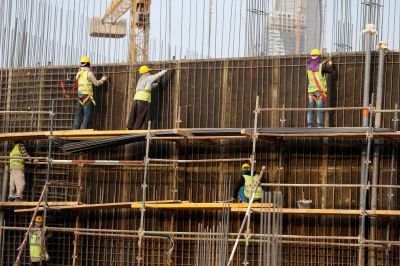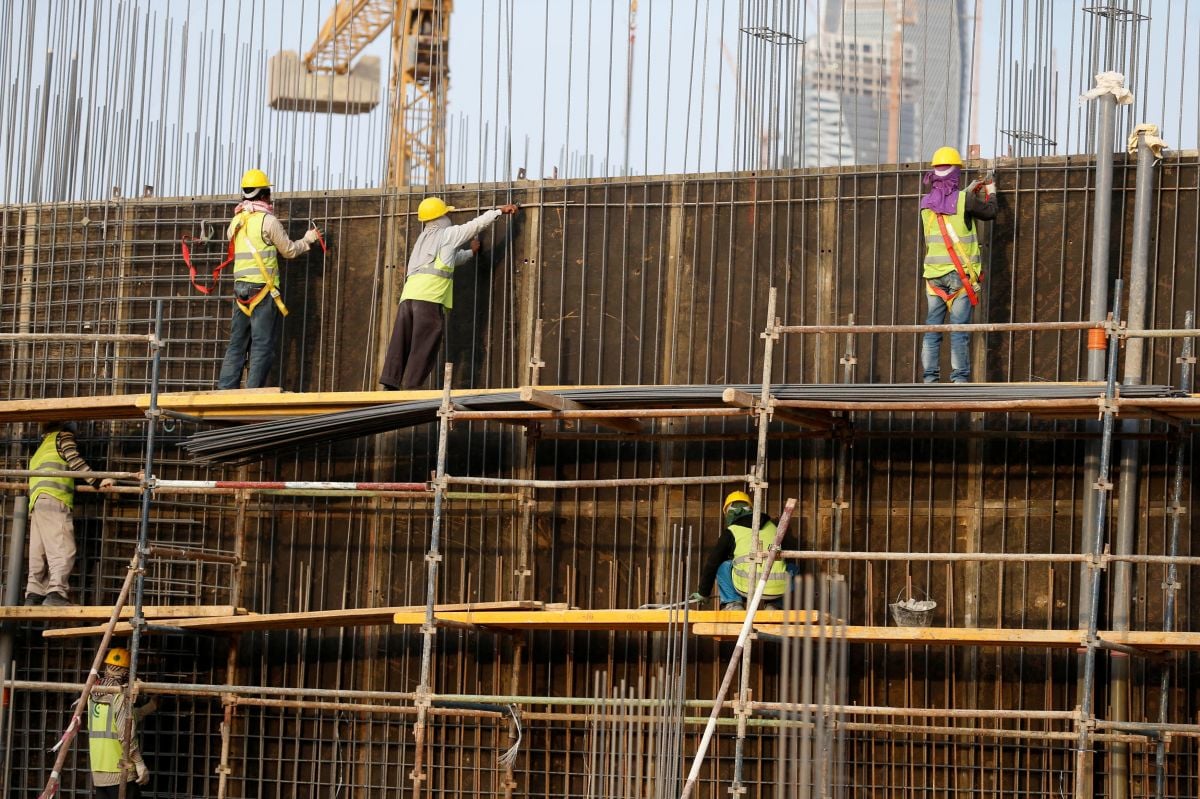
Indian workers are busy at a building site in Riyadh, Nov. 16, 2014. (Illustrative photo: Reuters)






The new year will mark a turning point in the Saudi kingdom. Starting Jan. 1, 2026, foreigners outside the Gulf Cooperation Council (GCC) countries — who are already permitted — will be able to purchase real estate in the country without residing there.
The amendment to the Non-Saudi Real Estate Ownership and Investment Law, passed last July, does limit these acquisitions to certain areas, notably excluding Mecca and Medina for non-Muslims.
However, it clearly demonstrates the Saudi Arabia's intent to diversify its economy and rival the United Arab Emirates by attracting investments and skilled foreign workers as part of its Vision 2030 strategy.
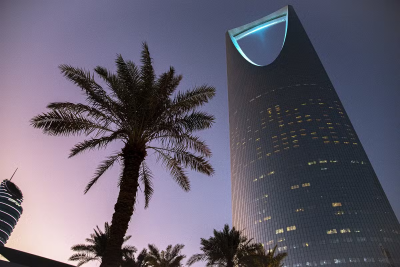
The original 2000 law regulating foreign purchases of real estate in the kingdom was expanded this year to cover non-residents, companies — whether operating in Saudi Arabia or not — nonprofit organizations, and any other non-Saudi legal entity.
Investors who required real estate for their business operations, their employees, or for their own residence already had the right to acquire property.
The July amendment now allows the individuals and entities concerned to purchase any type of property, without it needing to be linked to an economic activity. The law stipulates a real estate fee of 10 percent, which includes the real estate transfer tax and an additional transfer fee for non-Saudis.
Penalties of up to 10 million Saudi riyals (more than $2.6 million) are provided for violations of the regulations, and any property acquired with false or misleading information may be sold at public auction.
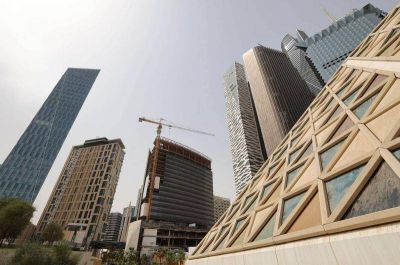
Certain pre-existing regulations remain in place in addition to the amendment introduced in July. Under the Premium Residency program launched in 2019 and strengthened since, foreigners can obtain permanent residency in the kingdom by investing more than 4 million riyals (around $1.1 million) in real estate.
Non-Saudis can also circumvent the ban on acquiring property in the holy cities of Mecca and Medina by going through a local company that holds land there, whether they own the company partially or in full.
Outside the areas designated by law, only properties intended for housing employees or for conducting an economic activity can be acquired. Regardless of the area, companies listed on the stock exchange must first obtain approval from the Capital Market Authority.