





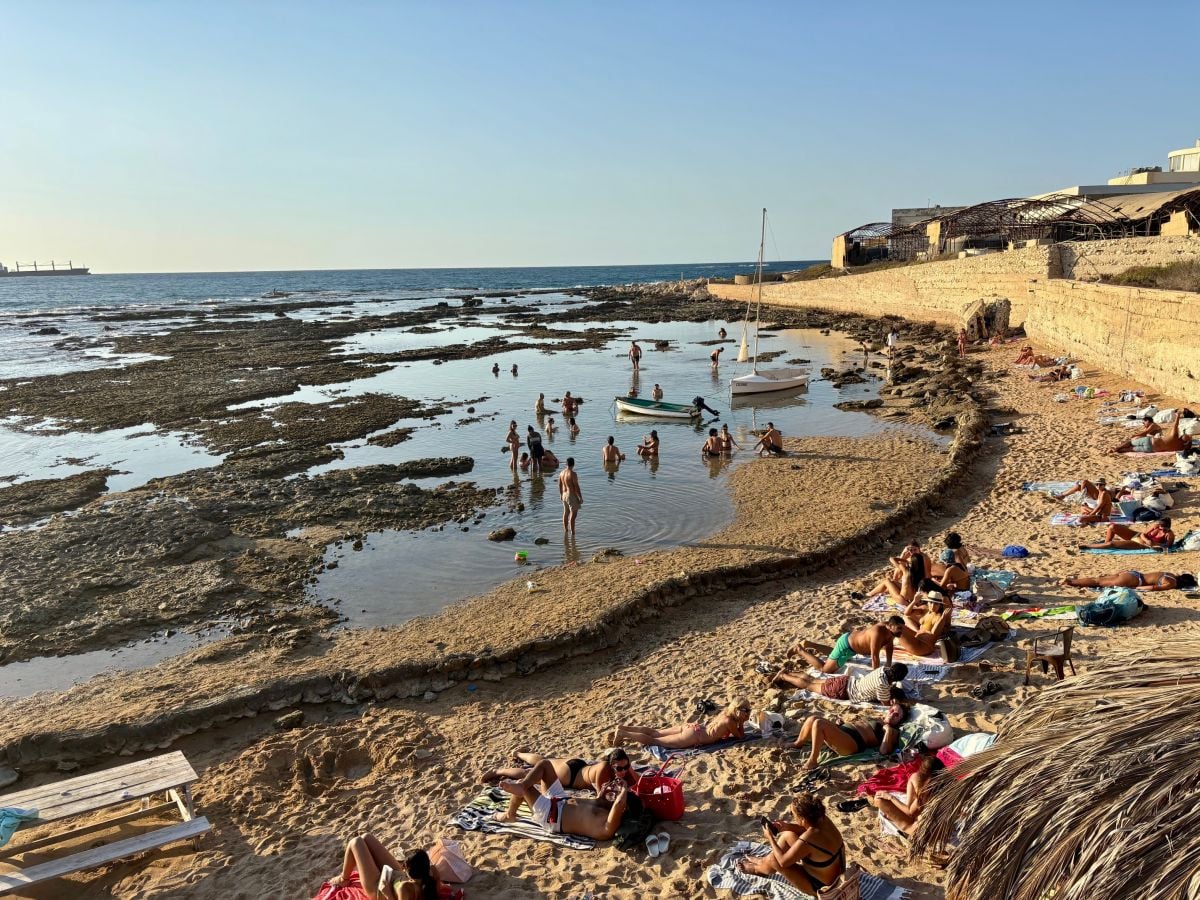
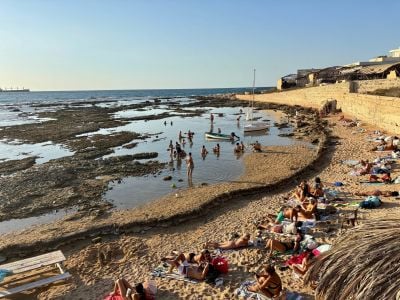
The last holidaymakers are lounging on one of Batroun's beaches on September 20, 2025. (Credit: Philippe Hage Boutros/L'Orient-Le Jour)






Despite six years of unresolved crisis and two years of intermittent Israeli strikes, Lebanon’s private sector has not given up. It is even holding on, cautiously, to hopes of economic improvement.
After months of stagnation and a July marked by a downturn — expected but unwelcome amid nearly two weeks of war between Israel and Iran — the Purchasing Managers’ Index (PMI), published monthly by Blominvest, unexpectedly climbed back above the 50-point threshold. It landed three decimal points higher than this pivot level.
“The PMI rose to 50.3 points in August from 48.9 in July — reaching a six-month high and returning to expansion territory,” said Mira Said, lead economist in Blominvest’s research department. She added the trend was driven by increased output — with the sub-index rising from 48 to 50.7 — new orders, which went from 47.8 to 50.5, and inventory purchases, which rose from 50.2 to 50.7.
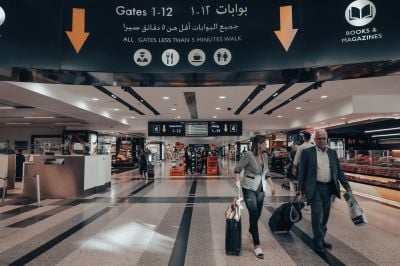
However, new export orders remained below 50 despite a jump of more than 3 points, from 45.6 to 48.7. The sub-index measuring the business outlook for the next 12 months also stayed under the 50 threshold, though it rose sharply from 28.4 to 46.4 in one month.
Said attributed the improvement to the government’s two-step decision in early August to move toward restoring a state monopoly on arms — a measure she described as “a key step toward stability, ending the country’s regional isolation, and attracting foreign investment.” She also cited the rise in Banque du Liban (BDL, central bank) reserves, which increased by more than $206 million in the first 15 days of August to $11.69 billion, and then to $11.83 billion by mid-September. The boost, she noted, was fueled in part by spending from expatriates visiting the country.
Aoun-Salam momentum
While modest, the PMI uptick — based on surveys of purchasing managers at 400 local companies using internationally recognized methodology — marks a notable event. Since its launch in May 2013, the index has surpassed the 50-point mark only six times, and this is the third occurrence since President Joseph Aoun and Prime Minister Nawaf Salam took office.
The PMI gauges sentiment in the private sector. A reading below 50 indicates respondents believe activity has slowed and expect a weak outlook. Conversely, above 50 signals optimism. Month-to-month increases suggest improved perceptions of the economic environment (and vice versa).
A PMI at 50.3 does not mean Lebanon has returned to the buoyant conditions of 2008, when its financial system benefited from capital inflows fleeing markets hit by the subprime crisis. But it is a credible marker that reflects the mood among tourism sector players, who largely described the summer season as acceptable, with enthusiasm varying by field.
“While this PMI rebound is encouraging, it could well be only temporary. Continued growth will depend on more extensive reforms and, most importantly, greater political stability,” Said concluded.
The next PMI update, expected in the coming weeks, will show whether recent moves toward disarming militias on Lebanese territory, as well as ongoing negotiations with the International Monetary Fund (IMF) for a first conditional financial assistance program, have had an impact on business confidence.
This article was originally published in French in L'Orient-Le Jour.

 Evening recap: Netanyahu announces West Bank offensive; 7 killed in Jordan church shooting; tents burned in south Lebanon
 US strike on Iran this weekend? ‘Absolutely,’ says Barrack; ‘I have no idea,’ says Trump