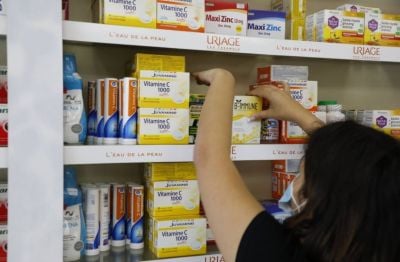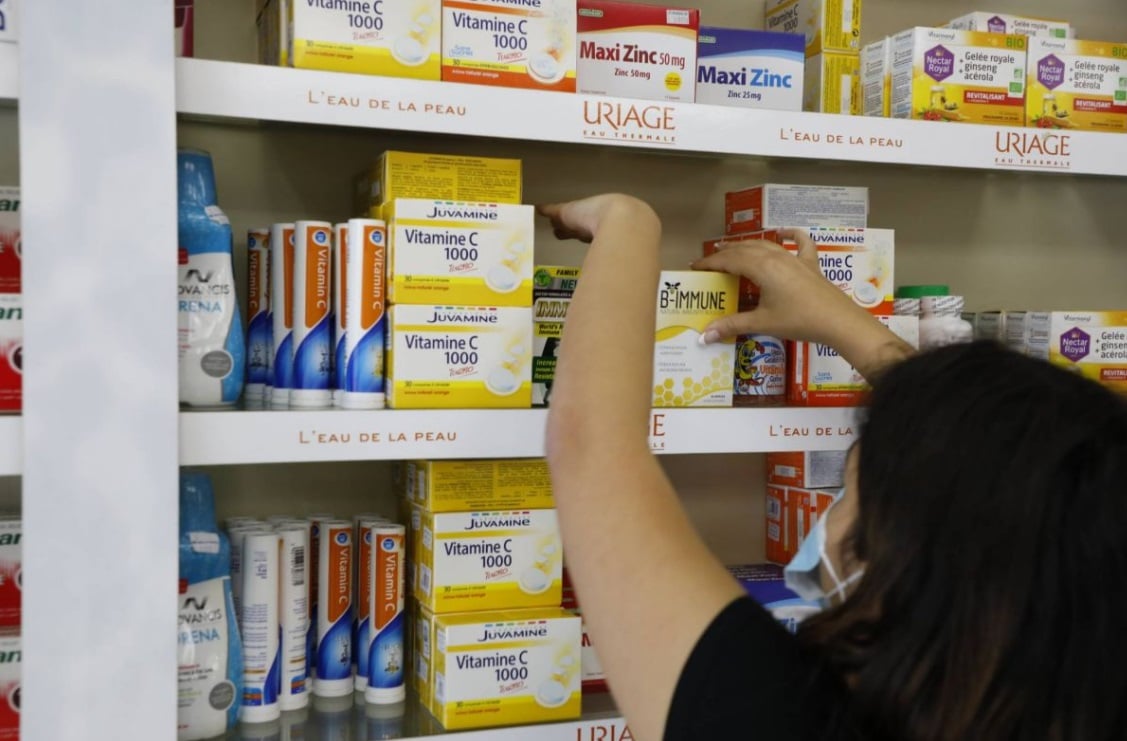
Medicines displayed on the shelves of a pharmacy in the capital. Archive photo: Marc Fayad / Le Commerce du Levant






For the first time in its history, Lebanon is poised to create a National Medicines Agency, modeled on counterparts in France and the United States. More than three years after the law enabling its creation was passed, the Cabinet last week adopted the implementing decrees required to set it up.
The decrees have yet to appear in the Official Gazette, which was updated Thursday. But Bilal Abdallah, president of the Parliamentary Health Committee and affiliated with the Progressive Socialist Party (PSP), told L'Orient Today that the text outlining the process for appointing agency members is included. "It is the most important decree, and it was time for the country to take a step forward," he said, adding that the government will also need to address organizational and administrative matters.
Health Minister Rakan Nasreddine told al-Manar last week that the appointment mechanism still needs review by the Civil Service Council.
Here’s what you need to know about Lebanon’s new regulatory body.
Three types of powers
Created under Law No. 253 of 2022, the agency is autonomous administratively and financially, though it remains under the supervision of the health minister.
Abdallah called it "the cornerstone of a new regulatory framework supposed to guarantee the quality of medicines, medical equipment, raw materials used in pharmaceutical production, as well as foods for special medical purposes and other supplements." Joe Salloum, president of the pharmacists’ association, said its role resembles that of the U.S. Food and Drug Administration (FDA), though its authority is narrower. Unlike the FDA, it lacks broad enforcement powers and programs to accelerate access to innovative treatments.
The Lebanese agency’s responsibilities fall into three categories: organizational, executive and oversight. Previously, these functions were mainly handled by the Health Ministry. The agency will oversee drug registration and price setting but will only issue opinions on marketing authorizations for imported and locally produced medicines and import licenses.
Non-renewable mandate
The agency will be led by a director general and a seven-member board of directors, including the president. All appointments are made by Cabinet decree on the proposal of the supervising authority. The board recommends the director general, and salaries for all executives are set by decree.
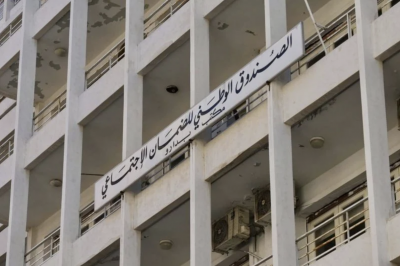
Candidates must have at least 10 years of experience in internal medicine, clinical pharmacy, chemistry, pharmacology, molecular biology (PhD level), statistics, pharmacy specializing in Health Technology Assessment, or law (with at least 10 years of membership in the Bar Association).
"It is important to choose highly competent specialists," Salloum said.
The law also establishes a permanent advisory committee, including representatives from pharmacists’ and doctors’ associations in Beirut and Tripoli, local pharmaceutical manufacturers, importers of medicines and medical equipment, and the Association of International Pharmaceutical Companies operating in Lebanon.
'Victory for patients?'
The move has drawn support from several quarters. Bechara Asmar, president of the General Confederation of Workers in Lebanon, called it "a step with positive repercussions for the quality and price of medicines sold in Lebanon." Salloum described it as a "victory for patients," saying it would "strengthen transparency."
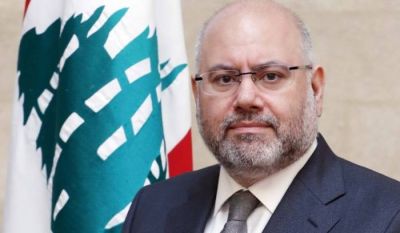
Authorities have long struggled to regulate Lebanon’s drug market effectively. Since the 2019 economic crisis, smuggling has surged as shortages in certain drugs or brands emptied pharmacy shelves. Last May, authorities uncovered a network distributing counterfeit or expired medicines. "In the past, many poor-quality drugs and some without international certifications were registered on the pretext of shortages, through so-called urgent imports. Today, we are restoring value to both medication and patients," Salloum said.
In his interview with al-Manar, the health minister said the agency will centralize oversight of the "fragmented" drug trade. Salloum argued that an independent institution is better suited to the task than a ministry, which has so far struggled to manage the sector.
While promising on paper, the agency’s effectiveness will depend on practical implementation and cooperation from security and judicial authorities, assuming it is fully established as planned.