






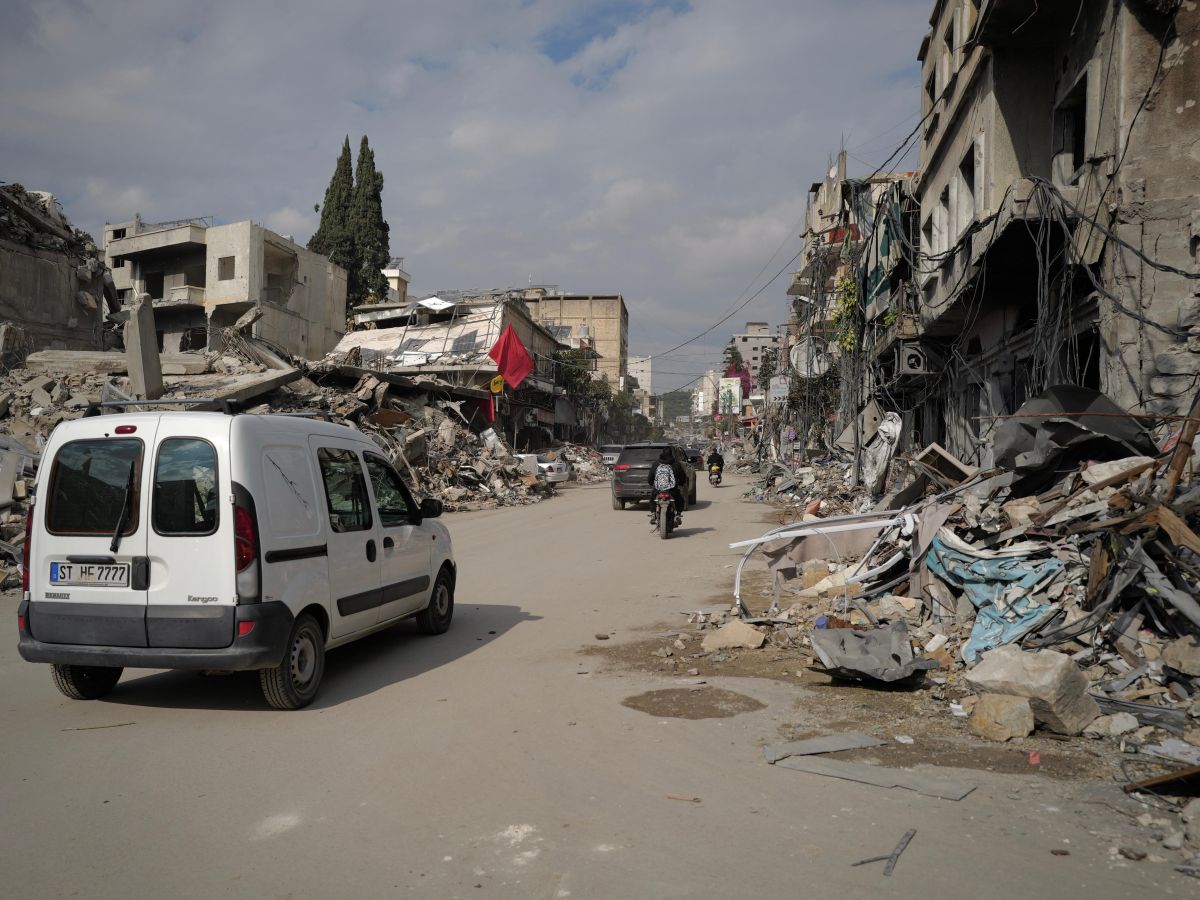
November 29, 2024, two days after the ceasefire between Hezbollah and Israel. (Credit: Matthieu Karam/Illustrative photo/L’Orient Today)






BEIRUT — Lebanese authorities received an intelligence warning of an "intention by terrorist groups" to smuggle booby-trapped car batteries from Syria, according to a leaked classified General Security document dated Friday, July 4, 2025, and confirmed to L'Orient Today on Monday by a source at the General Security and another one at the Interior Ministry.
The GS source told L'Orient Today that the "batteries did not enter Lebanon," assuring the shipment in question does not pose a risk for the population.
The document mentions "intelligence about a planned attempt by terrorist groups to smuggle car bomb batteries into Lebanon via its northern and eastern land borders." The batteries were allegedly intended for use in "terrorist attacks," according to the same document.
The circular No. 18775, issued by the Security department of the General Directorate of the General Security, was signed by Brigadier General Hadi Abou Chakra on behalf of the Director General of General Security and by Customs colonel Nidal Diab, on behalf of the general director by interim of the Customs, Raymond Khoury.
The document was shared with several key authorities, including the Grand Serail, the Ministry of Interior, State Security, and the Customs Directorate, and instructed these bodies to "take necessary measures". It was also referred to regional customs offices and smuggling control departments in Beirut, Chtaura and Tripoli.
'Avoid mass panic'
The source at General Security told L’Orient Today that "the car batteries did not enter Lebanon and do not pose any risk to citizens inside the country", explaining that it had initially planned to keep the document internal, in order to "avoid mass panic." "It seems one of the customs employees leaked it to the press,” the source explains, without further details. Customs were not immediately available to comment the allegations.
The source at the Interior Ministry confirmed for its part that Interior Minister Ahmad al-Hajjar “liaised with General Security on this matter,” but noted that “due to the sensitive nature of the circular, no further information can be provided to the media” regarding the supposed plot, which authorities foiled it, and the alleged batteries shipment in question.
From a mechanical point of view, "it's very possible to hide explosives inside car batteries," according to a Beirut-based car mechanic who specializes in electrical systems. "Someone who knows what they’re doing can open up a battery, take out the inside parts, and fill it with explosives, then they seal it up again so it looks just like a normal battery from the outside," he explained. Often, the battery’s terminals are left in place to make it seem fully functional. "They can still connect wires and make it look like it’s working — even if it's not powering anything," he said. The explosives inside can be triggered in different ways, including by remote control, a timer, or even when the car is started.
Terrorism threat in Lebanon ?
The threat of terrorism in Lebanon resurfaced after the June 22 suicide bombing at Saint Elias Church in Damascus, which killed at least 25 people. The attack — the deadliest targeting Christians in Syria since the 2011–2024 war — was claimed by an obscur jihadist group called "Saraya Ansar al-Sunna". Since this incident, Lebanese security agencies have announced a series of arrests linked to suspected terrorist cells operating within the country, without however establishing a link with the Damascus attack.
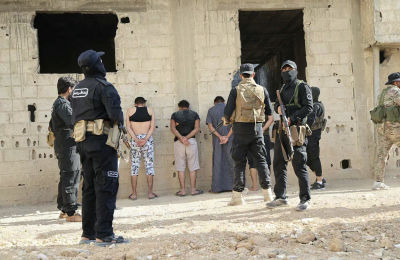
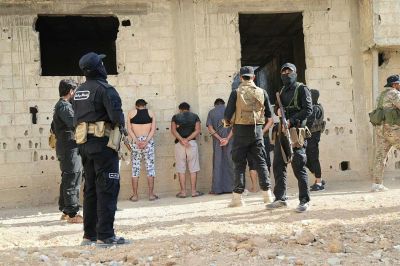
Last Monday, General Security raided an apartment in Beirut’s southern suburbs neighborhood of Bourj al-Barajneh, detaining several individuals reportedly of Syrian nationality. While Hezbollah-affiliated al-Manar channel claimed ties between the suspects, IS, and Israeli intelligence agency Mossad, a security source told L’Orient Today the reports were “exaggerated,” and the party's spokesperson acknowledged to our publication that no links were established between the arrested suspects and the IS.
Some Hezbollah opponents and other experts argue the group uses the risk of terrorist attacks in Lebanon to justify keeping its weapons, especially as international and internal pressure to disarm the party grows, after the deadly war with Israel.