






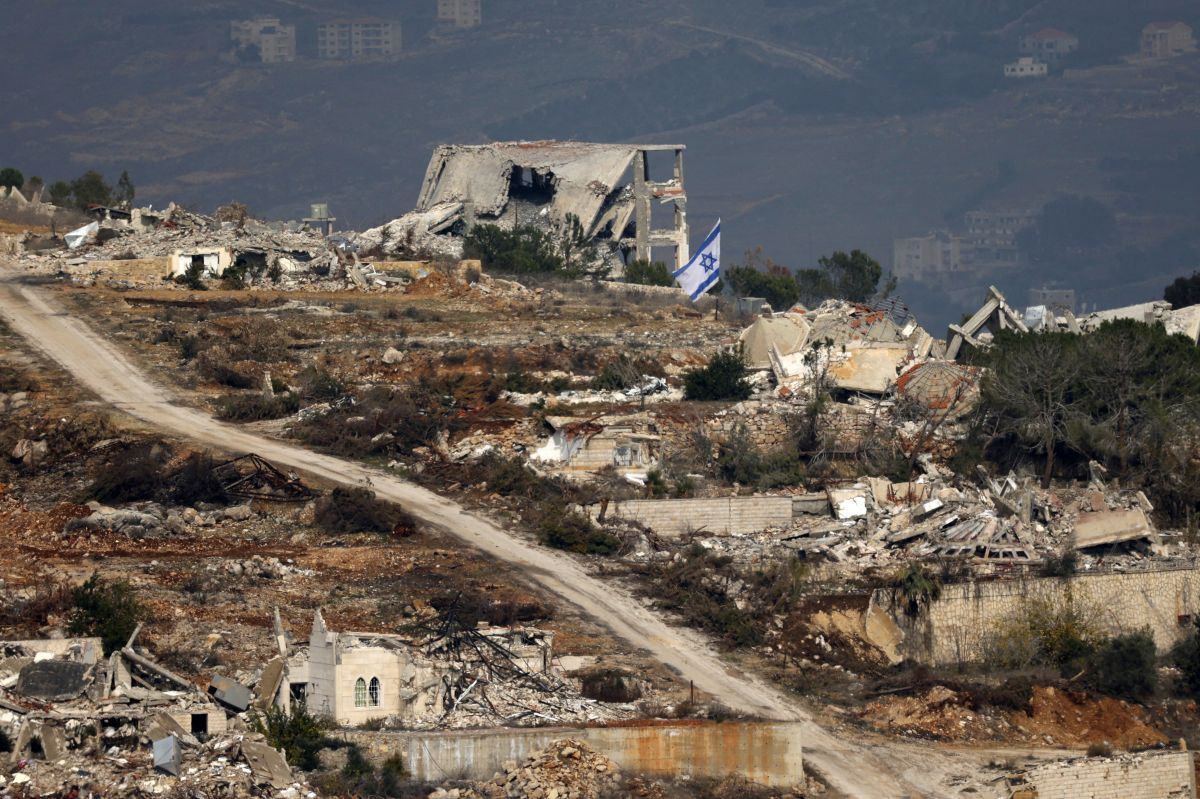
This photo, taken from the northern border of Israel, shows an Israeli flag amidst the destruction caused by Israeli bombings in the village of Odaisseh, in southern Lebanon, on Dec. 4, 2024. (Credit: Jalaa Marey/AFP)






The Home Front Command of the Israeli army announced on Sunday evening, Feb. 23, the lifting of all restrictions imposed on communities located on Israel's northern border, as reported by the Times of Israel. This decision was approved by Defense Minister Israel Katz following an assessment conducted by the Home Front Command in collaboration with the Chief of Staff of the Israeli army, Lieutenant-General Herzi Halevi, according to the Israeli daily.
The level of activity in the northern border communities will now move from "partial activity" to "full activity" from Monday evening, allowing displaced Israelis from the border area to begin returning to their homes from March 2, reported the Times of Israel. Nearly two months ago, Israeli Finance Minister Bezalel Smotrich and Likud member Ze'ev Elkin announced during a press conference that the return of northern Israel residents to their homes was scheduled for March 1.
The inhabitants of northern Israel had not been allowed to return home since October 2023, following the opening of the "support front" by Hezbollah, marked by almost daily cross-border fire. Israeli media regularly put forward the figure of 60,000 displaced from these border communities, to whom the Israeli government was providing housing aid.
'I'm scared to return'
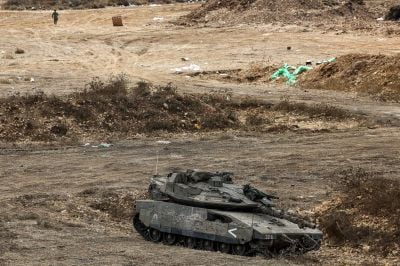
However, residents seem reluctant to return home, citing fear of Hezbollah and the need to rebuild infrastructure. A report by Yediot Aharonot among the residents of northern Israel and Metula, its northernmost town, highlights this fear, while the Israeli army remains largely present there. The town of Metula would be devastated and unable to welcome its residents back despite promises of funding and reconstruction, noted the Israeli daily.
"Two and a half months have passed since the cease-fire, and no one has contacted us to reassure us." an inhabitant of Kiryat Shmona told Yediot Aharonot. "I'm afraid to return. On one hand, I want to return to my house, but on the other, I'm terrified. I need someone to tell me that it's safe to return to Kiryat Shmona. For now, nothing is clear."
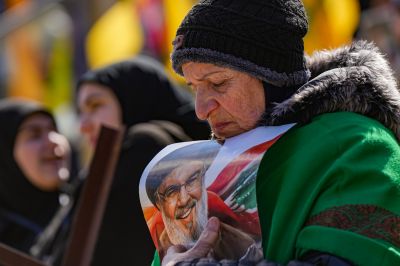
On the morning of Feb. 23, Israeli public broadcaster KAN explained that "if the funerals [of Hassan Nasrallah] take place without any major security incident, the towns along the northern front line will be declared green alert 1, which means a complete return to normal in terms of security."
That same day, following the funerals, Benjamin Netanyahu stated that the Israeli army would control "territories along its northern border inside Lebanon and in front of our villages ... until the Lebanese army and government fulfill all their obligations under the agreement," reported Yediot Aharonot.
The cease-fire agreement between Israel and Hezbollah, effective from Nov. 27, 2024, after 13 months of conflict, aims, according to its terms, to "allow civilians on both sides of the Blue Line to safely return to their lands and homes." Israel maintains a presence in at least five strategic villages, due to their altitude, in southern Lebanon, citing security reasons.
On Sept. 16, 2024, the day before the explosion of booby-trapped pagers that killed at least forty and injured more than 2,900, and a week before the start of a large-scale Israeli attack on Lebanon, Israeli Prime Minister Benjamin Netanyahu announced that "the safe return of northern [country] residents to their homes" was now among his government’s war objectives.
This article was originally published in French in L'Orient-Le Jour.

