






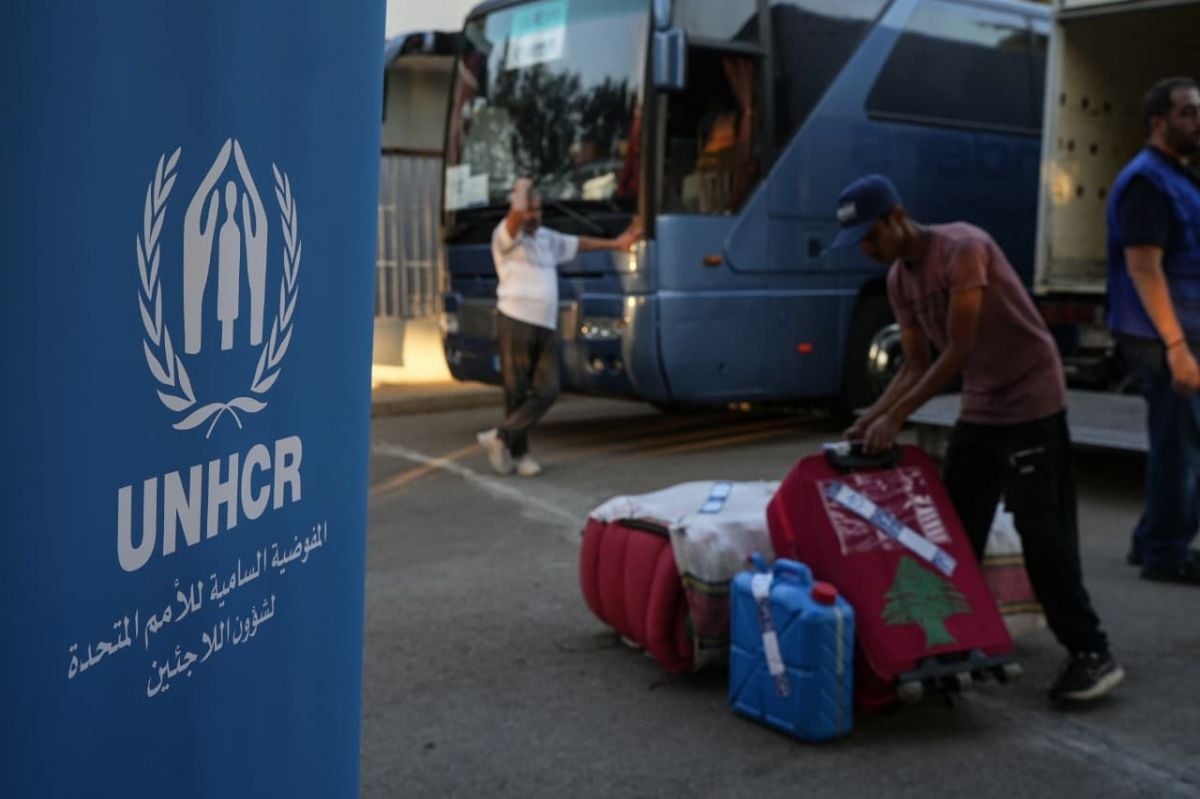
Departure of a convoy of Syrian refugees under the auspices of the UNHCR and IOM, on Oct. 2, 2025, at the Karantina area in eastern Beirut. (Credit: Mohammad Yassine/L'Orient Today)






BEIRUT — Interior Minister Ahmad Hajjar said Lebanon will extend measures facilitating the voluntary return of Syrian refugees until Sept. 30, as returns continue.
Hajjar said around 650,000 refugees have been removed from the UNHCR database out of 1.4 million, adding that large numbers have already returned. His remarks were made in an interview with Télé Liban and relayed Thursday by the state-run National News Agency (NNA).
He said the government's objective is "to regularize the Syrian presence in Lebanon through legal means and ensure there are no individuals holding refugee status." According to Hajjar, the government formed a committee chaired by Deputy Prime Minister Tarek Mitri to oversee the return plan.
Hajjar said the deadline for facilitating voluntary returns, initially set for July 31, has been extended until Sept. 30 to allow more Syrians wishing to return home to complete the necessary procedures.
"If they wish to return to Lebanon afterward, it must be through legal and official channels," he said, adding that the measure is intended to encourage more Syrians to return to Syria.
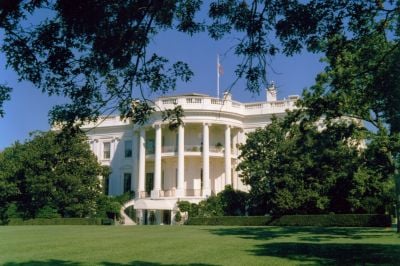
Lebanon's organized "voluntary return" program, facilitated by the Lebanese General Security and coordinated with the UNHCR, continues to assist displaced Syrians wishing to go back home. While tens of thousands have returned spontaneously or utilized U.N.-organized convoys, many refugees remain cautious, often citing valid concerns about security, the loss of essential documents, and the availability of housing
'Around 90 Syrians remain in Lebanese custody'
Addressing Syrian detainees in Lebanon, Hajjar said around 90 Syrians remain in Lebanese custody. He rejected claims that Syrians transferred to Syrian authorities are immediately released, saying they instead continue serving their sentences in Syrian prisons.
The minister also discussed efforts to secure Israel's withdrawal from southern Lebanon, saying President Joseph Aoun's visit to Washington comes as part of coordinated efforts with Prime Minister Nawaf Salam and Parliament Speaker Nabih Berri to help Lebanon recover from the war.
He also expressed hope that meetings in Washington would "result in real American pressure on Israel to achieve this goal," adding that "the positive positions of U.S. President Donald Trump regarding Lebanon and President Aoun are encouraging."
Hajjar said the government has not received any foreign dictates regarding the issue of the state's monopoly on arms, saying its commitment stems from its ministerial statement and decisions taken since taking office. He added that Berri supports efforts to secure Israel's withdrawal and the army's deployment in the south, describing his position as aligned with that of Aoun.
According to Hajjar, Syrian President Ahmad al-Sharaa and Foreign Minister Asaad al-Shaibani have both made clear that Damascus has no intention of intervening militarily in Lebanon but is prepared to assist Beirut in coordination with the Lebanese state.
'Crime rates have remained at levels similar to last year while declining in some areas'
Turning to domestic security, Hajjar said the Interior Ministry activated its central operations room at the start of the war to coordinate with the Prime Minister's Office, governors, municipalities and security agencies in response to the displacement crisis. The ministry also allowed displaced people to obtain official documents from any civil registry office and established alternative service centers inside the ministry building.
"The security situation in Lebanon is very good despite the continued Israeli attacks in the south," Hajjar said, adding that crime rates have remained at levels similar to last year while declining in some areas.
He credited the ministry's policy of preventive security with recent successes against terrorism, organized crime and drug trafficking, saying authorities had recently arrested "one of the most prominent collaborators" with Israel as well as "a senior IS official."
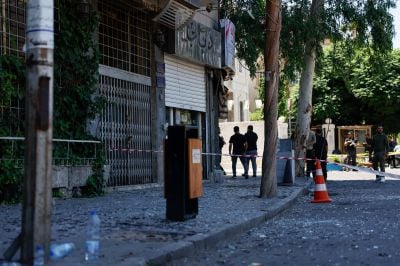
Addressing Lebanon's prison system, Hajjar described overcrowding as the system's biggest challenge, saying the construction of new prisons has been hindered by the reluctance of international donors to finance such projects. He also pointed to delays in judicial proceedings, while noting that the judiciary itself suffers from staff shortages.
Hajjar reiterated his support for a proposed general amnesty law aimed at reducing overcrowding and improving humanitarian conditions in prisons.

 8 p.m. recap: Israel again threatens Beirut’s south suburbs; 2 ships hit near Hormuz; Riyadh football matches canceled