







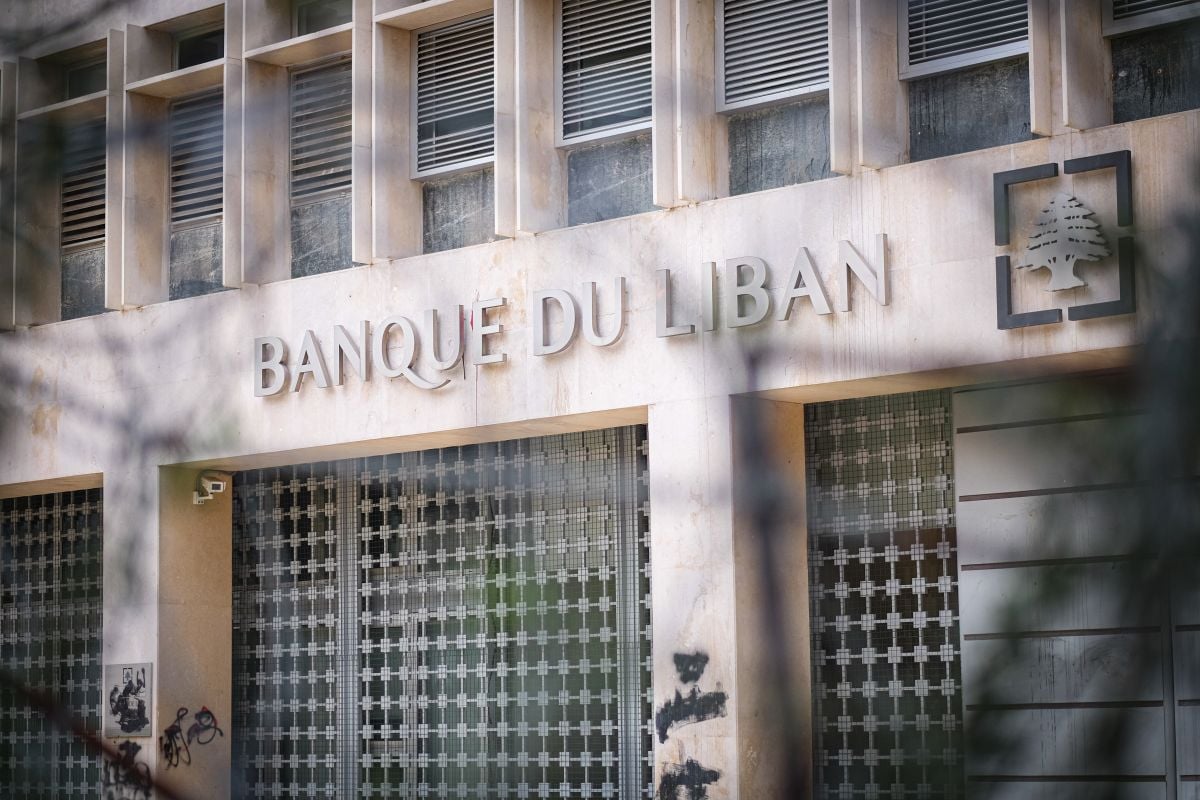
BDL in Beirut. (Credit: João Sousa/L’Orient-Le Jour)






While the government and International Monetary Fund (IMF) review the draft law on financial stability and deposit recovery, Banque du Liban (BDL) once again voiced reservations about the version approved and sent by the Cabinet to Parliament last year. According to several consistent sources, the central bank believes the bill neither reflects its analysis of what it describes as a systemic crisis nor its conviction that the state should bear a substantial share of the losses. It bases this position on legal, accounting and financial arguments.The discussions come as the IMF continues negotiations with Lebanese authorities over a series of amendments intended to bring the bill in line with international standards on bank resolution and loss allocation. IMF experts have repeatedly stressed the need to avoid approaches driven by local...
While the government and International Monetary Fund (IMF) review the draft law on financial stability and deposit recovery, Banque du Liban (BDL) once again voiced reservations about the version approved and sent by the Cabinet to Parliament last year. According to several consistent sources, the central bank believes the bill neither reflects its analysis of what it describes as a systemic crisis nor its conviction that the state should bear a substantial share of the losses. It bases this position on legal, accounting and financial arguments.The discussions come as the IMF continues negotiations with Lebanese authorities over a series of amendments intended to bring the bill in line with international standards on bank resolution and loss allocation. IMF experts have repeatedly stressed the need to avoid approaches driven by local...