






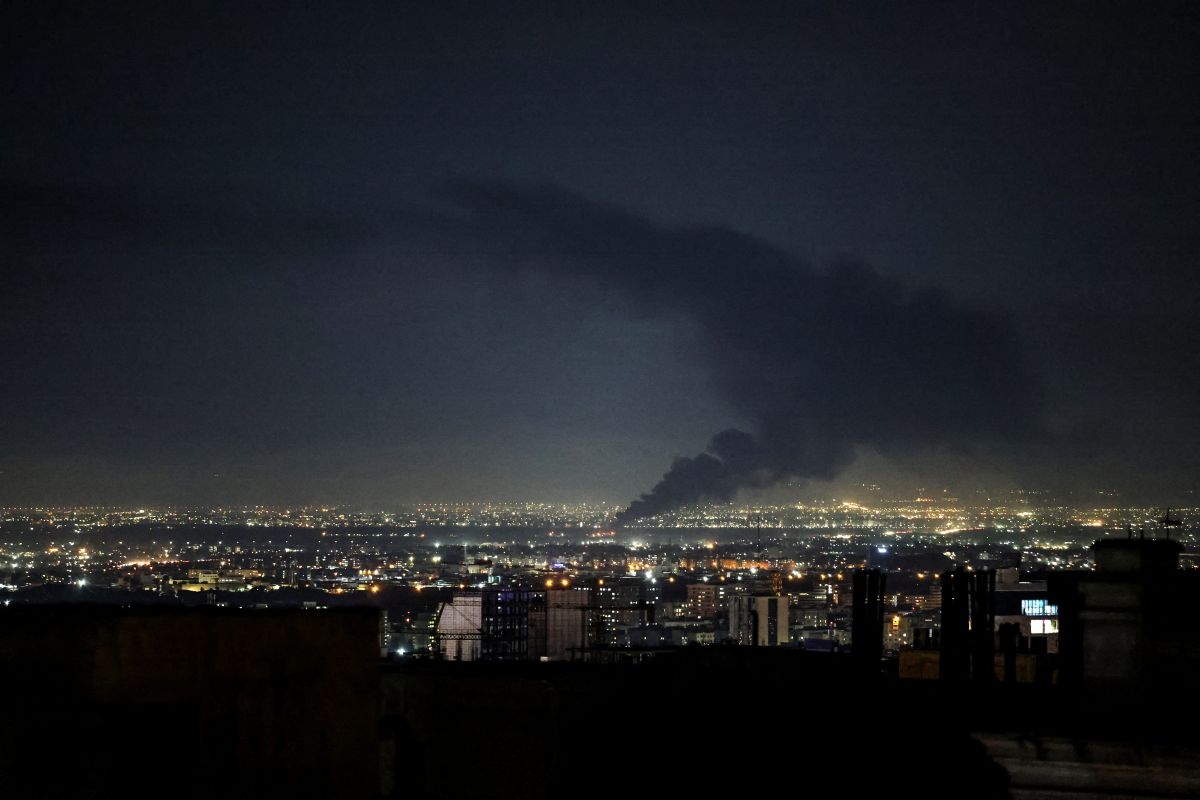
Smoke rises from the site of a U.S.-Israeli strike on Tehran, Iran, on April 7, 2026. (Credit: Atta Kenare/AFP)






During the 12-day war in June 2025, five rounds of indirect negotiations had been enough to keep Iran from being jointly targeted by Israel and the United States. In 2026, bis repetita, three rounds proved sufficient, even though these indirect negotiations — held with Omani mediation between Feb. 6 and 27 in Muscat and then in Geneva between Iranian and U.S. delegations — were marked by both progress and divergences. Thus, Donald Trump decided to abandon the diplomatic route, despite the risks inherent in such a move. Read more Facing possible Iran-US deal, Netanyahu raises stakes, intensifies attacks on Nabatieh Yet the 2026 negotiations began with positive signs after a 10-month break in talks, due to the 12-day war and maximum U.S. pressure. They relied on regular indirect meetings under Omani mediation, direct diplomatic...
During the 12-day war in June 2025, five rounds of indirect negotiations had been enough to keep Iran from being jointly targeted by Israel and the United States. In 2026, bis repetita, three rounds proved sufficient, even though these indirect negotiations — held with Omani mediation between Feb. 6 and 27 in Muscat and then in Geneva between Iranian and U.S. delegations — were marked by both progress and divergences. Thus, Donald Trump decided to abandon the diplomatic route, despite the risks inherent in such a move. Read more Facing possible Iran-US deal, Netanyahu raises stakes, intensifies attacks on Nabatieh Yet the 2026 negotiations began with positive signs after a 10-month break in talks, due to the 12-day war and maximum U.S. pressure. They relied on regular indirect meetings under Omani mediation, direct diplomatic...

 8 p.m. recap: Israel again threatens Beirut’s south suburbs; 2 ships hit near Hormuz; Riyadh football matches canceled