


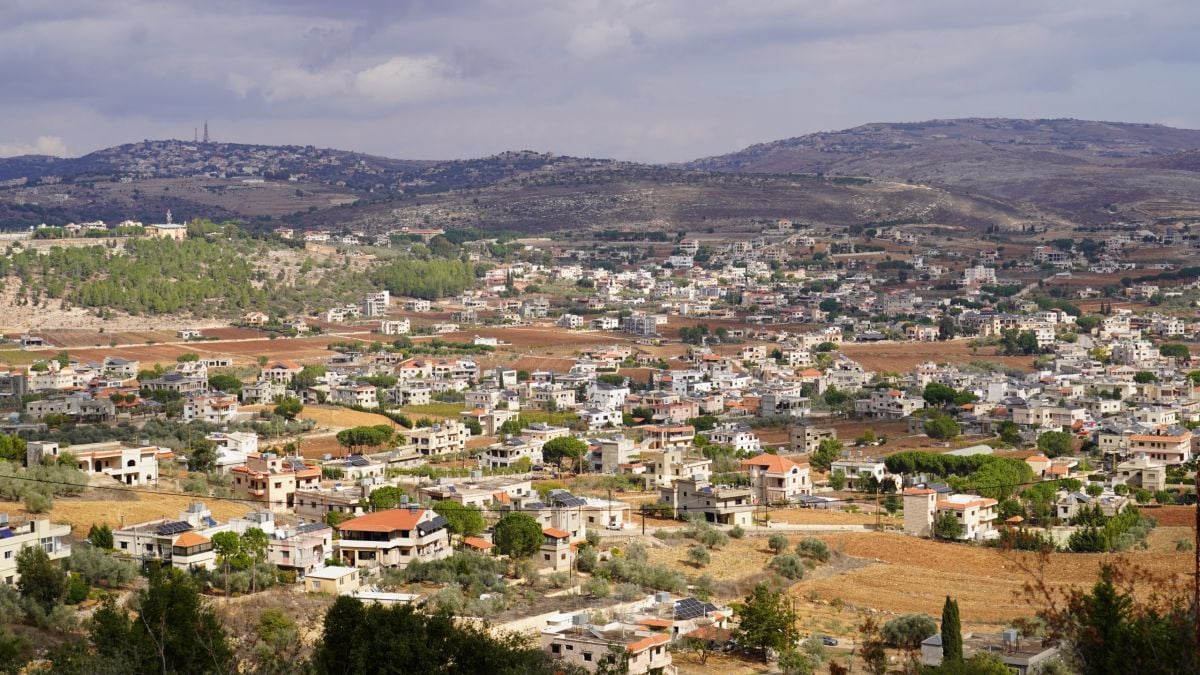
View of the locality of Rmeich, Bint Jbeil district, in South Lebanon, on November 16, 2025. Photo Téa ZIADE/L'Orient-Le Jour archives






The Lebanese Army withdrew on Tuesday from the border towns of Rmeish, Ain Ibl, and Braasheet, in the district of Bint Jbeil, as well as from Beit Yahoun in the district of Nabatieh, according to information from our correspondent in the south. The withdrawals follow an earlier announcement by the army of its decision to pull out of these areas, as the Israeli army continues its invasion of southern Lebanon. Videos circulating online show soldiers pulling out of the Christian towns of Rmeish and Ain Ibl.
"The army has indeed withdrawn from Rmeish, and we would have preferred it to stay, but we, as residents of the town, will remain despite the risks," said the head of Rmeish’s municipal council, Hanna al-Amil, to al-Jadeed TV. "We understand the army’s reasons for leaving, but our decision is to stay," said Ain Ibl municipal council president Ayoub Khreish, echoing a similar sentiment. A member of the Ain Ibl municipal council told our correspondent that around 340 residents of the village had remained.
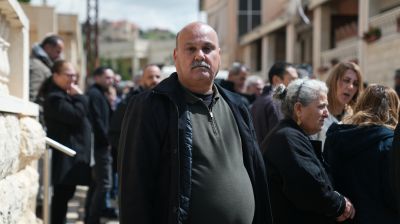
A security source also told al-Jadeed that the Lebanese Army was in the process of evacuating its positions in the towns of Tiri and Beit Yahoun, also in the district of Bint Jbeil. When contacted by L'Orient Today later on Tuesday evening, the head of Beit Yahoun's municipality, Moustafa Makki said that the Lebanese Army had completed the evacuation of its positions in the village, leaving it completely deserted as both the army and residents had left. The latter had fled the village before the army’s withdrawal, during the fighting, and in the face of repeated threats against them.
Contacted earlier in the day by our correspondent in southern Lebanon, Amil said he had been informed by the army of its decision to withdraw its soldiers, as well as the remaining Internal Security Forces (ISF) agents, who would also pull out on orders from their respective commands. Amil added that several official authorities had been contacted in an effort to reverse this decision, in order to protect the 6,000 inhabitants still in this Christian village. He expressed his concerns about the "next phase," warning of a "transformation" of the village into a "military operations zone." He said there was no Israeli presence inside the locality, but that the Israeli army was deployed in the surrounding areas.
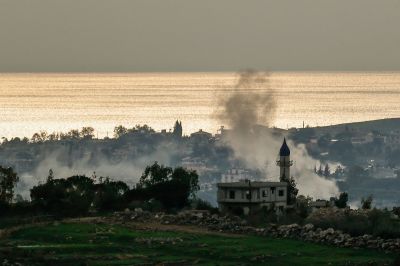
For his part, the head of Ain Ibl’s municipality also criticized the Lebanese Army’s withdrawal from his town, according to local media, saying that the state had decided to "abandon" them. "We wanted the army to stay by our side to protect us, and now we do not know what will happen to us," he told MTV.
These developments come as the Arabic-language spokesperson for the Israeli army, Avichay Adraee, issued a message in which he accused Hezbollah of using the Christian village of Qawzah to launch rockets, shells, and anti-tank missiles toward Israeli territory and soldiers.
The Israeli army has taken control of the village of Qawzah as part of its invasion of southern Lebanon. Despite this, Israeli forces present in the village continue to be targeted by Hezbollah rockets fired from surrounding areas.
 7 p.m. recap: Iran defies Washington over Hormuz; Bab al-Mandeb ignites, Israel strikes the Bekaa