






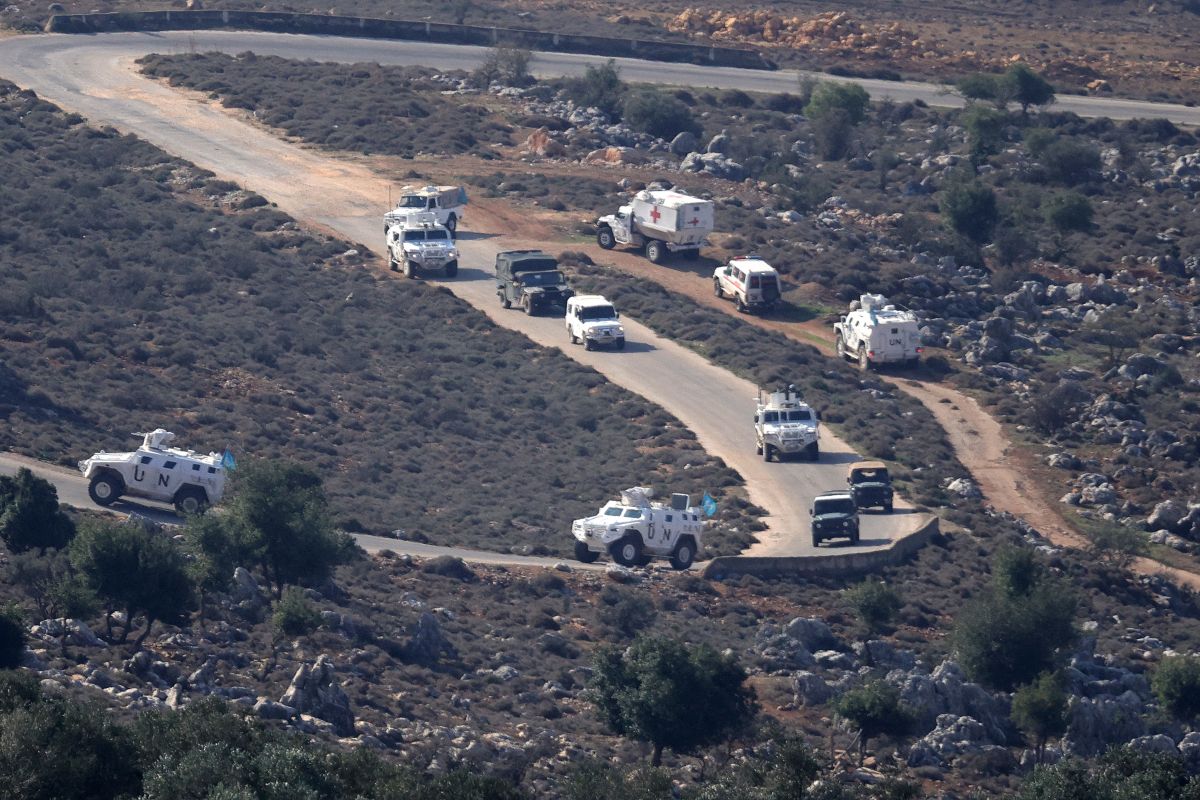
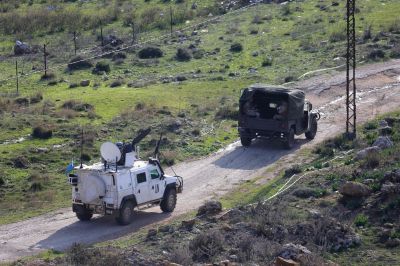
United Nations peacekeepers patrol with the Lebanese Army aboard vehicles of the United Nations Interim Force in Lebanon (UNIFIL) near Marjayoun, near the border in southern Lebanon, on Dec. 4, 2025. (Credit: Rabih Daher/AFP)






After a Thursday Cabinet meeting in the Baabda Presidential Palace — where Army Commander Rodolph Haykal presented the results of the plan’s first phase — the ministers instructed the military to submit, within a month, the next steps for the region between the Litani and Awali rivers.
The second phase of the arms monopoly plan is set to begin in February.
This amounts to a political green light to continue efforts to achieve an arms monopoly, despite opposition from Hezbollah, which says the region should be the subject of an internal compromise and is not included in the cease-fire concluded in November 2024.
“We have fulfilled our part of the deal,” said a member of the government, arguing that the ball is now in the military institution’s court.
Shortly before the Cabinet meeting, the army announced the completion of the first phase of its plan, and was immediately congratulated by the country’s leaders.
President Joseph Aoun and Parliament Speaker Nabih Berri, followed shortly by Prime Minister Nawaf Salam, each expressed this position in an official statement.
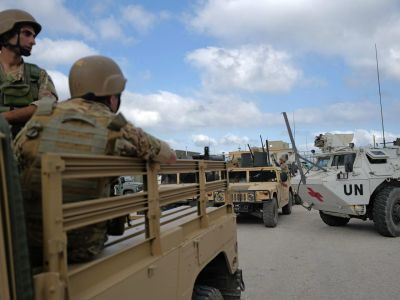
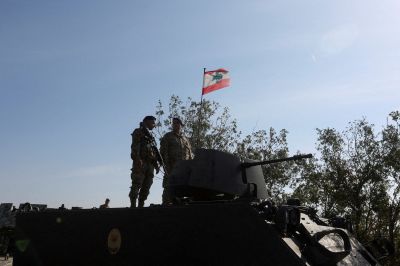
According to information obtained by L’Orient-Le Jour, Haykal took the opportunity to present to ministers the progress made south of the Litani, a zone the Lebanese Army now almost completely controls — except for areas still occupied by Israel.
“As usual, the army chief also provided some figures detailing the number of weapons and tunnels seized,” said a member of the ministerial team, who also recalled that Haykal dwelled on the obstacles preventing the army from fully accomplishing its mission to establish an arms monopoly.
It is likely that, in light of these obstacles, Parliament rejected a proposal from the Lebanese Forces (LF) ministers calling on the army to "complete [all] remaining stages of the plan within a deadline expiring on March 31, 2026."
According to our information, the army chief himself voiced reservations about this proposal. The decision was therefore made to entrust the army with setting out its own action plan for disarmament north of the Litani.
Meeting in February
“Parliament insists that the implementation of the army’s plan continue, in all its stages and as quickly as possible,” states the press release issued after the session and read by Information Minister Paul Morcos.
In this way, the executive sends a positive signal to the international community, starting with the United States and Israel, who continue to raise the specter of a military operation against Hezbollah.
However, to move to concrete steps, the government tasked the army with providing a general assessment, to be explained to Parliament as part of the report the army chief is expected to deliver in February, as Morcos indicated.
This carefully worded formula was drafted under the watchful eye of the ministers from the Amal-Hezbollah alliance, who limited themselves to a formal objection.
According to our information, they objected to Salam’s proposal to include an explicit reference to the government’s Sept. 5 decisions (the adoption of the army’s plan) in the final text.
To justify their veto, the Amal-Hezbollah ministers recalled they had walked out of the meeting during the adoption of the plan.
“A whole component of the Cabinet did not approve that decision,” one of them said during Thursday’s meeting.
For his part, Health Minister Rakan Nassereddine (affiliated with Hezbollah) told the press he opposed the government’s approach, “because we can’t move forward without ending the occupation, confronting the aggressions, and freeing the detainees [Lebanese held in Israel].”
This principled position, however, was not reiterated by the Hezbollah minister during the Cabinet meeting.
This article was translated from L'Orient-Le Jour.

 8 p.m. recap: Israel again threatens Beirut’s south suburbs; 2 ships hit near Hormuz; Riyadh football matches canceled