



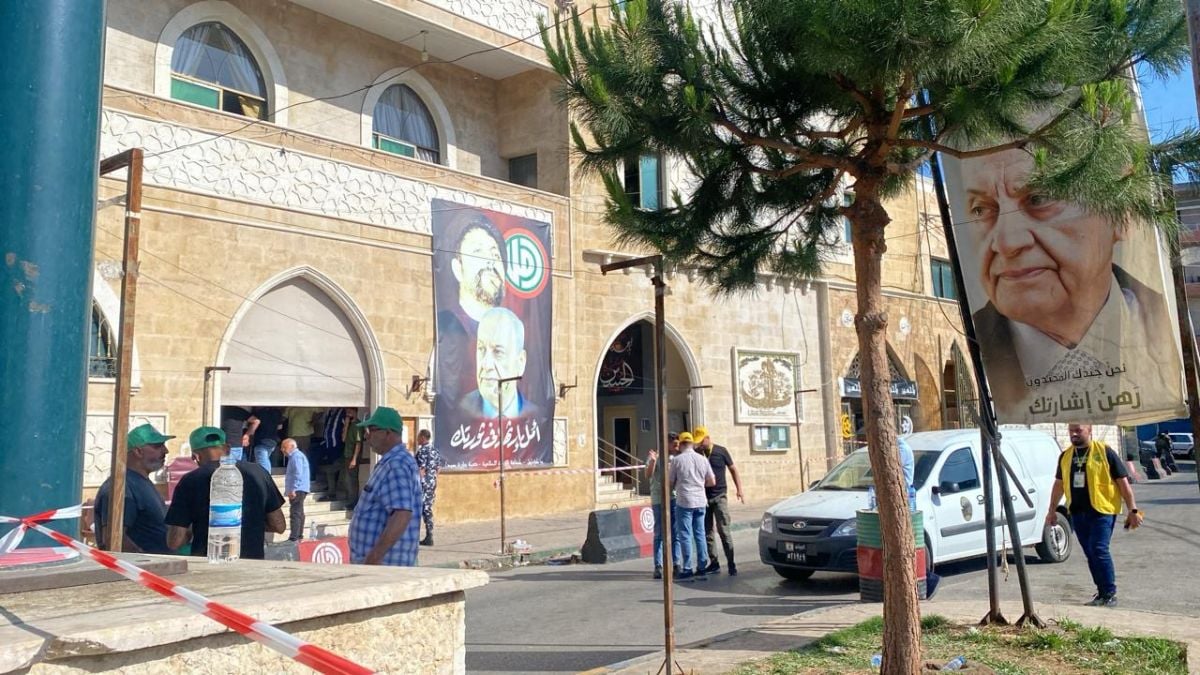
A polling station in Haret Saida, South Lebanon. (Credit: Marguerita Sejaan/L'Orient Today)






The municipal elections concluded on Saturday in the governorates of South Lebanon and Nabatieh, after four rounds of voting across the country. By the end of the day, the participation rate was 37 percent, compared to 48 percent in the 2016 municipal elections, according to the Interior Ministry.
The Amal-Hezbollah lists were elected unopposed in 102 out of 272 municipalities, according to figures relayed by L'Orient Today's correspondent in southern Lebanon. In villages where voting took place, the lists backed by these two parties emerged victorious, while a few rare breakthroughs by non-affiliated lists were recorded.
Additionally, in the villages of Baslaya (Jezzine), a mokhtar who had just been elected, Maroun Moubarak, died on Sunday of a heart attack after learning the election results.
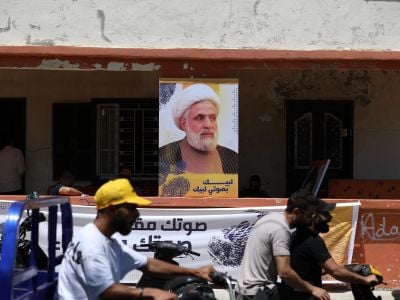
Hezbollah victories and independent breakthroughs
Until Saturday at dawn, the Amal-Hezbollah alliance continued its efforts, with the participation of Parliamentary Speaker Nabih Berri to “encourage” its opponents in Shiite-majority villages to withdraw. As a result, in dozens of these villages, municipal councils loyal to this alliance were elected unopposed. In the towns where the voting took place, the two maintained its dominance, often electing all its candidates.
Here are the main results so far:
Sour District: 39 municipalities were elected unopposed in favor of the Hezbollah-Amal alliance. Their lists also won the elections in Sour, Jwaya, Deir Qanoun al-Nahr, Ain Baal, Jibal al-Botom, Arzoun, Shehabieh, Tyr Debba, Abbasieh, Srifa, Bayyad, Ramadieh, Bazourieh and Burj al-Shemali.
In Bazourieh, only one candidate from the alliance managed to obtain a seat on the municipal council, according to L'Orient Today's correspondent.
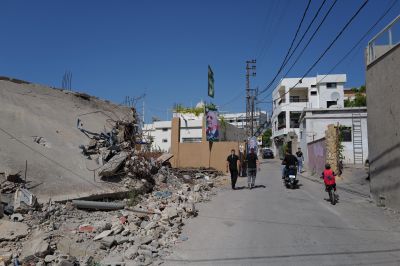
Nabatieh District: The alliance's candidates were elected unopposed in 16 out of 40 municipalities. They also won the vote in Yohmor Sheqif, Mayfadoun, Jibsheet, Adsheet, Kfar Tebnit, Kfour, Nmeirieh, Zawtar al-Sharqieh, Nabatieh al-Faouqa, Ebba, Borkoh and Jarjouh. Hezbollah lost the battle in Deir Zahrani, where an independent, Abdallah Akil, managed to win.
Bint Jbeil District: 20 municipalities were elected unopposed for Hezbollah and Amal, who won the battle in Aitroun, Shaqra, Doubai, Hanin, Braasheet, Froun, Soltanieh, Yater and Safad al-Battikh.
Marjayoun District: 13 municipal councils were elected unopposed for Hezbollah and Amal. They also won seats in Debbine, Odaisseh, Kfar Kila, Hula, Blida and Deir Serian.
Saida District: The Hezbollah-Amal alliance's candidates won 16 out of 48 municipalities unopposed. They subsequently won in Saksakieh, Banaafoul, and Loubieh.
Meanwhile, in Zrarieh, a list supported by the region's “families” won against the list supported by the alliance, winning 11 out of 15 seats, according to L'Orient Today's correspondent. Three women were elected to the municipal council, and a woman was elected as mokhtar. An independent list in Kfar Hetti won 10 seats against 5 for the alliance.
In Saida, according to final results communicated by L'Orient Today's correspondent, 10 out of 21 seats on the municipal council were won by the Future Movement's list, eight by the list supported by MP Oussama Saad and three seats were attributed to MP Abdel Rahman Bizri's list.
Army, security forces praised after municipal elections
Lebanese Army Commander Gen. Rodolphe Haykal on Sunday praised the armed forces for ensuring the smooth conduct of the municipal elections, describing the vote as “a shining image of the army’s role as a guarantor of stability and protector of the Constitution.”
“In a delicate phase during which the homeland faces exceptional challenges, you have once again proven yourselves worthy of the trust and responsibility placed in you, tasked with protecting Lebanon’s democratic face,” Haykal said, addressing the troops.
General Security chief Gen. Edgard Lawandos also commended his officers for their “essential role in maintaining security and stability” throughout the elections, highlighting their “close cooperation with the army and other security agencies.” He emphasized the efforts made to combat vote-buying and the coordination with judicial authorities across several governorates to arrest those involved.
Interior Minister Ahmad Hajjar expressed pride in the performance of “judges, public administration employees, security forces and the military,” stating: “You carried out your duties with responsibility and helped deliver this milestone in a manner worthy of the public’s trust, which formed the cornerstone of this success. I am truly proud of what you have accomplished.”
Low voter turnout
The low voter turnout, which did not exceed 27 percent of registered voters in Bint Jbeil for example, could indicate a weakening of Hezbollah's ability to mobilize, at a time when the party needed a show of force more than ever. It could also be due to the fact that several lists had already been elected unopposed. It should also be noted that to avoid confrontation at the polls with independents or families, the Hezbollah-Amal alliance made concessions in several villages, by withdrawing some of its candidates in favor of the other camp.
Notably, Israel did not carry out any strikes or attacks during the voting hours, although its army did escalate on the eve of the elections, allowing the election to proceed normally. A victory for the state, which, thanks to diplomacy and the guarantees it secured, was able to protect Hezbollah's voters and all the inhabitants of the South.
This article was originally published in French in L'Orient-Le Jour.

 1 p.m. recap: Third death in 2 days in Israeli-occupied south Lebanon, Salam comments on the Dahr al-Baidar case, Saudi Arabia bombs Yemen