






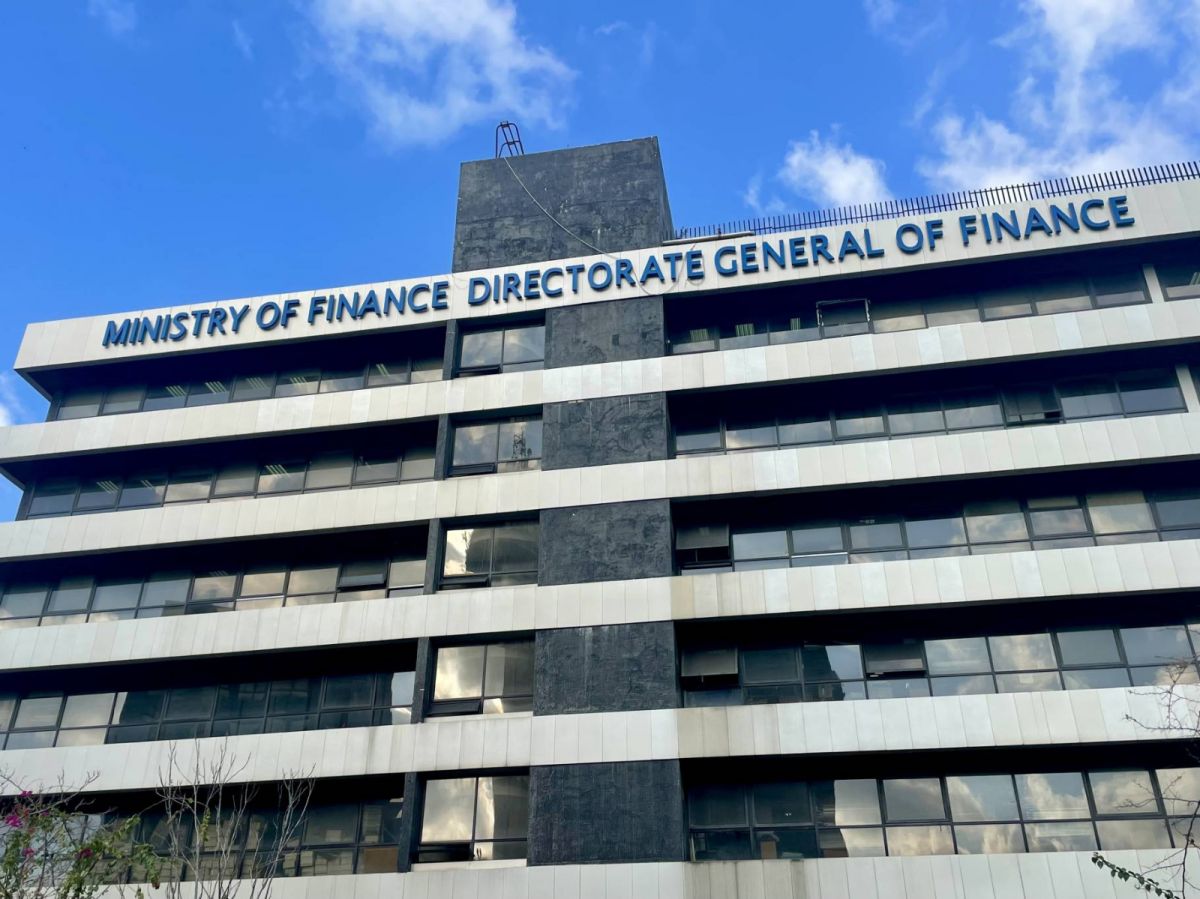
The headquarters of the VAT administration in Beirut. (Credit: Philippe Hage Boutros/L'Orient Today).






BEIRUT – “Credit Default Swaps,” or “CDS” as finance people coin it. A technical term that came to know a buzz during the heights of Lebanon’s economic crisis, sometimes sparking public curiosity – or even fueling various theories on social media.Essentially, a CDS is a type of insurance that investors buy to hedge against a potential debt default by a debtor institution – in this case, the Lebanese state – in which case the holders of these financial swap agreements receive compensation worth the amount of their Eurobond investments.Under normal circumstances, the evolution of a CDS premium is mainly tracked by financial experts as a way to gauge investors' perception of country risk. However, with Lebanon’s decision to default on its Eurobonds in March 2020, this took on a different meaning in the eyes of some commentators, who saw...
BEIRUT – “Credit Default Swaps,” or “CDS” as finance people coin it. A technical term that came to know a buzz during the heights of Lebanon’s economic crisis, sometimes sparking public curiosity – or even fueling various theories on social media.Essentially, a CDS is a type of insurance that investors buy to hedge against a potential debt default by a debtor institution – in this case, the Lebanese state – in which case the holders of these financial swap agreements receive compensation worth the amount of their Eurobond investments.Under normal circumstances, the evolution of a CDS premium is mainly tracked by financial experts as a way to gauge investors' perception of country risk. However, with Lebanon’s decision to default on its Eurobonds in March 2020, this took on a different meaning in the eyes of some...