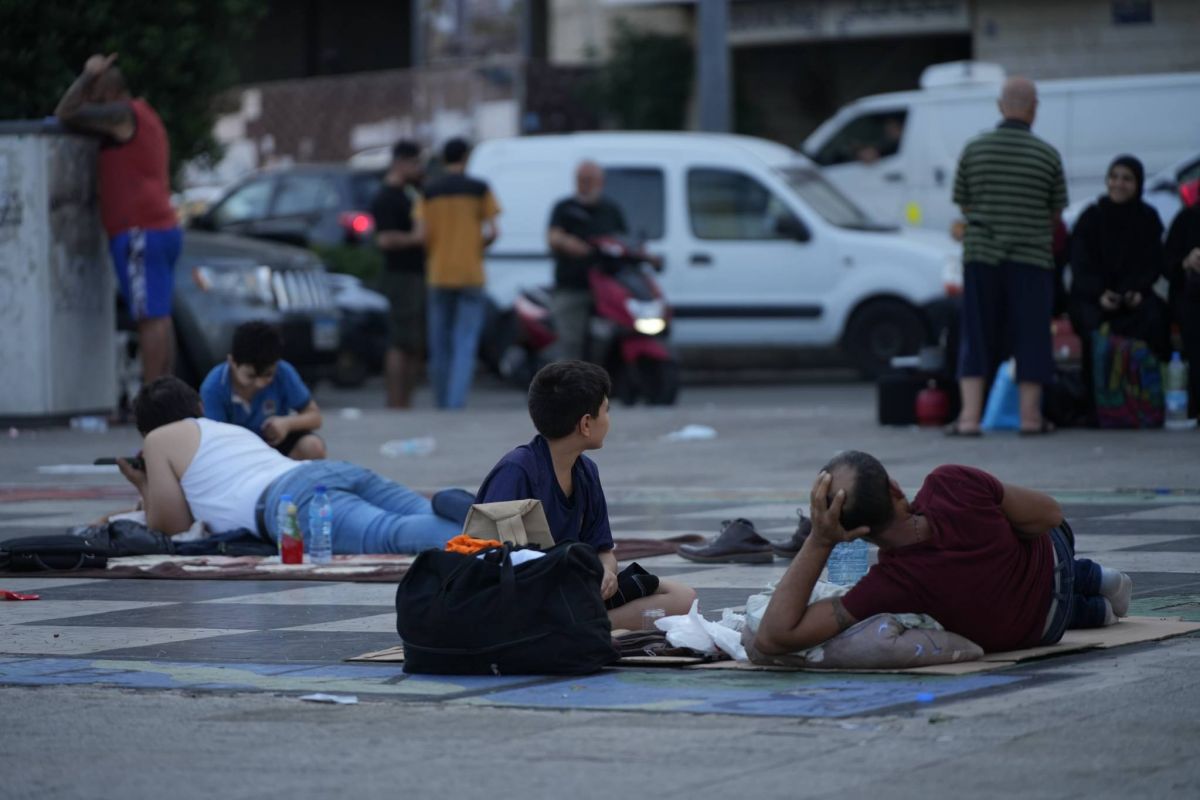
Displaced people on the streets of Beirut. (Credit: Moe Yassine)






Over 2,000 killed, more than 9,700 injured and 1.2 million displaced as a result of brutal Israeli bombardments which have been ongoing since Oct. 8, 2023, and have intensified since Sept. 23. A humanitarian crisis is unfolding before our eyes. The impact of the war will likely linger for years to come, putting tremendous pressure on families that were barely able to get by, five years into Lebanon’s economic meltdown of historic proportions. The war had already cost $1.5 billion in damages by springtime, and the bill is likely to get even higher now.
Today, despite everything, we try to keep you up once again with the latest economic news:
- In an interview with the Voice of Lebanon, Johnny Corm, caretaker telecommunications minister, revealed that "113 stations of the mobile operator Touch are now out of service — 61 for security-related reasons and 15 due to thefts — and 114 stations belonging to the other operator, Alfa." He added that "26 of Ogero’s 266 stations, the official national operator, are also out of service, affecting 15,000 subscribers, or 2.2 percent of total subscribers."
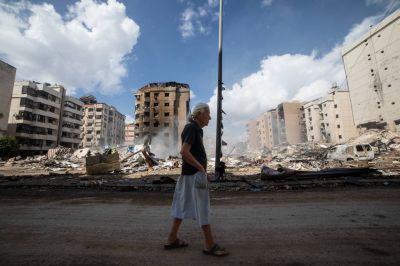
- Real GDP is estimated to contract by 7 percent in 2024, compared to 5 percent in previous estimates. In the spring, most international organizations forecasted modest growth or a contraction of around 1 percent in Lebanese GDP in 2024. This week, the Lebanese Business Leaders Association expressed fears that GDP could contract by 25 percent by the end of the year.
The economy of southern Lebanon, where most of the fighting is concentrated, will be particularly hard hit, with an estimated 20 percent contraction in regional GDP. The tourism sector, which is crucial to Lebanon, is expected to drop by more than 35 percent this year due to growing security concerns. Private consumption is similarly falling, as many Lebanese flee the war-torn country.
-The World Bank (WB) announced on Thursday that it was redirecting funds originally earmarked for development programs in Lebanon to emergency aid for populations displaced by Israeli bombardments in the south of the country. The Bank currently has $1.5 billion in financing for programs underway in Lebanon, covering some 20 projects.
The WB Board also approved a $250 million project, probably in the form of a loan, aimed at developing renewable energies in Lebanon through the restoration of power grid services and support for the continued implementation of reforms — despite the ongoing attacks waged by Israel on Lebanon.
-The Lebanese Ministry of Energy and Water has updated the price scale for the main fuels sold in the country, in an increasingly tense security context. The new scale, published on Friday, shows a slight increase in the prices across the board.
Here are the new prices:

Analysis of the week:
The Israeli assassination of Hezbollah Secretary-General Hassan Nasrallah on Sept. 27, and the wider Israeli offensive in Lebanon, inflicted a series of historic blows on the organization, stripping it not only of its charismatic leader but also of most of its military leadership, part of its communications system and a whole series of arms depots and other strategic facilities.
But if the colossal damage inflicted on the militia’s military and security apparatus and infrastructure is the most obvious, Hezbollah must also deal with the consequences of the conflict on its vast network of economic and social institutions in the country. Faced with glaring difficulties in helping its base, Hezbollah has already begun to turn more and more ostentatiously to the state. Read Mounir Younes’ piece: