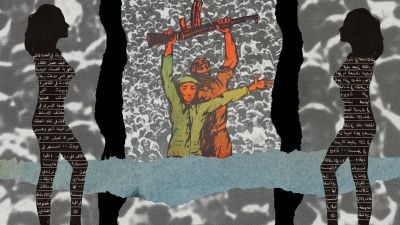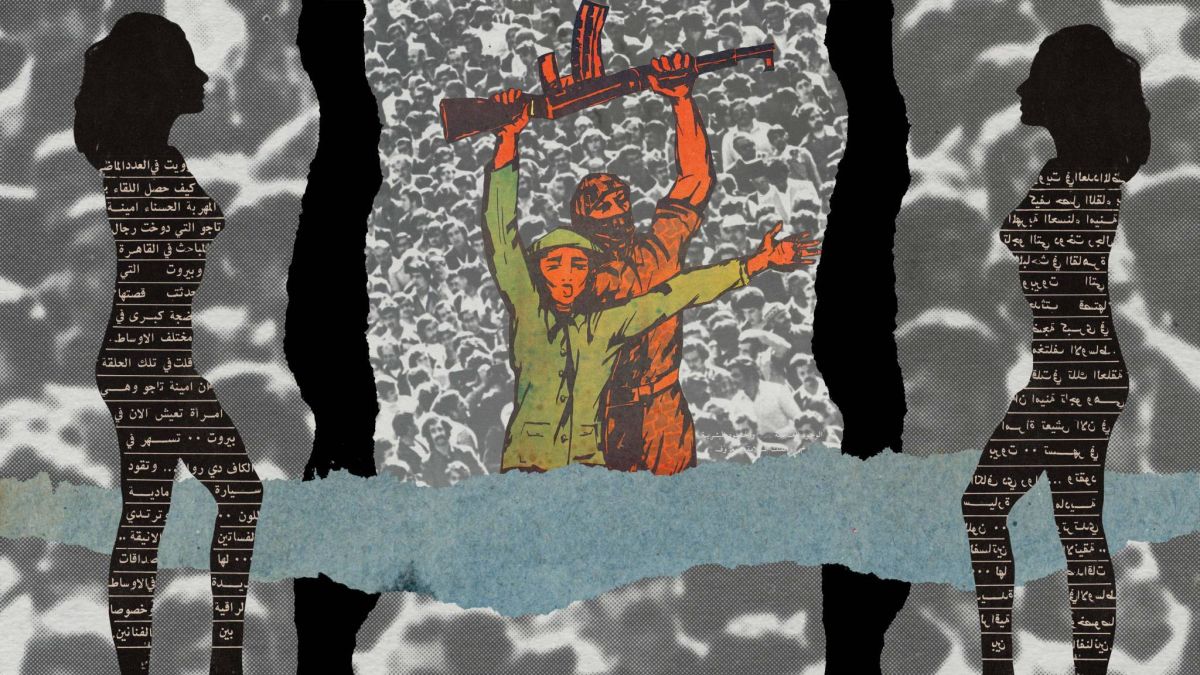
There are no characters in Alfred Tarazi's story. Beirut is. Courtesy of the artist






It takes true lovers of the city and of life to gather with Beirut at Alfred Tarazi's studio in Dora on the evening of Sept. 19, especially as hearts are heavy following a deadly Israeli attack on Lebanon. The artist had planned to screen the first part of his work, A Lover’s Manifesto to Beirut, to a small audience, the product of many years of labor. Tarazi has been immersed in this project for ten years, with support from the late Lokman Slim, UMAM, and Monika Borgmann, the UNESCO Beryt project, and an enthusiastic team of young Lebanese, including his two partners Fady Tabbal and Alaa Fleyfel for sound and animation.
Four more parts are planned, for which funding is needed. This experience is a first — somewhere between a documentary and something more creative, more unique. The artist, originally a graduate in graphic arts, took the liberty of creating his own genre — no clear category, just like the history of this wild city that doesn’t fit into any box but enthralls the narrator, a kind of hakawati, whose voice-over accompanies the layered images, much like the city's many layers. The question he sought to explore in this work is the "role of images in Lebanon’s traumatic history," which he also framed within a broad historical and geographical context.
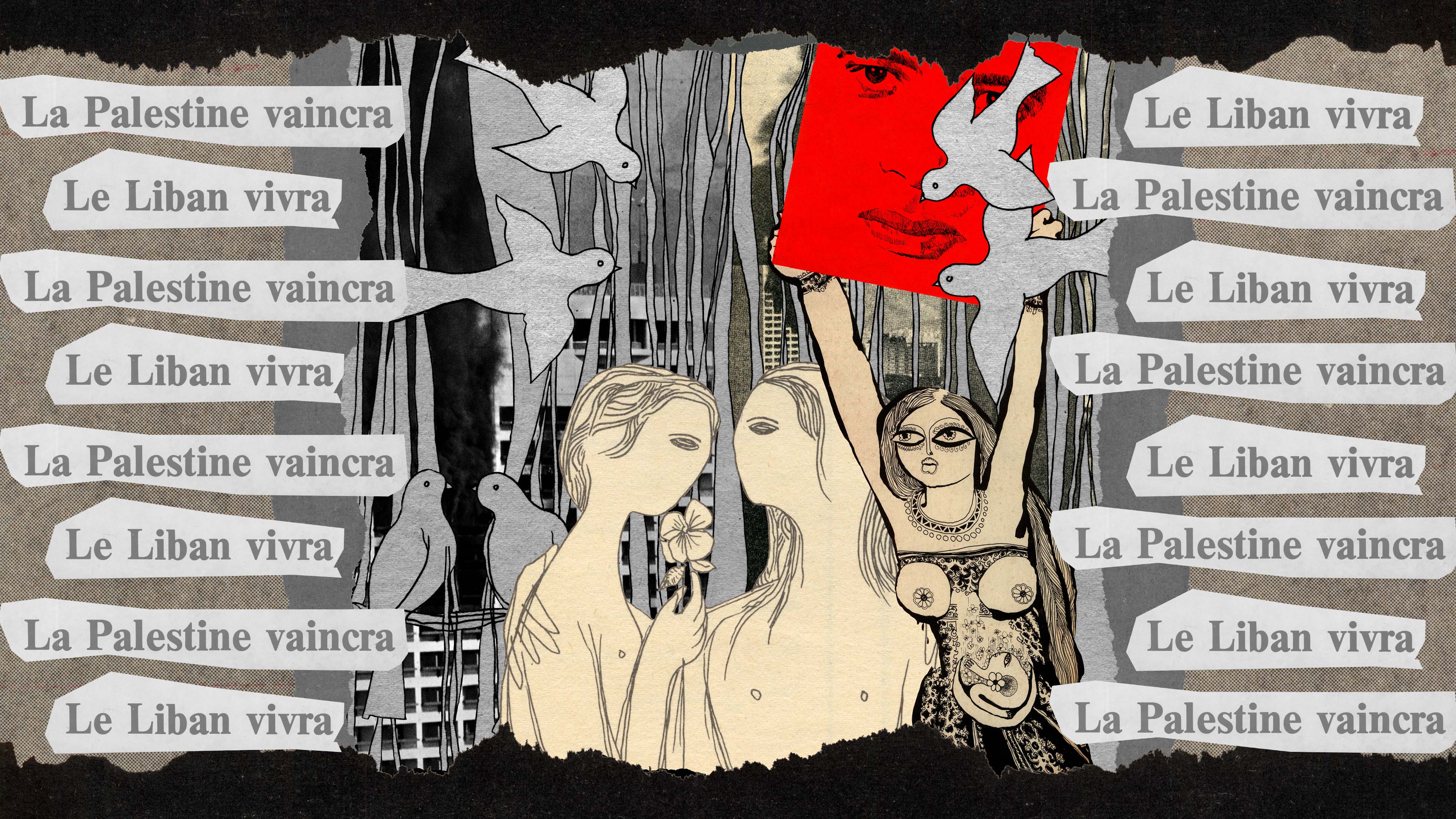
To understand Lebanon’s wars and cycles of violence, which, according to Tarazi, never ended and still continue today, one must look back and intertwine images. There are no characters in the narrative — Beirut itself is the protagonist. Peeling away the layers of history means returning to the origin, delicately, to better understand what makes this crossroads city.
The film begins in the 1930s, projecting images of global events during the Cold War, and continues through the 1980s, showing scenes like slavery and the Vietnam War. An artist sees that we are part of something bigger — a broader movement of the time. What particularly captivates Tarazi is the era of sexual liberation and armed struggle — the time when a Lebanese beauty queen, Miss Universe Georgina Rizk, fell in love with a Palestinian resistance figure, Ali Hassan Salameh, who was later assassinated by Mossad in 1979. Their story becomes the guiding thread of his exploration.
“On both sides, a vast world opened up, a world of ideas that changed the world,” says Tarazi, who sees in the armed struggles of the time — whether in Vietnam, Palestine, or elsewhere — a resistance to the hegemony of the old Western colonial bourgeois order, the harms of which are still clearly felt in today’s fragmented Middle East.
The film, which projects images on three screens simultaneously, draws parallels between a people losing their land and shouting "Free the land" (the Palestinian people) and a population shouting "Free the body." Yes, the sexual revolution reached Lebanon, as evidenced by numerous images of women in bikinis and the colorful pages of the golden age of the Lebanese press. Since then, it has left, along with the joy that freedom brings.
“I understood how much the phenomenon of armed struggle is a cultural phenomenon that spanned the globe during the Cold War, especially in the Third World,” the artist continues. While he concedes that it was Third World divisions that benefited the West, he also points out the West’s “double standards,” applying the democratic values it promotes only to itself. Current crimes against humanity in the region — sometimes with the tacit or insidious cover of the international community — will only fuel future violence, according to Tarazi. Before they were torn apart, these cities were beautiful and abundant; the magnificent images of Jerusalem and Beirut shown in the film pay homage to them and to a certain state of mind. This was before they were usurped and covered in concrete.
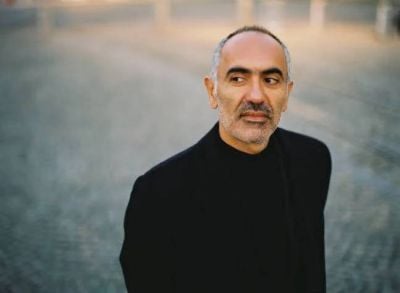
In this context, beyond the aesthetic interest, A Lover’s Manifesto serves to remind us of our heritage and the need to preserve it, as it carries certain values and a particular culture. "All this heritage is threatened with disappearance, including the archives of Télé Liban, which were recently the subject of a digitization agreement between the Ministry of Information and UNESCO, as well as Studio Baalbeck, sound recording studios, and others. The history of Arab modernity ended up in the trash because we didn’t know how to preserve it," emphasizes the artist, reminding us that all the great Lebanese artists worked at some point for the press, whether in illustration or calligraphy.
He cites, for instance, Diran Agemian, the father of caricature in Lebanon in the 1930s, who worked for more than thirty publications, including Dabbour, as well as Aref al-Rayes, Seta Manoukian and Paul Guiragossian.
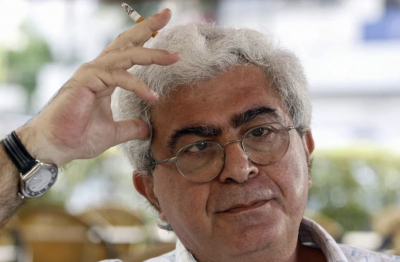
For Tarazi, this work is also an opportunity to map Lebanese artists, noting that “at that time, they could make a living working for the press.” Since the press was handmade, everything was composed for printing: colors, photos, and calligraphy. It featured brilliant and recognized artists, both in print and popular culture. "I see immense value in preserving them to create a portrait of that era," says the artist, who insists on the urgency of “a policy of memory preservation.” "Otherwise, what previous generations produced and wrote will end up in the trash, and we with it," he warns.
“There really must be an awakening that can create a cultural revival to preserve the essential place Lebanon occupies in the Middle East.”
Perhaps never more than today have this engaged forty-something’s words been more necessary, at a time when everything we are is threatened with disappearance, amid savage violence and general indifference. Is this the power of love in A Lover’s Manifesto — to continue to caress, probe, and unfold a story... an imaginary one? Its power, in any case, lies in being creative, and one can only hope that this work travels beyond borders to remind us of the true history of the Levant and save what can still be saved of this unique territory.
Alfred Tarazi presents an installation as part of the inaugural exhibition "Portes et Passages" of the Nouhad es-Said Pavilion, the new wing of the National Museum. It was scheduled for Sept. 18 but was postponed due to current events.