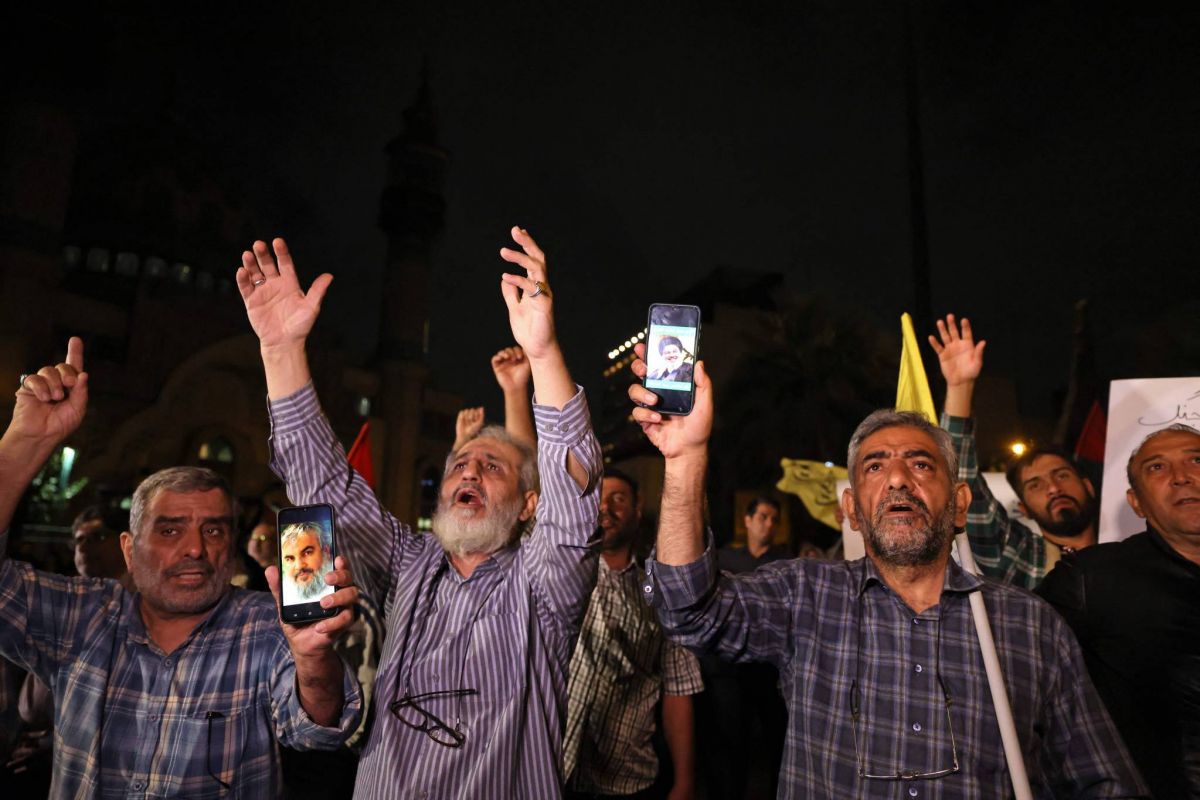
Protesters in Tehran hold up photos of Hezbollah leader Hassan Nasrallah following the Israeli strike on the southern suburbs on Friday, September 27, 2024. Photo credit: ATTA KENARE / AFP






The Israeli army announced on Saturday that it had succeeded in assassinating, in a lethal strike on the southern suburbs of Beirut the day before, the all-powerful secretary-general of Hezbollah, Hassan Nasrallah. An event whose shockwaves are likely to be felt across the region, as Nasrallah was a key figure in the pro-Iranian axis. He is sometimes even described as the number two in this camp, behind Supreme Leader Ali Khamenei.
During the night from Friday to Saturday, the southern suburb, a Hezbollah stronghold and densely populated area, was bombarded throughout the night. But on Hezbollah’s side, it’s radio silence. The party's media,such as its al-Manar channel or the al-Ahed website, do not mention Israeli allegations about this assassination or the uncertainty about Hassan Nasrallah's fate.
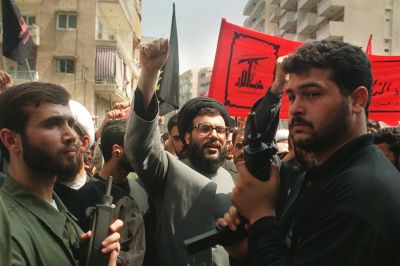
On the contrary, these two outlets continue their coverage of the war as if nothing had happened. Similarly, the party's official communication channels simply announce the various operations it is conducting against Israel. A resounding silence that raises many questions.
What we know
After the violent Israeli strike on Friday against the southern suburbs of Beirut, which, according to Tel Aviv, targeted the party's headquarters, sources close to Hezbollah told Reuters that the organization had lost contact with its leader. At the same time, other party insiders, such as journalist Faisal Abdel Sater, claimed that Hassan Nasrallah was still alive. The next day, the Israelis announced they had evidence of the "success" of their operation, which Hezbollah has not commented on.
The hypotheses
Hezbollah's silence regarding the fate of its secretary-general could simply be due to the fact that the party itself does not know if Hassan Nasrallah has survived the strike or not. This is reminiscent of the assassination by Israel of the chief of staff of the organization, Fouad Chukur, last August. It took a day for his body to be found and his death confirmed. In the meantime, contradictory information was constantly circulating.
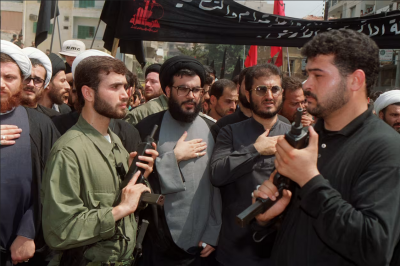
Hezbollah has all the more reason to refrain from making statements on the subject since Nasrallah has developed, over his years at the head of the powerful Shiite organization, an almost divine image in the eyes of his most loyal supporters. Announcing uncertainty about his fate, or even his death, could cause panic and mobilization in the streets, especially in Shiite regions that have been continuously bombarded by the Israeli army since Friday evening.
Another hypothesis that circulates, particularly in circles close to the organization, is that Hassan Nasrallah is still alive, and his silence is therefore a tool of "psychological warfare" against Israel. These circles particularly recall the July 2006 war, during which Hassan Nasrallah broke a three-day silence with a speech. He announced, live, a missile strike on an Israeli warship deployed in Lebanese waters. "Watch it burn," he exclaimed, in a speech forever etched in history.
A third hypothesis can be put forward: that the party is completely overwhelmed by events. If the death of its leader is confirmed, the entire command would have been decapitated. Hezbollah is probably awaiting instructions from its Iranian patron before reacting. But on Tehran's side too, there is radio silence.