






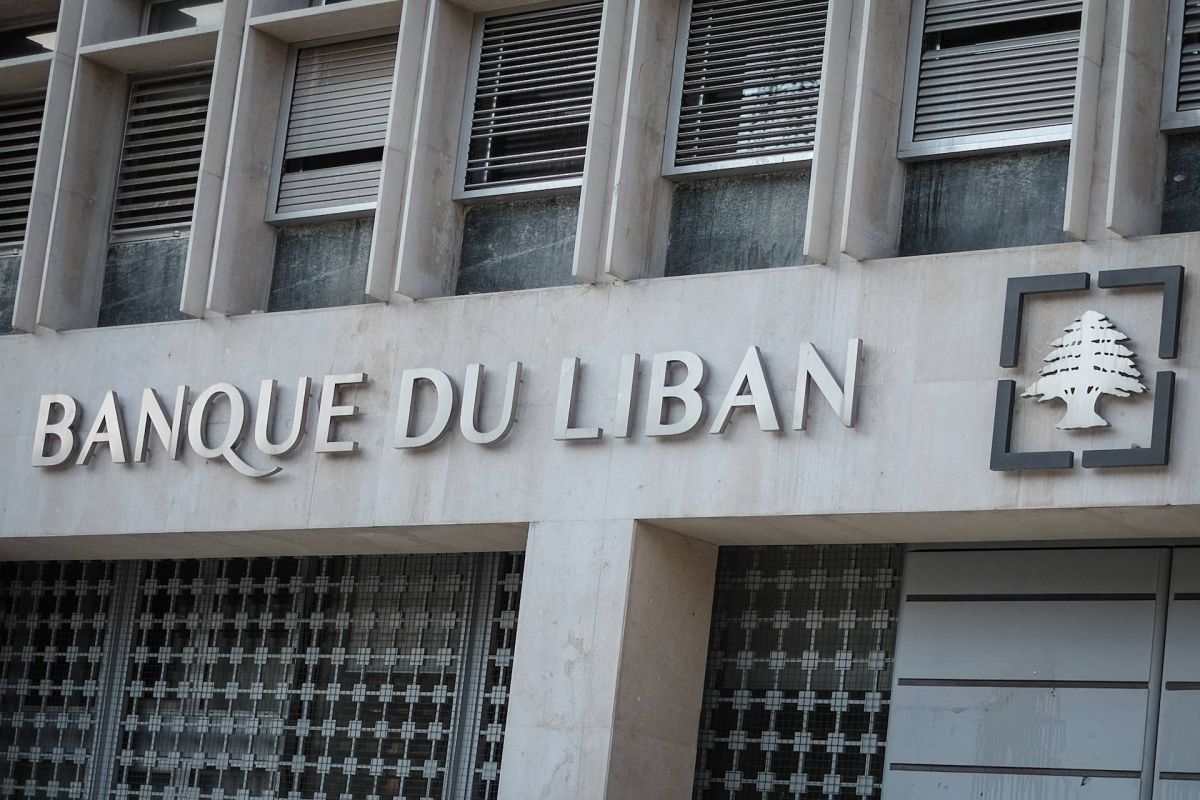
Banque du Liban's building in Hamra. (Credit: Joao Sousa/ L'Orient Today)






BEIRUT –Between July 2023, when Banque du Liban's first vice-governor, Wassim Manssouri, became the institution's acting governor, and December 2023, the country's foreign reserves have risen from $8.573 billion to $9.321 billion, according to the BDL's interim balance sheet and appendices published on Thursday.
This represents an addition of $748 million, or an 8.7 percent increase, to the country's reserves, in 5 months.
This excludes gold, which stands at almost $19.2 billion in value, according to our calculations using the figures provided in Lebanese pounds and the official exchange rate of LL15,000 to the dollar.
It also excludes the $5.03 billion worth of Eurobonds, which Lebanon defaulted on in 2020, and which are currently worth less than a tenth of their face value.
Behind the increase in foreign reserves
According to Nassib Ghobril, Director of Byblos Bank's Research Department, several factors explain the increase of foreign reserves, despite the persistent economic crisis and the fallout from the war in Gaza:
- First, since the arrival of the interim governor, the BDL has refused to use its reserves to finance the State, a message put forward by the institution on several occasions;
- Then there's the fact that the BDL places part of its reserves abroad, where interest rates have been raised enormously, notably in Europe and the United States, in an inflationary context;
- With the collapse of the Lebanese pound and the paralysis of the banking sector, exacerbated by the lack of reform, the economy has become almost totally dollarized, while transfers to Lebanon have not collapsed despite the war;
- Businesses sell part of their dollars to pay taxes, which have been gradually adjusted to the market exchange rate since the end of 2022, after being stuck for a long time at the former official rate of LL1,507.5 to the dollar that was decimated by the crisis that broke out in 2019.
- Finally, it is also very likely that the BDL and the authorities have somehow managed to control the networks of foreign exchange agents in the country, thus limiting speculation in an economic and financial ecosystem that is still in crisis, and in which banks, who lend little-to-nothing, are struggling to attract sufficient capital and investments.
While Wassim Manssouri had made it a point to communicate more than his predecessor about the amount of reserves, it seems he has been publishing much less details lately, noticed Ghobril.
"For example, it is not possible to deduce from the data in the interim balance sheet whether there is anything left of the over $1.1 billion in Special Drawing Rights (SDRs) granted by the International Monetary Fund (IMF), of which there was very little left at the end of September, " he adds.
This article was published first in L'Orient-Le Jour. Translated and adapted by Stephanie Bechara.
