





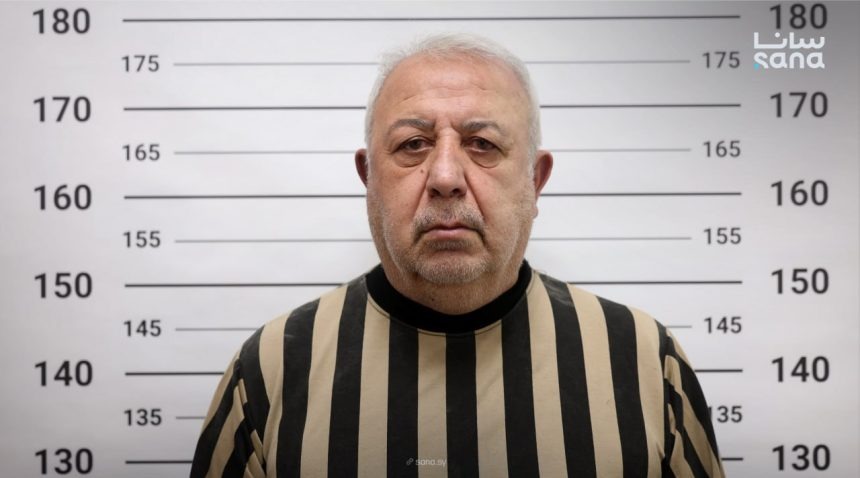
Mihrac Ural, a Syrian of Turkish origin also known as "Ali Kayali" and one of the instigators of the 2013 Banias massacre in Syria, in a photo published by the authorities after his arrest on Oct. 17, 2026. (Credit: SANA)






It is May 2, 2013, in the midst of the Syrian civil war. Mohammad Obeid is in his phone shop in Banias, in the coastal province of Tartus, when he senses something is wrong. No customers come in, and the streets are empty. Outside, he spots a large convoy of armored vehicles, pickup trucks mounted with machine guns, Assad regime intelligence vehicles and buses. Bayda, a predominantly Sunni village on the outskirts of the city, is under attack. Soon, Obeid hears bombing and sees columns of smoke.The videos he filmed that day and shared with L’Orient-Le Jour document the horrors inflicted on the small town: houses set on fire, animals feeding on corpses in the streets. The massacres spread to the neighboring villages of Ras al-Nabeh and Basateen, around Banias. The highly revered Syrian Network for Human Rights reported that 458 civilians...
It is May 2, 2013, in the midst of the Syrian civil war. Mohammad Obeid is in his phone shop in Banias, in the coastal province of Tartus, when he senses something is wrong. No customers come in, and the streets are empty. Outside, he spots a large convoy of armored vehicles, pickup trucks mounted with machine guns, Assad regime intelligence vehicles and buses. Bayda, a predominantly Sunni village on the outskirts of the city, is under attack. Soon, Obeid hears bombing and sees columns of smoke.The videos he filmed that day and shared with L’Orient-Le Jour document the horrors inflicted on the small town: houses set on fire, animals feeding on corpses in the streets. The massacres spread to the neighboring villages of Ras al-Nabeh and Basateen, around Banias. The highly revered Syrian Network for Human Rights reported that 458...
