





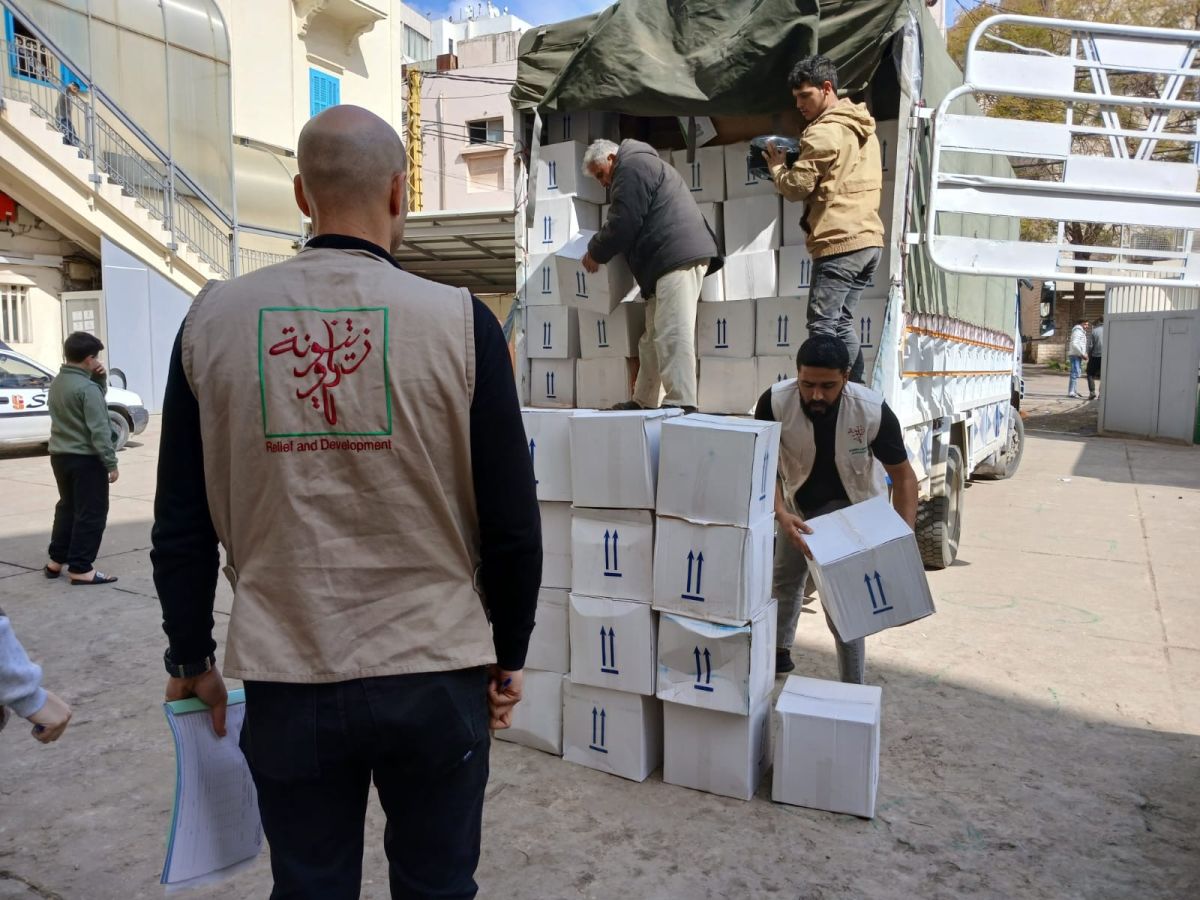
Volunteers from the NGO Basmeh & Zeitooneh load aid packages, in March 2026, intended for people displaced by Israel's war on Lebanon. (Photo provided to L'Orient Today by Basmeh & Zeitooneh)






BEIRUT — Children in Lebanon are going hungry, missing health care and dropping out of school as four in five households struggle to meet their basic needs, according to a UNICEF report published Wednesday.
The report, entitled "An Enduring Nightmare," found that 22% of households surveyed said their children had gone to bed hungry, while only 10% of households with children under 5 were able to provide them with a sufficiently nutritious diet. Meanwhile, 31% of households said their children had gone without needed health care, mainly because their families could not afford it, while 14% reported that at least one child was working — more than twice the proportion recorded in January 2025.
“Children and young people in Lebanon are being asked to bear a burden no child should have to carry,” said Marcoluigi Corsi, UNICEF's representative in Lebanon. “Families are being pushed to the brink, while children are missing health care and education, being pushed into work and experiencing profound psychological distress. Without urgent and sustained action, these pressures are shaping their lives for years to come.”
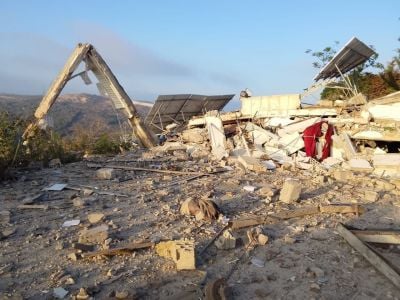
The war has notably taken a heavy toll on Lebanon's children. Since March 2, Israel has killed at least 261 children and wounded 1,056 others, according to UNICEF, resulting in an average of seven children killed or injured every day over six months. The agency estimated that 12% of injured children are now living with a disability.
Education severely disrupted
Israel has damaged or destroyed some 436 schools, leaving around 100,000 children without recourse to a classroom, UNICEF said. Israel has also killed or injured eighty-six teachers.
At the household level, 46% reported cutting education spending and 17% said their children had stopped attending school. Among children who remained in school, 29% were unable to learn as expected, often because of difficulty concentrating and emotional distress.
UNICEF warned in July that at least 100,000 Lebanese students could be unable to attend school if urgent action was not taken to rehabilitate schools damaged during the war. The agency cited an Education Ministry survey that recorded 340 damaged school buildings, including 17 that were completely destroyed. The new assessment also found that an estimated 770,000 children have experienced psychological distress over the past six months.
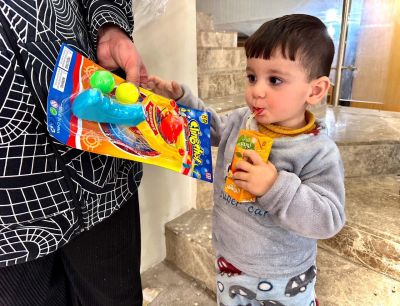
More than half of households said their children’s emotional well-being had worsened, while 63% reported that their children were anxious or nervous. Young people are also facing shrinking opportunities. An earlier UNICEF assessment this year found that only 22% of people aged 18 to 25 were in school or university, largely because of financial barriers, while 67% were unemployed at the time of the survey.
'An entire generation' at risk
UNICEF said it has intensified its humanitarian response since January, including treating injured children, delivering supplies to shelters and medical facilities and providing care to displaced families.
“Without urgent and sustained action, an entire generation of children and young people risks carrying the scars of this crisis into adulthood,” Corsi said, noting that "Lebanon’s recovery depends on protecting children now and upholding their right to health care, education, protection, and the opportunities they need to build their futures,” he added.

 7 p.m. recap: Iran warns Egypt, Israeli soldiers vote in south Lebanon, Haret Hreik responds to Kataeb