






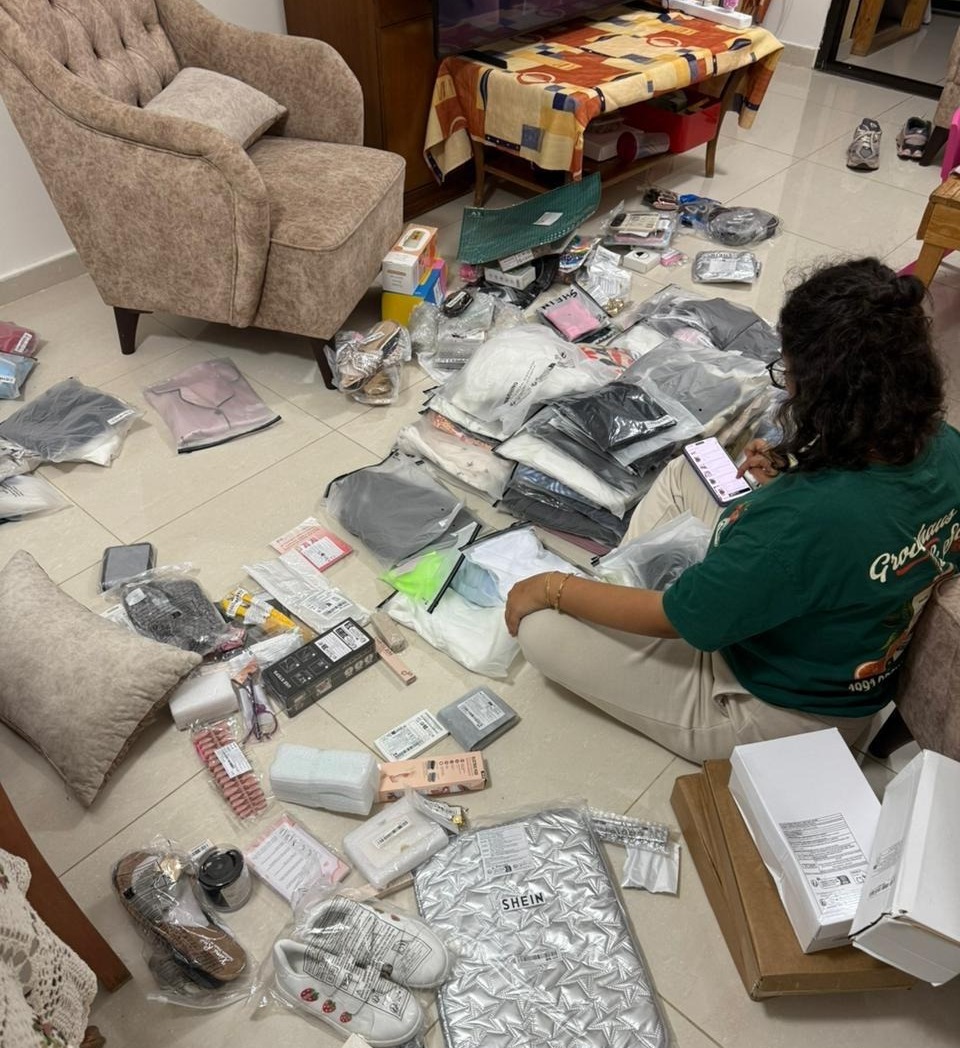
Lara Dbouk, a speech therapist and owner of 'Shein by Lara,' in her home unpacking and organizing a Shein shipment. (Photo sent by Dbouk to L'Orient Today)






BEIRUT — When the war on Lebanon crippled Lara Dbouk's speech therapy practice in Sour, southern Lebanon, in 2024, her regular income vanished. The resumption of fighting between Israel and Hezbollah in 2026 made it even harder to maintain her work. That's when the young woman's side hustle, launched in 2021 following the country's economic collapse, became a lifeline: ordering products online from the Chinese giant Shein for local businesses and individuals.
The concept is simple: independent sellers place SHEIN orders for customers, who send links, screenshots, or shopping carts. Sellers pay using international bank cards, arrange for the goods to reach Lebanon and receive payment from customers. Some charge service or delivery fees, while others resell products at a markup. These sellers are not a formal SHEIN Lebanon branch or franchise. They operate independently, often using social media and personal networks to find customers.
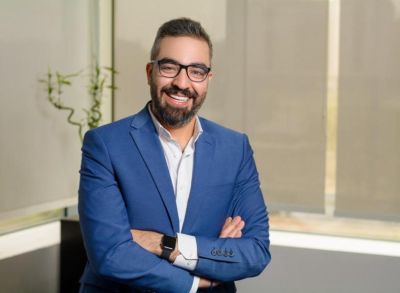
In 2021, Lara Dbouk initially ordered Shein items for her family and friends. When friends of friends and other acquaintances started asking her to place orders, she saw an opportunity to turn this demand into extra income. This led her to create an Instagram page, "Shein by Lara." Today, according to estimates provided by the speech therapist via social media, several hundred Lebanese women have joined this activity.
An online business under offline rules
Dalia Hasanen, another Lebanese Shein seller, earns around $500 a month, which she uses to help pay for university. Her customer, private tutor Sally Dandashli, orders through Hasanen because she does not have a bank card that allows international online purchases. “Shein has cheaper clothes, so I can have a lot more affordable clothes this way.” Sellers can also use Shein discounts, coupons, promotions, and gift cards to reduce costs.
They also carry the risk of customers refusing orders after they have been placed. Dbouk recalled one customer who ordered around $600 worth of products and later refused to take them because of a $4 delivery charge. Hasanen recalled another customer who ordered more than $400 worth of clothes and accessories for her boyfriend. Before the shipment arrived, the couple broke up. “She refused to take the order and blocked me when I insisted,” Hasanen said. “I tried to sell them back to other people, but it took months.”

The business also raises questions about how Lebanon treats online commerce. A Finance Ministry source who spoke to L’Orient Today on condition of anonymity said there is no separate tax specifically for online sellers. Regularly buying or importing goods for resale at a profit can constitute commercial activity, regardless of whether the seller operates through Instagram, WhatsApp, TikTok, or a physical shop. “With respect to electronic transactions, what applies to ordinary commerce applies to e-commerce,” the source said. The ministry does not maintain a separate database of SHEIN sellers and cannot say how many operate in Lebanon or how large the market is.
Shipping is another part of the business equation. Dbouk said she has used warehouses in the United Arab Emirates and other regional countries to reduce costs. Shipping directly to Lebanon could cost around $12 per kilogram, she said, compared with about $7.50 through a regional warehouse and shipping company. The 2026 war later complicated those routes by disrupting flights. Dbouk increasingly relied on land routes, which took longer to process.
