





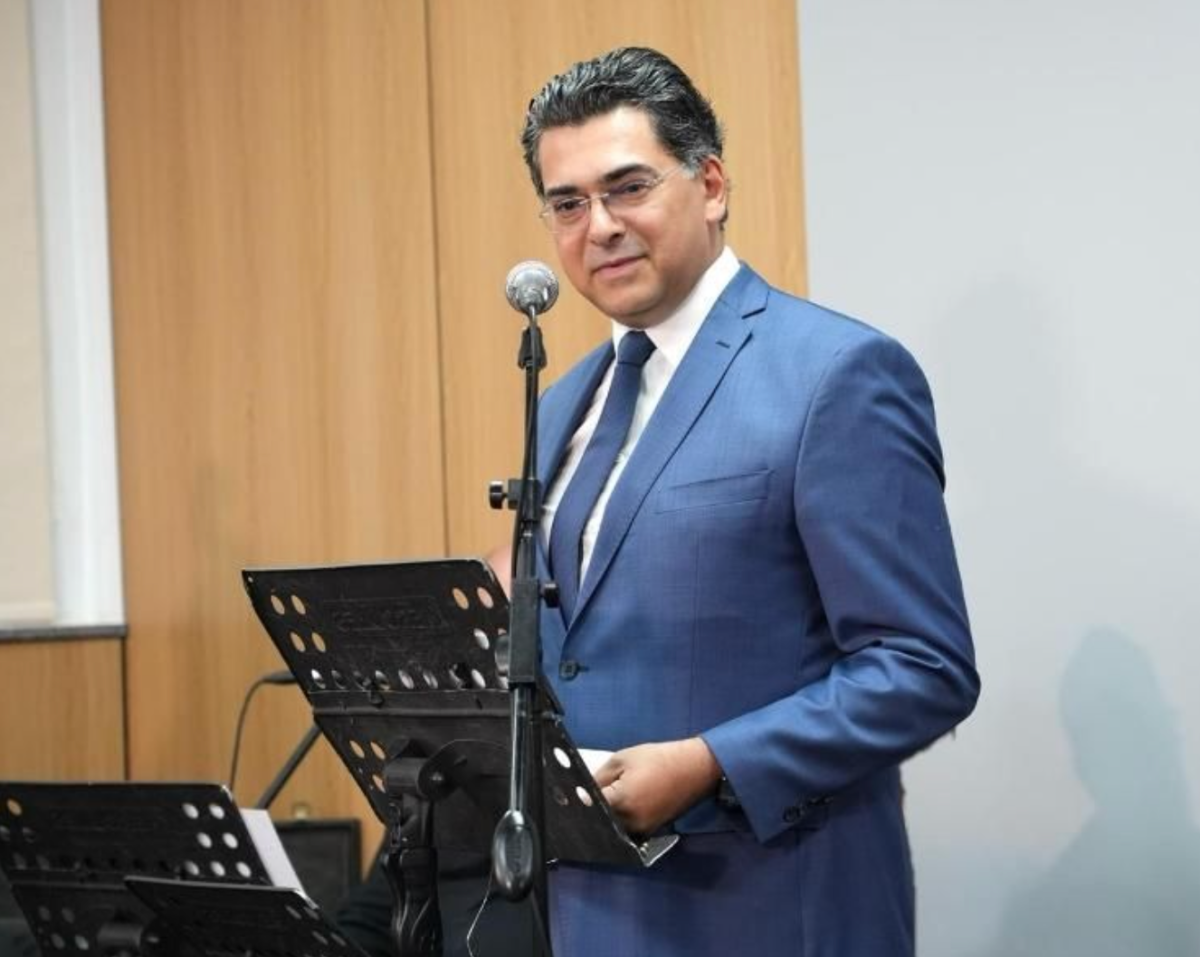
Information Minister, Paul Morcos, at an event at Radio Lebanon, on June 4, 2026. (Photo: Information Ministry)






After the adoption of the new media law in Parliament on Tuesday, a wave of protests erupted for various reasons, notably among Lebanon's Press and Editors' Syndicates, which held a press conference the following day. However, the declaration by Information Minister Paul Morcos on Thursday, stating his intention to propose a new urgent bill with the amendments demanded by a large part of the media sector, could pave the way for a resolution.
Why did Morcos choose to take this initiative just two days after the adoption of the new law? It should also be noted that this legislation, despite the criticisms levied against it, remains a first in the Lebanese media landscape and has equally received praised, especially from international bodies, because it modernizes the outdated text of the printing law (last amended in 1994).
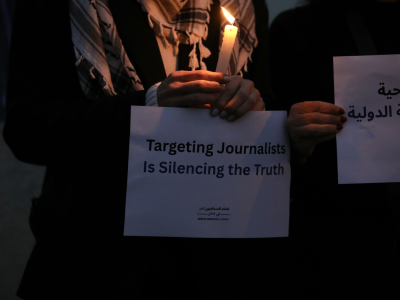
The adopted law was supposed to address the problems currently facing the media sector. However, it drew ire amongst most media professionals over three particular articles: Article 104, which reintroduces prison sentences for journalists; Article 115, which allows for the multiplication of press unions; and Article 74, which foresees the creation of a national information commission composed of 10 members, six chosen by Parliament and four by the Cabinet. These are important points as they concern journalists' freedom of action.
This is where Morcos's project comes into play. It is therefore expected to take into account the demands of both the press syndicate (media owners) and the writers' syndicate (journalists). A core group has formed around the minister for this purpose, which includes, among others, Deputy Speaker Elias Bou Saab and MPs such as Georges Adwan, Paula Yaccoubian, Adib Abdelmassih, Waddah Sadek, and Ibrahim Moussawi.
An agreement had been reached last Monday between these MPs, the minister, and the two unions, on the eve of the vote, but the amendments demanded by the latter were ignored at the last minute. Morcos, moreover, did not have time to finish his speech, and the debates were kept to a strict minimum. Immediately after the law was voted on, media professionals launched their campaign in protest. The outcry was not limited to local players. Numerous international bodies expressed their opposition to the reintroduction of prison sentences for journalists, while at the same time congratulating the minister for this law, which constitutes a step forward on many points.
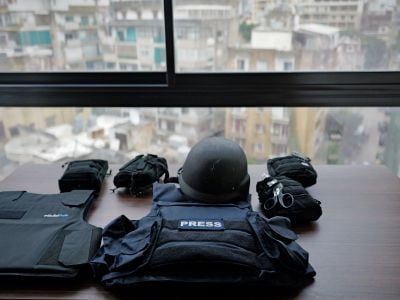
Morcos therefore responded by announcing on Thursday his intention to prepare a new bill containing the expected amendments. In doing so, he seeks to take back the initiative and show that it is up to the ministry to do what is necessary to fill the gaps in the law. In this approach, the president will be able to sign the adopted law without problem and wait for the new draft to be approved by Parliament to sign it as well. This would help contain the outcry provoked by the adopted text and resolve the issue of Article 104.
Parliamentary sources following this case confirm that this article was the most discussed, including by international bodies. Therefore, rather than let the law be marred by this article and allow the wave of criticism to grow, Morcos is opting to act to smooth out the brewing conflict. According to him, this procedure should not pose any problem, even if it may seem somewhat strange that just after a law is voted in, it is decided to prepare an appendix to it, since it is not just about amending the contested articles but also about adding amendments related to his ministry, notably grouping public media on the same platform and granting the minister a grace period during which he could issue the necessary implementing decrees of the law. All this should be included in the supplement currently being prepared.
This article originally appeared in French on L'Orient-Le Jour.

 Evening recap: Netanyahu announces West Bank offensive; 7 killed in Jordan church shooting; tents burned in south Lebanon
 US strike on Iran this weekend? ‘Absolutely,’ says Barrack; ‘I have no idea,’ says Trump