



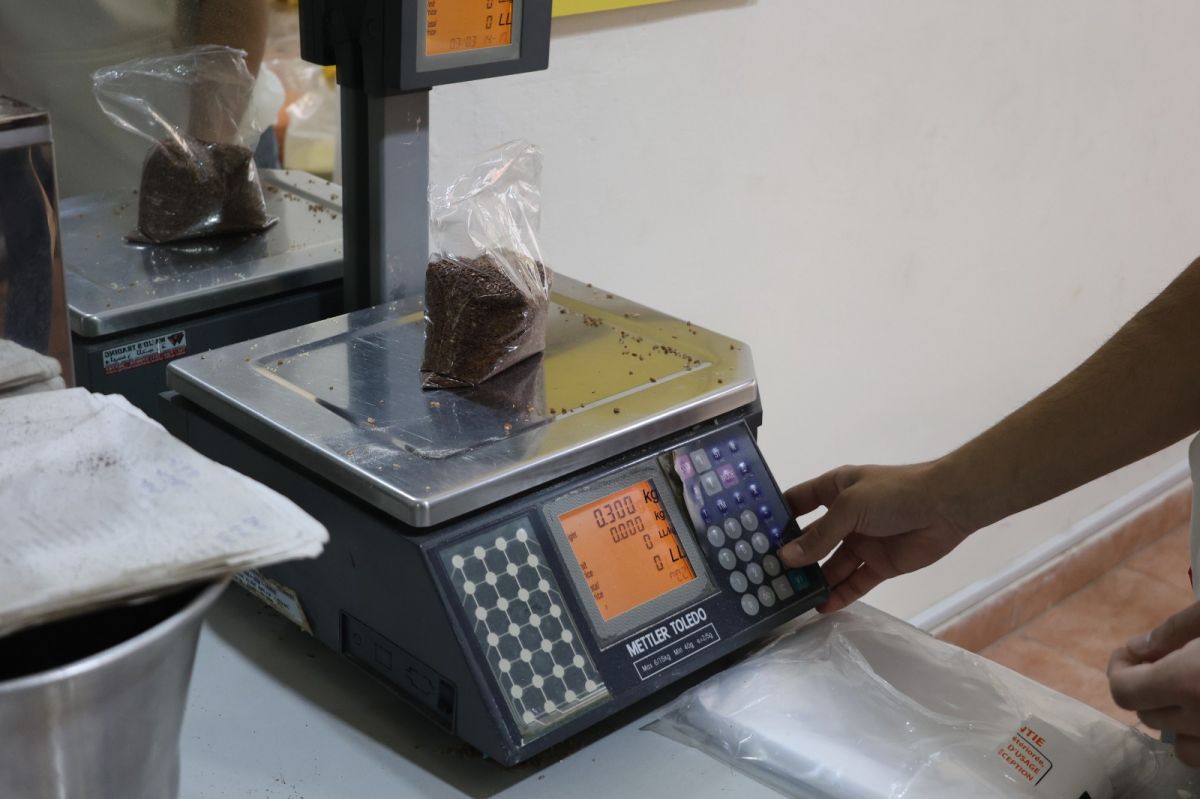
Shopkeeper ways a bag of lentils, on March 3, 2026. (Credit: Renee Robledo-Davis)






In Furn al-Shubbak, a predominantly Christian neighborhood close to the majority Shiite southern suburbs of Beirut, the smell of freshly baked mana'ish still drifts through the morning air. But beneath the comforting aroma, tension simmers.
Nearly 72 hours into full-scale war and almost continuous airstrikes pounding Beirut southern suburbs, shopkeepers and residents in this area are adjusting, again, to the rhythm of war.
Inside his small bakery, Elie Jaber moved between trays of dough as he had been for nearly 40 years. War, he said, is something he learned to measure in sacks of flour and cylinders of gas.

“A year and a half ago, yes, we made some stocks,” he said, referring to the September–November 2024 war. “Now we stopped. We don’t keep big storage anymore.”
The calculations are simple but punishing. “The bag [of flour] was worth $20. Now it is $25, $30, even $40. During the war, everything went up,” Jaber added.
And then there is fuel. “Gas is expensive. When gas becomes expensive, everything becomes expensive,” he continued.

Still, Jaber shrugged, sliding another tray into the oven. “Until now, thank God, nothing happened to us. We continue working.”
A few streets away, supermarket owner Rabih Lichaa stood behind a counter stacked with pasta and canned goods. He opened his shop in 2005 and weathered two previous wars and the COVID-19 pandemic.
“As Lebanese, we are used to it,” he said, steadily. “This is not the first crisis we face.”

Unlike some residents who rushed to stockpile at the first sound of airstrikes, Lichaa said strategy matters more than panic. “We focus on sugar, rice, grains, oil, canned food and pasta. Things that don’t need electricity. People are afraid of electricity cuts. So, we increase products that don’t need refrigeration.”

That concern echoed beyond his shop. The president of the Syndicate of Supermarket Owners, Nabil Fahed, told L’Orient Today that pressure is concentrated in Beirut’s southern suburbs and other areas, including Dekwaneh, Jal al-Dib and Zalka, while foot traffic remains roughly normal elsewhere.
Supermarkets, he said, have about one month of stock, while importers hold three to four months’ worth. Fresh produce continues to come largely from the local market.
But supply lines feel fragile. “If imports stop,” Lichaa warned, “little by little the products will run out.”
His relationships with suppliers have already shifted. “Before, we had agreements, 15 days, one month. Now during the war, they tell you: cash on the spot.”
Charbel Toubiya, a university student who works part-time at a nearby supermarket, observed the same pattern from behind the register. “Not everyone was stocking,” he said. “But people from the South and the southern suburbs of Beirut came and bought necessities.”
What did they buy? “Rice, lentils, pasta, canned food. They were buying enough for at least one month.”
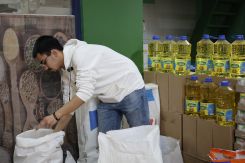
Like Lichaa, he has seen supplier behavior harden. “There are suppliers who wait for this situation to profit. It’s very sad.”
Despite the fear, closing is not an option. “We are a supermarket. We can’t close. People need food.”
In one of those aisles, Josephine Khoury calmly filled her basket with her weekly groceries. She lives alone and was not hoarding. But she said she understands why others are.

“If you have children or older people, of course you stock. It’s normal. People are afraid,” she said. She added, “People were buying 10 kilos of flour, 5 kilos of rice, sugar — everything necessary for the family.”
Her own concern is elsewhere. “I bought medication for two or three months. Not more.”
Like many Lebanese, she has relatives abroad, in her case, France. Leaving would be possible. “But I don’t like to leave. This is my country.”
She spoke softly but firmly: “I’m not afraid. I trust God. He protects everyone.” Faith surfaces repeatedly in conversations here, less as a slogan than as a coping mechanism.
For Maria Hanna, an Iraqi refugee and mother of three, the stakes feel heavier. She stepped out of a shop carrying a bag filled to the brim with bread.
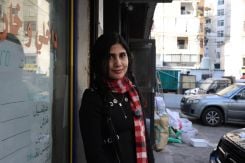
“We left Iraq because of war, looking for security,” she said. “We came here, and now there is no security again.”
Her purchases are practical: “We bought bread, pasta, and things that don’t go bad.” But in the current situation, survival is growing more expensive. “Life is very difficult, especially for families without stable income.”
To add, one of Maria's daughters needs medication, adding to her growing fears. “Medicine is very expensive. I’m afraid it might run out.”
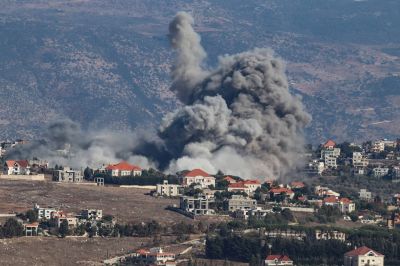
When the recent strikes hit Beirut’s southern suburbs, the explosions were impossible to ignore. “The sound of explosions was very loud. It was very scary for the children.”
Around her, shopkeepers talk about stock levels and diesel supplies needed to power generators and maintain the cold chain. Importers’ syndicate head Hani Bohsali has stressed that fuel oil and diesel availability remains a primary concern, noting that a government crisis cell has been formed to address these fears.
But on the sidewalk in Furn al-Shubbak, the conversation is less about policy and more about endurance.
“We are tired,” she said. “We just want peace.”

 7 p.m. recap: Netanyahu seeks mastermind behind Flydubai incident; Washington sanctions 2 French nationals; Ben Gvir's 'I want to kill you' threat