






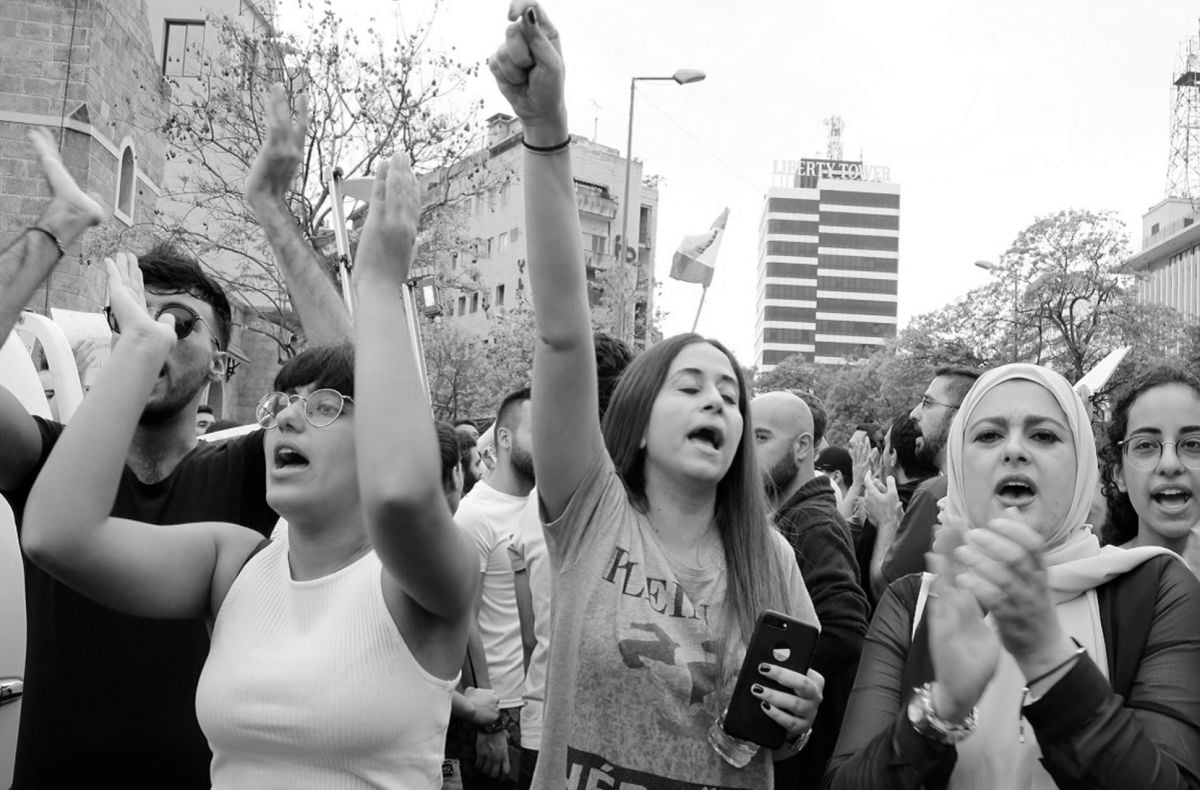
Lebanese women demonstrate for their right to grant nationality to their children. (Archive photo: Anwar Amro/AFP)






Karima Chebbo, director of the campaign "My nationality, a right for me and my family," has been advocating for decades for the right of Lebanese women to pass on their nationality to children born to a foreign father. "I thought we were making progress, but I see us moving backward!" she exclaims over the phone, her voice betraying her emotion. Her dismay is linked to a new requirement added by General Security for granting "preferential residence permits" to children of Lebanese women married to foreigners, now limiting this benefit to children of women who were Lebanese by birth, and not by naturalization (through marriage). This decree No. 4186, however, which grants extended residence permits (four years instead of one) with special conditions, dates back to 2010. At the time, it was considered a...
Karima Chebbo, director of the campaign "My nationality, a right for me and my family," has been advocating for decades for the right of Lebanese women to pass on their nationality to children born to a foreign father. "I thought we were making progress, but I see us moving backward!" she exclaims over the phone, her voice betraying her emotion. Her dismay is linked to a new requirement added by General Security for granting "preferential residence permits" to children of Lebanese women married to foreigners, now limiting this benefit to children of women who were Lebanese by birth, and not by naturalization (through marriage). This decree No. 4186, however, which grants extended residence permits (four years instead of one) with special conditions, dates back to 2010. At the time, it was considered a...

 8 p.m. recap: Israel again threatens Beirut’s south suburbs; 2 ships hit near Hormuz; Riyadh football matches canceled