





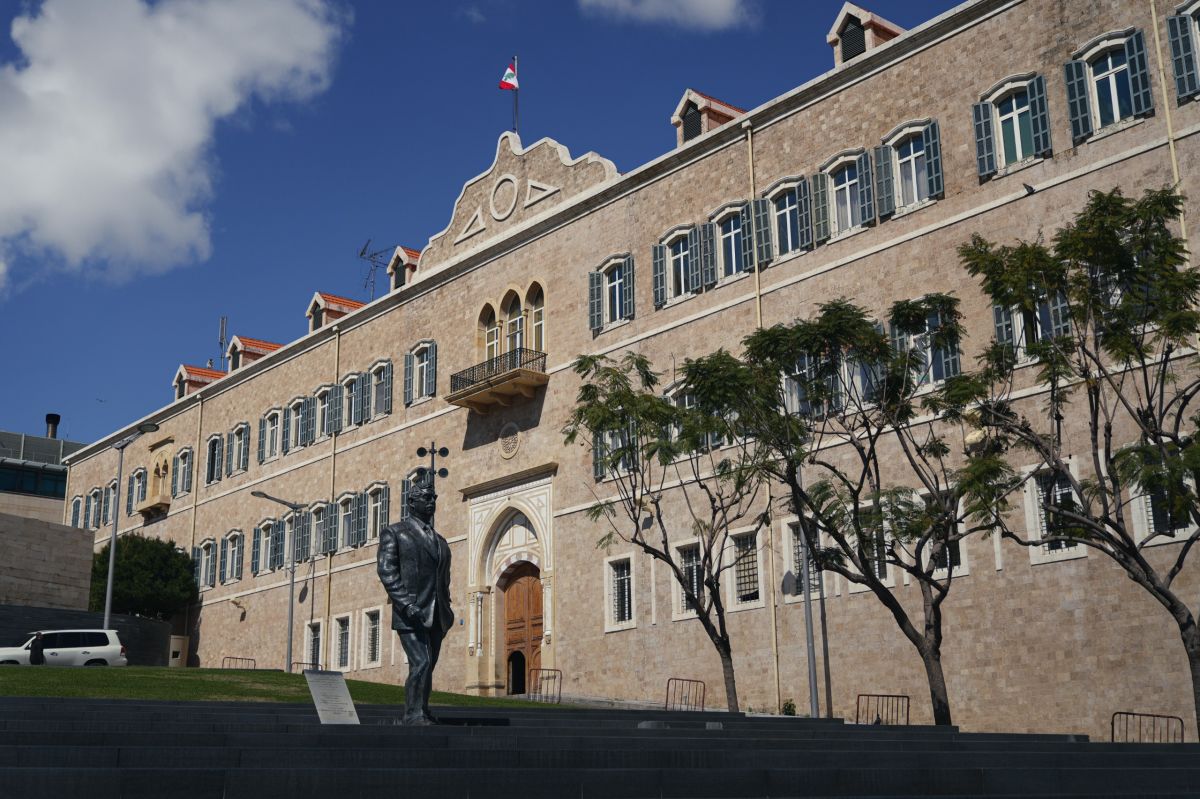
The entrance of the Grand Serail on February 19, 2026. Photo by Mohammad Yassine/L'Orient-Le Jour






The Lebanese Association for the Rights and Interests of Taxpayers (ALDIC) denounced on Sunday the tax measures put forth by the government to finance a new increase in salaries and pensions for civil servants, “warning against the erosion of purchasing power and the deepening of fiscal injustice.”
This criticism adds to the many others voiced since the decision made last Monday by the Cabinet.
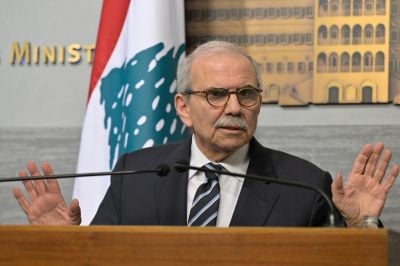
In a statement, ALDIC also called on the government to no longer delay in launching “a comprehensive tax reform” rather than resorting solely to “emergency” and “piecemeal solutions,” while Prime Minister Nawaf Salam assured at a press conference on Friday that this project was underway, without seeming to want to back down on the concrete measures announced, namely: the imposition of an excise of LL320,000 ($3.5) on fuel, a one-point increase in the VAT to reach 12 percent (which must be ratified by law), or the imposition of additional taxes on containers transiting through the port.
ALDIC was involved in the preparation of a draft law reforming the income tax, launched and finalized under the previous government with the help of the International Monetary Fund (IMF) and the World Bank (WB). But this project has since been put to one side in the idle office of the finance minister.

According to ALDIC, the government should have, before resorting to these tax and fee increases, strengthened due and sustainable revenue by:
- Collecting taxes owed and unpaid by large taxpayers, using the penalties and sanctions provided by law.
- Expanding the “tax base” (the number of taxpayers who can be taxed) through field surveys, in cooperation with municipalities and public institutions, alongside the application of Law No. 55 of Oct. 27, 2016, which allows for the exchange of tax information and authorizes authorities to obtain the financial and tax data of residents receiving income abroad.
- Using digital tools and artificial intelligence to detect “undeclared taxpayers, fraudsters, or violators.”
- Standardizing tax identification numbers and digital IDs.
- Revising the current system of exemptions and tax incentives, in particular calling for the removal of benefits granted to airline and shipping companies or banks. However, ALDIC does not oppose the establishment of temporary exemptions to attract investment.
- Increasing the tax on players in sectors exploiting public infrastructure, natural resources, or benefiting from monopolies.
ALDIC also urges the state to intensify its efforts to recover its claims before the statute of limitations expires, whether concerning delinquent taxpayers, owners of illegal quarries who must regularize their situation, or those illegally occupying maritime public property and funds.
In its decision Monday, the government pledged to actively pursue these cases, a commitment repeated by the prime minister in his speech Friday. This effort also concerns unpaid and owed property taxes, and “real estate transactions that must be accelerated to increase revenue and registration fees.”
As indicated by the General Confederation of Lebanese Workers (CGTL) on Friday, ALDIC also calls to “review” tobacco taxes.
On the expenditure side, ALDIC calls for civil service reform, to allow it to become “efficient,” and to reduce the bill related to renting administrative buildings.
Among other things, it believes that the issue of civil servant compensation must be accompanied by administrative reform allowing for the reduction of non-productive civil servants or their redeployment.
It also recommends the adoption of a progressive tax system protecting the most vulnerable sectors, including within the civil service, as well as a concrete fight against fraud and smuggling.
This article originally appeared in French on L'Orient-Le Jour.

 7 p.m. recap: Iran warns Egypt, Israeli soldiers vote in south Lebanon, Haret Hreik responds to Kataeb