






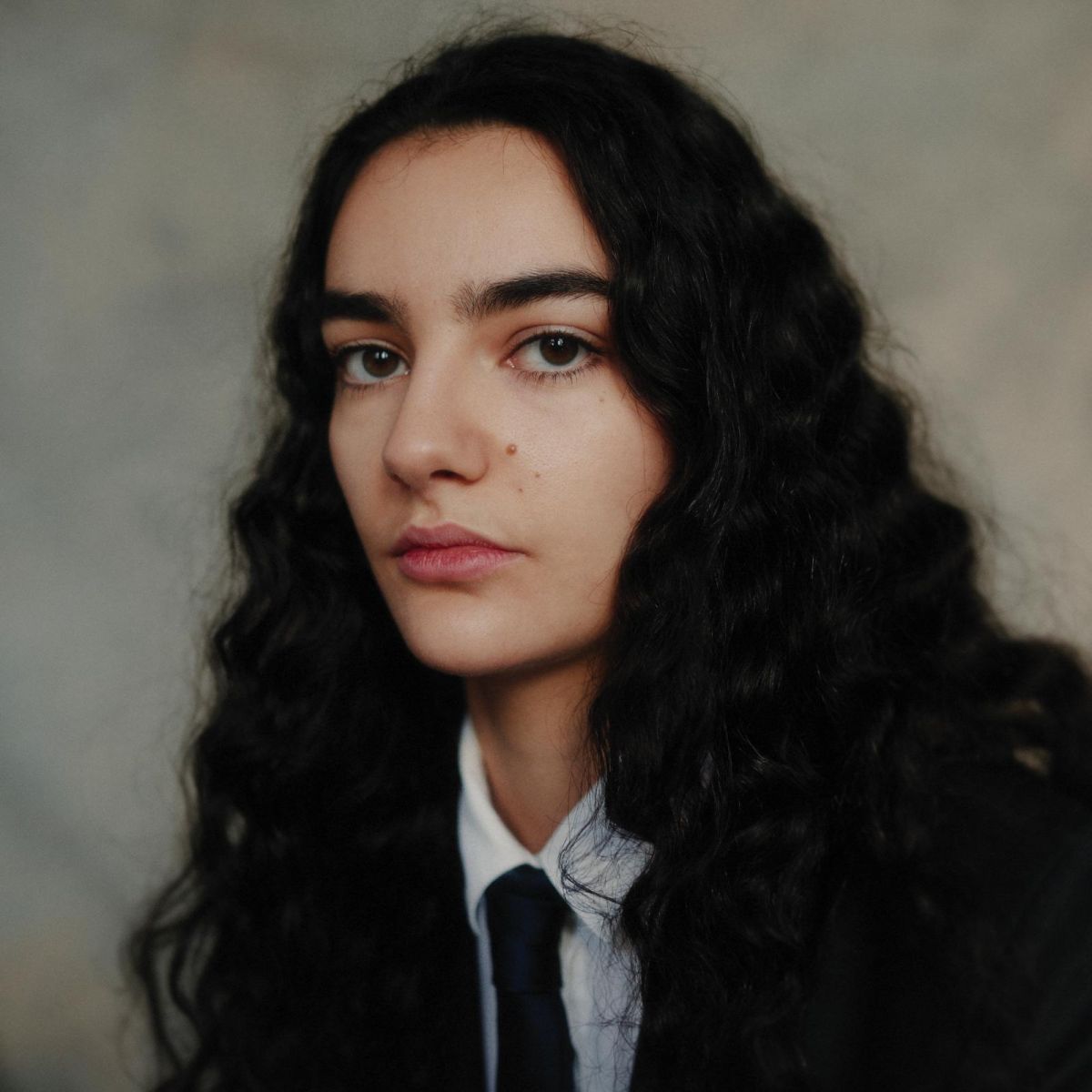
The Franco-Egyptian director Sharon Hakim. (Credit: Anne Piqué)






On Friday, Jan. 23, together with Hind Meddeb and Viviane Candas, you discussed Youssef Chahine and the "power of women." What was the basis of your contribution on this panel at the Institut du Monde Arabe (IMA)?Along with the other panelists, I spoke about Chahine's female protagonists. I believe that Chahine's interest — and love — for his female characters is less about a feminist concern than about the fact that they are at the forefront of injustice and the harshness of society. Chahine's heroines are not sacrificial — they have their own desires and goals. Chahine tells the stories of these women because they are highly sensitive subjects at the heart of oppression in the world. But they are not saints. Desiring, conflicted within, they use whatever tools at their disposal to make a place for themselves...
On Friday, Jan. 23, together with Hind Meddeb and Viviane Candas, you discussed Youssef Chahine and the "power of women." What was the basis of your contribution on this panel at the Institut du Monde Arabe (IMA)?Along with the other panelists, I spoke about Chahine's female protagonists. I believe that Chahine's interest — and love — for his female characters is less about a feminist concern than about the fact that they are at the forefront of injustice and the harshness of society. Chahine's heroines are not sacrificial — they have their own desires and goals. Chahine tells the stories of these women because they are highly sensitive subjects at the heart of oppression in the world. But they are not saints. Desiring, conflicted within, they use whatever tools at their disposal to make a place for...