






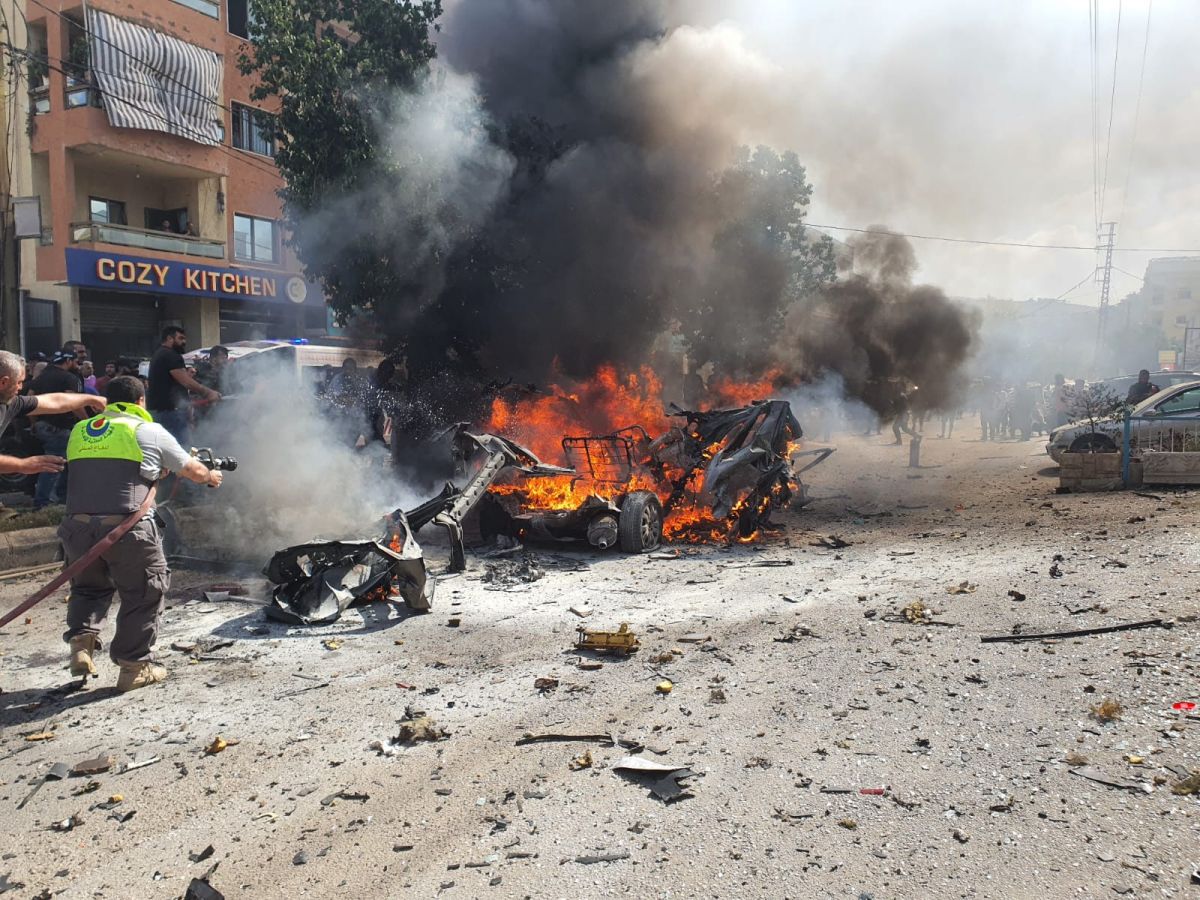
Rescuers trying to extinguish a car on fire targeted by an Israeli drone strike in Toul (Nabatieh), South Lebanon, on Oct. 24, 2025. (Credit: Mountasser Abdallah)






SOUTH LEBANON — The Israeli army carried out new deadly strikes in southern Lebanon on Friday, killing at least three people as they were traveling in their vehicles.
The first strike occurred in the town of Toul, in the Nabatieh district, where the driver of a targeted car was killed along with a female passenger. The woman also succumbed to her injuries after bystanders and rescuers tried to pull the two victims from the burning vehicle.
The two victims were identified as Abbas Karaki and Hiba Choucair. Two other people were also wounded in the attack, which shattered several nearby shop windows, according to our correspondent.
A few hours later, the Israeli army stated in a message posted on X that Abbas Karaki was “the logistics chief of Hezbollah’s southern front.” It accused him of “overseeing the reconstruction of Hezbollah’s combat capabilities and infrastructure south of the Litani River,” according to the statement issued by its Arabic-language spokesperson, Avichay Adraee.
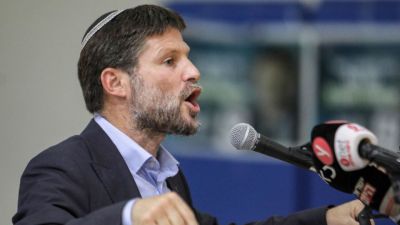
Hezbollah, issued a statement paying tribute to its “martyr who fell on the road to Jerusalem,” noting that his funeral will be held Saturday in his hometown of Harouf (Nabatieh district).
According to the state-run National News Agency (NNA), one of the victim’s brothers, Radwan Karaki, had already been killed during the open war between Hezbollah and Israel in the fall of 2024. Initially, one of the victims had been wrongly identified as Hussein al-Abed Hamdane, who was injured in Hezbollah’s pager attack in September 2024 and was later found to be the owner of the targeted vehicle.
Similar attack in Zawtar al-Gharbiyeh
Later in the evening, a similar strike targeted a vehicle in Zawtar al-Gharbiyeh, also in the Nabatieh district.
According to early information from our correspondent, the attack left at least one dead and one injured. The person who died of his wounds was identified as Rida Aatwi, who had previously been wounded during the last war between Hezbollah and Israel. He was killed in front of his home.
Rida Aatwi was initially transported in a vehicle belonging to the Islamic Health Committee (IHC), affiliated with Hezbollah, before it was involved in an accident with an ambulance heading to the same location. He was later transferred to a hospital by another ambulance belonging to al-Rissala Scouts, affiliated with the Amal Movement.
Additional Israeli attacks
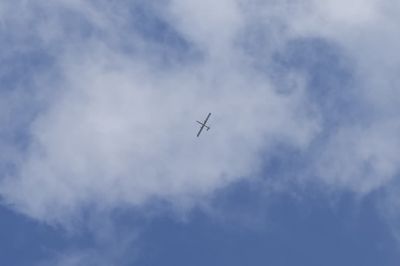
Beyond these two deadly raids, the Israeli army carried out other attacks in several parts of southern Lebanon. An Israeli drone dropped a stun bomb on Dhaira (Sour), while another drone fired a missile at an already destroyed house in eastern Mais al-Jabal (Marjayoun). These strikes caused no casualties, according to our correspondent.
Later in the afternoon, an Israeli drone dropped a stun bomb on Wadi al-Asafir, near Khiam (Marjayoun district).
In the same area, Israeli soldiers conducted a sweep operation using automatic weapons after entering from their position on the occupied Hamames Hill, south of Khiam.
Meanwhile, Israeli drones flew over several villages in the Zahrani and Saida regions, sparing Beirut’s southern suburbs this time.
New reconstruction projects
These latest deadly Israeli attacks — part of a series of recent strikes on southern Lebanon and the Bekaa — coincided with visits by two government ministers to the south: Foreign Minister Joe Rajji and Social Development Minister Haneen Sayed.
After an aerial tour by helicopter over border villages and along the Blue Line, Mr. Raggi visited the headquarters of the United Nations Interim Force in Lebanon (UNIFIL) in Naqoura (Sour).
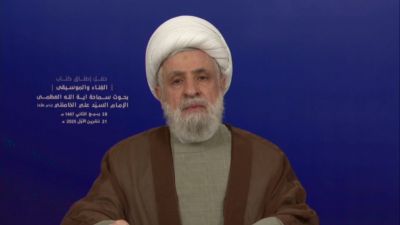
He declared that “the scale of the destruction only strengthens our determination to liberate our land and reclaim the monopoly over weapons and the authority to decide matters of war and peace.”
During her visit to Sour, Sayed announced the launch of new reconstruction projects in southern Lebanon, noting that “a comprehensive reconstruction and recovery strategy is being prepared.” She added that this effort includes “projects ready to be implemented in affected areas,” including one financed by the World Bank worth $250 million, now in its “final preparatory phase,” as well as an agricultural project led by the Council for Development and Reconstruction.
Reporting by our regional correspondent, Muntasser Abdallah.

 8 p.m. recap: Israel again threatens Beirut’s south suburbs; 2 ships hit near Hormuz; Riyadh football matches canceled