





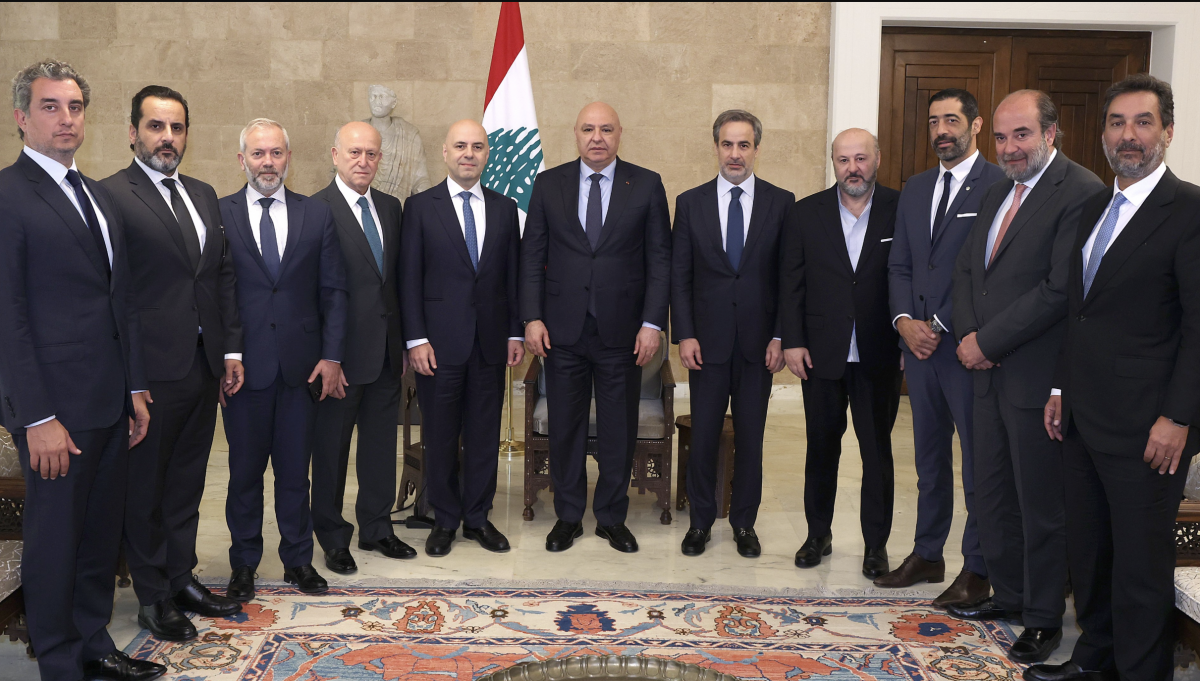
The President of the Republic, Joseph Aoun (center), receives in Baabda members of parliament in favor of amending the 2017 electoral law. (Credit: NNA)






BEIRUT — President Joseph Aoun insisted Wednesday on the need to hold the legislative elections scheduled for May 2026, "without postponement under any circumstances," and "with the participation of Lebanese in the diaspora," according to the state-run National News Agency (NNA).
The terms of this participation have polarized the Lebanese Parliament for several months, raising the risk of the election being postponed or even held without expatriates.
Aoun made these remarks during a meeting in Baabda with MPs in favor of amending the 2017 electoral law, that is to say, allowing Lebanese abroad to vote from their country of residence for all 128 MPs, not just for six additional seats. The day before, Maronite Patriarch Bechara Rai had once again called for Lebanese expatriates to be able to vote for all seats.
Aoun stressed "the need to stick to two basic principles: holding the legislative elections as scheduled, without postponement under any circumstance, and the participation of Lebanese from the diaspora in these elections," without taking a position, saying it is "the role of the current MPs in Parliament to confirm and strengthen these two principles."
The delegation received by the head of state included MPs who signed the draft law on expatriate voting — submitted May 9 and signed by 67 MPs — namely Ghassan Hasbani, Achraf Rifi, Melhem Riachi, Michel Moawad, Elias Hankach, Georges Okaïs, Michel Doueihy, Waddah Sadek and Marc Daou.
On Tuesday, Kataeb party leader Samy Gemayel criticized the speaker of Parliament for refusing to include this amendment on the agenda, threatening to resort to street protests.
'Rights of Lebanese in the diaspora'
"We support the right of Lebanese in the diaspora to play a participatory role with Lebanese residents in political decision-making in Lebanon," Aoun underlined, recalling his remarks along those lines in New York last Sept. to expatriates.
The president also mentioned "the obstacles and technical and logistical difficulties impeding the organization of voting by representatives on six continents, which would prevent the Interior Ministry from being able to implement such a process." Interior Minister Ahmad Hajjar and Aoun met Oct. 1 to discuss election preparations.
Lebanese Forces (LF) MP and former minister Ghassan Hasbani, speaking on behalf of the 67 MPs supporting the amendment to the 2017 electoral law, regretted, in a press statement after the meeting, that the draft law "still has not been placed on the agenda for the plenary session of the Chamber of Deputies," NNA reported.
"We also submitted a petition to the speaker of the parliament (Nabih Berri) asking for this proposal to be placed on the agenda for discussion and a vote, but as of now these requests have not received the desired response," added Hasbani.
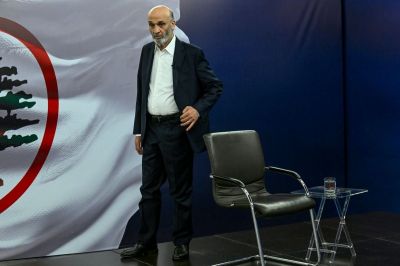
This triggered a war of words Monday between LF leader Samir Geagea and Berri, who does not want to amend the law.
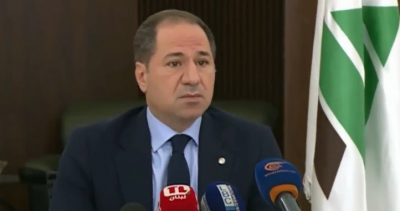
Hasbani said the MPs present had asked Joseph Aoun "to invite the government to take the initiative, as soon as possible, to prepare and submit to Parliament an urgent draft law by referral decree" concerning "the right of Lebanese in the diaspora to take part in the electoral process by voting for MPs in their home constituencies," so it could be discussed and voted on.
On Tuesday in Rome, Cardinal Rai said, "It is unfair ... to ask for help [from expatriates] without granting them the right to elect the 128 MPs who represent them."
Meanwhile, Prime Minister Nawaf Salam received independent Rashaya MP Ghassan Skaff at the Grand Serail on Wednesday, with whom he discussed "several issues, notably the legislative elections and the proposal to postpone the vote to July 15 in order to allow Lebanese in the diaspora to come to Lebanon to participate," according to Skaff, according to a message on X from the Grand Serail.
He added that "a compromise seems to be taking shape regarding the elimination of the six seats reserved for diaspora MPs, and the possibility for overseas voters to vote for all 128 MPs from their country of residence," according to the MP.

 7 p.m. recap: Iran warns Egypt, Israeli soldiers vote in south Lebanon, Haret Hreik responds to Kataeb