


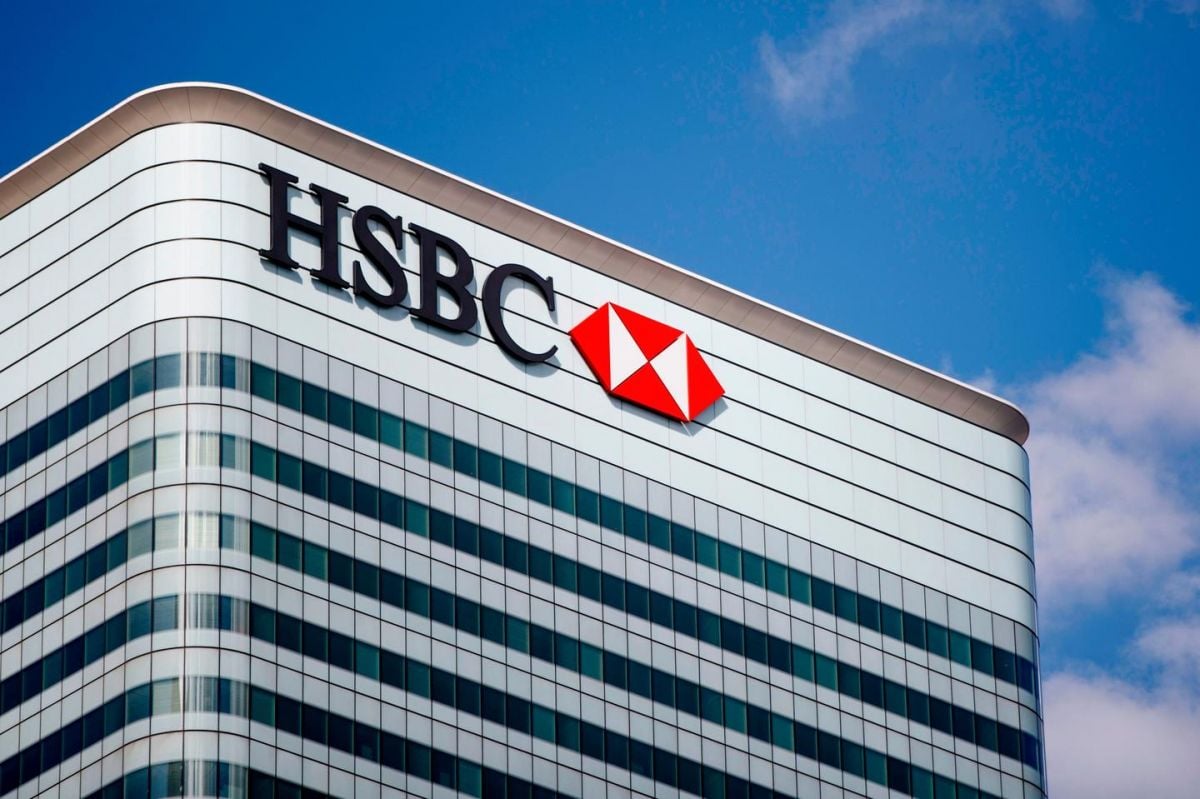
HSBC headquarters in London. (Credit: AFP archive photo)






BEIRUT — HSBC is winding down ties with hundreds of wealthy Middle Eastern clients at its Swiss private bank, as the British lender seeks to cut exposure to customers it considers high-risk, Bloomberg reported.
More than 1,000 clients from Saudi Arabia, Lebanon, Qatar and Egypt — many with assets of more than $100 million — have been told they will no longer be served by the bank’s Swiss wealth management branch, according to the report. Some have already received formal notices and are expected to be sent closure letters advising them to transfer their funds elsewhere in the coming months.
The move comes as Swiss Financial Market Supervisory Authority, FINMA, continues to scrutinize HSBC’s handling of high-risk accounts and politically exposed persons. The bank aims to complete most of these closures within six months and has set up a dedicated team to oversee the process, Bloomberg said, citing people familiar with the matter.
Last year, FINMA barred HSBC from entering new relationships with politically exposed clients and ordered the bank to hire an external auditor to review existing accounts. HSBC’s Swiss subsidiary had once been central to the bank’s push to expand in the Middle East, but those ambitions have been undermined by regulatory pressure and the exit of high-profile bankers, Bloomberg reported.

Last month, it was revealed that HSBC's Swiss private bank was under investigation in Switzerland for alleged money laundering linked to the embezzlement of hundreds of millions of dollars by former Banque du Liban governor Riad Salameh. In June 2024, FINMA identified two high-risk individuals — Riad and his brother Raja Salameh — for whom it believes HSBC Private Bank (Suisse) SA did not adequately check the origin, purpose or context of the assets in question. The suspicious transactions, involving more than $300 million, took place between Lebanon and Switzerland from 2002 to 2015, according to FINMA. This decision followed a procedure opened in December 2021.
According to Swiss newspaper Sonntags Zeitung, roughly $250 million was deposited into Raja’s personal account at HSBC’s Geneva branch, while additional funds were spread across UBS, Credit Suisse, Julius Baer, EFG and Pictet. Both brothers have denied any wrongdoing.

 7 p.m. recap: 1 person killed near border with Lebanon; 200 kilos of explosives carried by mules; Riyadh shuts its airspace