






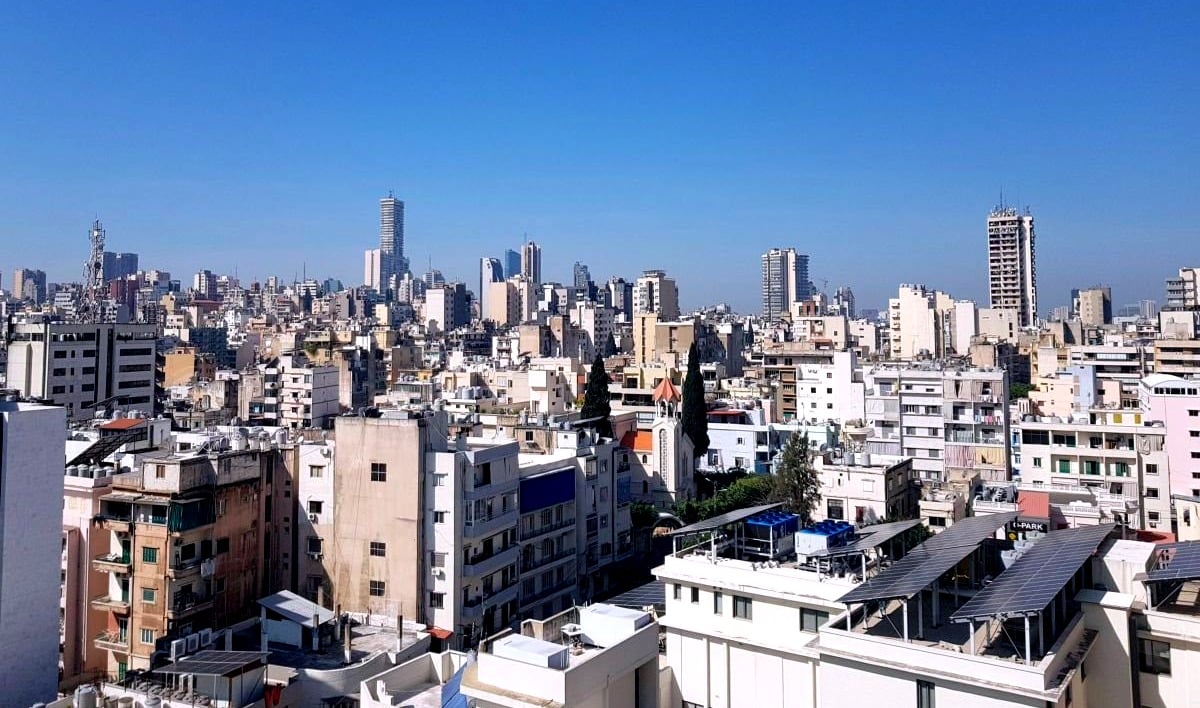
An overview of Beirut. (Credit: Guillaume Boudisseau)






“The diaspora has always been Lebanon’s support and hope,” President Joseph Aoun said Friday at the fourth diaspora economic forum in Beirut. “When all sources of income dried up, only you kept going,” he told attendees, referring to the economic crisis that began in late 2019.
According to a February 2024 World Bank report, Lebanon received $5.8 billion in remittances from its diaspora, accounting for 17.7 percent of the country's GDP. At the peak of the crisis in 2021, remittances made up 32.1 percent of GDP.
These transfers have kept many families in Lebanon afloat during periods of hyperinflation and the sharp depreciation of the national currency, with 44 percent of the population falling below the poverty line. Bank restrictions on deposits and widespread job losses have deepened the economic hardship. Many expatriates, who left partly to help support their families back home, told L’Orient-Le Jour about the weight of that responsibility — often shouldered much earlier in life than expected.
Responsibility and guilt
“I want them to live like before the crisis. I consider it my responsibility, so I put pressure on myself,” said Julien*, 32, who has lived in Doha, Qatar, since late 2021. He works in media and supports five family members — his parents, his brother, and two cousins — according to their needs. Sometimes he wires money; other times he brings cash when visiting Lebanon.
Julien works “twice as hard” to provide for his unemployed parents and brother, whose bank accounts are frozen. “When they say they can no longer afford something, I take on more work so they can always have it,” he said.
Julien admitted he left Lebanon partly to secure financial stability for himself and his loved ones. “Right now, I’m avoiding major personal projects so I can keep saving and make sure no one ever lacks anything,” he said, adding that he is “traumatized” by the Lebanese banking system.
Thousands of kilometers away in Canada, Nour*, 37, said the financial aid she sends to her family — about 15 percent of her annual income — grows every year “since the cost of living has risen a lot there.” Her relatives have no savings and “live month to month, paycheck to paycheck.” Nour helps them cover emergencies such as car repairs, school fees and moving expenses.
She said she often sacrifices personal purchases and is frustrated by “the high-end lifestyle that persists in Lebanon” despite the crisis. “The social pressure, the importance given to appearances and how others see you, prevents people from lowering their standard of living even though they can’t afford it,” she said.
In Dubai, where he has lived since late 2018, Elie originally planned to stay “two or three years.” The crisis changed those plans, forcing him to remain so he could support his parents in Lebanon.
In 2019 and 2020, Elie helped only during emergencies. Now, he sends a fixed monthly amount to his relatives, whose funds are frozen in the banks. “It has become normal,” he said. At the height of the crisis, from 2019 to 2021, he left a job he enjoyed for one with a better salary “because finances became the priority.”
Though he feels guilty for being far from his family, Elie said the country left him no choice. “I knew I would someday help my parents. With the crisis, it happened sooner than expected.”
*Names have been changed.

 8 p.m. recap: Israel again threatens Beirut’s south suburbs; 2 ships hit near Hormuz; Riyadh football matches canceled