






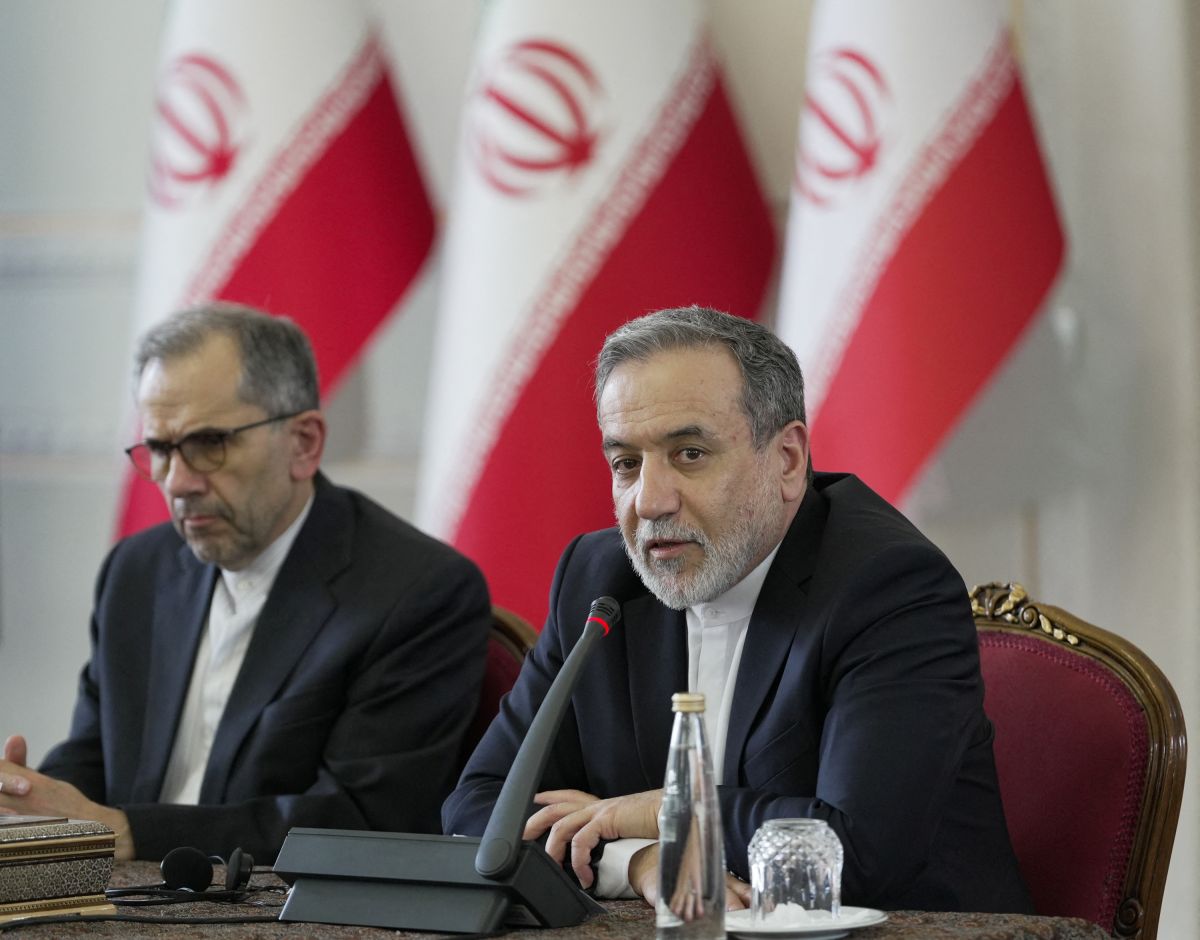
Iranian Foreign Minister Abbas Araghchi speaks during a meeting with foreign ambassadors in Tehran, on July 12, 2025. (Credit: Hamid Forootan/Iranian Ministry of Foreign Affairs.)






BEIRUT — Iranian Foreign Minister Abbas Araghchi said his country would be willing to return to the negotiating table with the United States if it received assurances, it would not be attacked again, Iranian state media reported Sunday.
In a speech Saturday to foreign diplomats in Tehran, the Iranian foreign minister said Iran had "always been ready, and would remain so in the future" to discuss its nuclear program, but that "guarantees must be provided so that, if talks resume, the process does not lead to war."
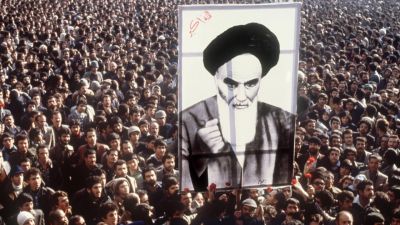
Referring to the 12-day war triggered by Israeli bombings of Iranian nuclear and military sites, as well as a series of U.S. strikes on June 22, Araghchi added that if the U.S. and others want to resume talks with Iran, "first and foremost, there must be a firm guarantee that such actions will not happen again. The attack against Iranian nuclear facilities has made finding a negotiated solution more difficult and more complex."
"The choice belongs to America. Will the United States finally choose diplomacy? Or will it remain trapped in someone else's war?" Araghchi had previously written, in conclusion of an op-ed published in the Financial Times.
'Case-by-case' cooperation with the IAEA
Following those strikes, Tehran decided to suspend its cooperation with the IAEA, the International Atomic Energy Agency, and to withdraw from the Treaty on the Non-Proliferation of Nuclear Weapons (NPT), decisions that resulted in inspectors leaving Iranian territory.
In his statement, Araghchi said his country would respond to future requests for cooperation from the agency "on a case-by-case basis, according to its national interests." He specified that any inspections by the agency would need to take into account both Iran's "security concerns" and the safety of inspectors. "The risk of proliferation of radioactive materials and explosion of munitions is still serious at the attacked nuclear sites," he warned.
Last Monday, Iranian President Massoud Pezeshkian said in an interview that Israeli and U.S. strikes had damaged the country's nuclear facilities so severely that Iranian authorities still had not been able to access them to assess the extent of the damage.

At the same time, Israeli Prime Minister Benjamin Netanyahu again praised Israel's "disruptions" to the Iranian nuclear program on Fox News on Saturday, arguing that it had been delayed "by a decade."
According to him, Iran "rushed to acquire nuclear weapons after Hezbollah's fall and the collapse of the axis," and Israel "saw it coming." "In a year, [Iran] would have had an operational bomb, and would have used it, it would have literally wiped us out," he continued.
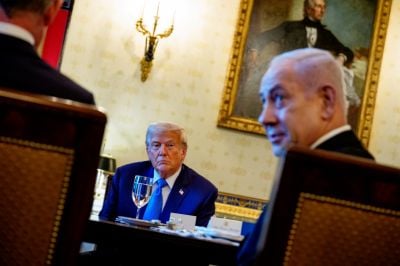
Netanyahu added that U.S. President Donald Trump "understands that our enemy is [the United States'] enemy and that our victory is your victory. He changed U.S. policy. He said: If this is our common enemy, we can have a common victory."
Israel said it launched its attack against Iran on the grounds that the Islamic Republic was on the verge of acquiring nuclear weapons. However, U.S. intelligence agencies and the International Atomic Energy Agency estimated that Iran has not had a structured military nuclear program since 2003, although it has enriched uranium up to 60 percent, a technical step away from the military threshold of 90 percent.
According to Iranian authorities, at least 1,060 people were killed in Iran as a result of Israeli attacks during the 12-day war, up from a previous toll of 935 reported after the cease-fire agreed to on June 24. On the Israeli side, rescue workers reported a final tally of 28 deaths due to Iranian missile strikes.

 8 p.m. recap: Israel again threatens Beirut’s south suburbs; 2 ships hit near Hormuz; Riyadh football matches canceled