






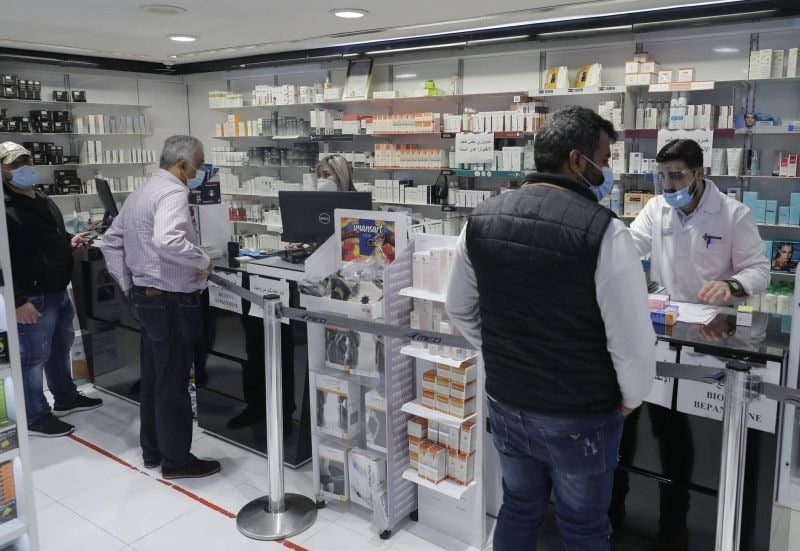
Medicine shortages persist, even though importers say they have begun distributing stocks from their warehouses. (Credit: Joseph Eid/AFP)






A televised investigative report aired on Monday by MTV Lebanon ignited controversy over the safety and quality standards of pharmaceutical and supplement manufacturing in the country, prompting a response from the Syndicate of Pharmaceutical Manufacturers in Lebanon (SPIL) the next day, saying it supported investigations into any possible violations.
In a four-minute segment led by journalist Majdoline Lahham, MTV spotlighted troubling conditions at a Lebanese factory producing Probiolife, a probiotic supplement marketed for digestive issues such as IBS, diarrhea, and gut inflammation. The report alleged that the product is being packaged in "unsanitary, primitive conditions," lacking proper stabilizers, sterilization procedures, or regular oversight from the Ministry of Public Health.
Although Probiolife is officially registered with the Sanitary Engineering Department and is currently being tested in a clinical trial for gastroesophageal reflux (GERD), lab results and footage presented by MTV suggest that consumers may be unknowingly exposed to mislabeled or contaminated doses.
'Health of citizens is a red line'
In response, SPIL issued a statement defending the country’s pharmaceutical industry and calling for accurate and responsible reporting. “The health of citizens and the quality of products manufactured in Lebanon are a red line,” the syndicate stated, adding that it supports any legal investigation into proven violations.
SPIL criticized the report’s broad framing of the issue, which referred to the situation as “a resounding scandal in the pharmaceutical manufacturing and packaging sector in Lebanon.”
The syndicate emphasized that Lebanese pharmaceutical factories “operate according to the highest internationally recognized Good Manufacturing Practice [GMP] standards and are periodically subject to oversight by the competent authorities, both locally and internationally.”
While affirming its respect for media scrutiny, SPIL called on journalists to consult with relevant authorities before implicating the pharmaceutical sector as a whole. “We hope that all media outlets will communicate with the relevant authorities... to obtain clarification before discussing the pharmaceutical industry as a whole in news reports and casting doubt on the quality of the sector's activity,” the statement read.
As the controversy unfolds, the company behind Probiolife has not responded to repeated requests for comment from L’Orient Today. Meanwhile, the Order of Pharmacists in Lebanon has yet to issue an official statement regarding the product's legality or potential risks.
SPIL concluded its statement by affirming its willingness to cooperate with regulatory bodies “in a manner that preserves the health of the citizen, protects the reputation of the national pharmaceutical industry, and maintains its stability and credibility.”