






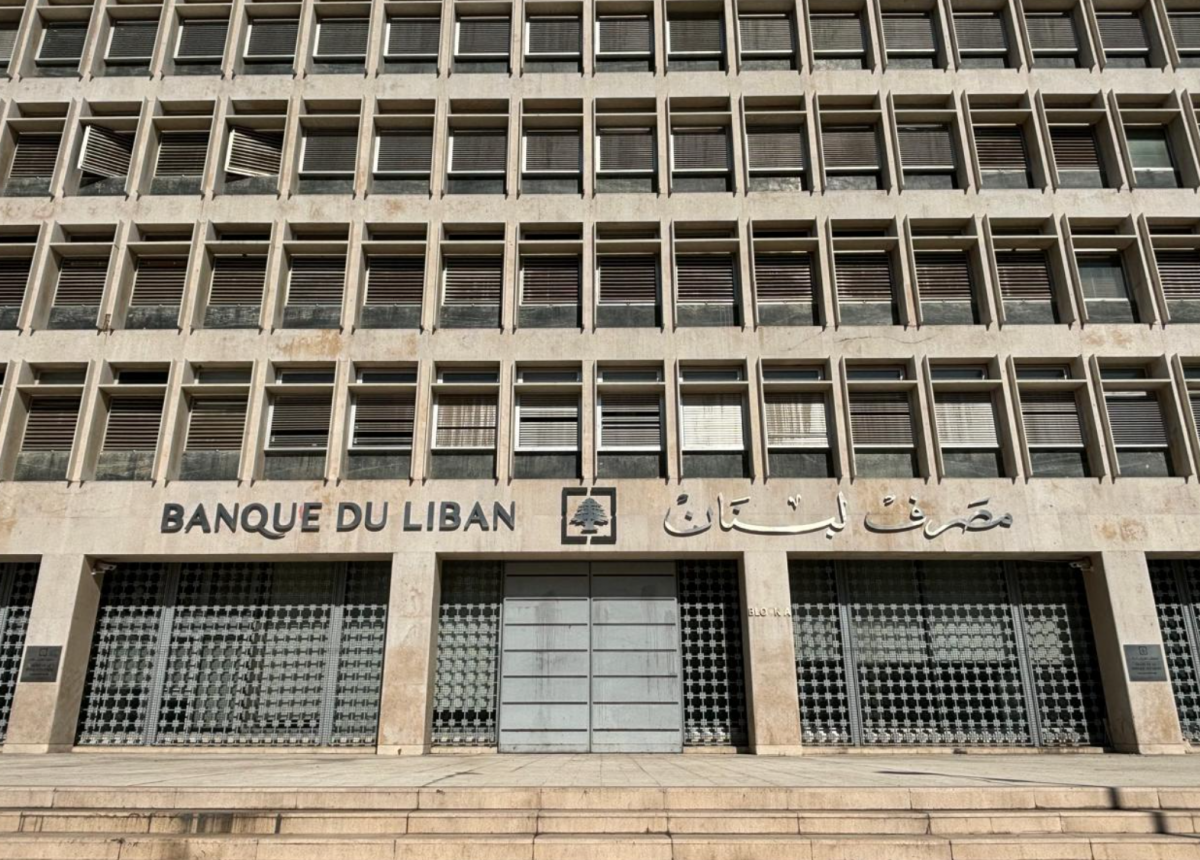
Banque du Liban in Hamra, Beirut, on Jan. 30, 2024. (Credit: Philippe Hage Boutros/L'Orient-Le Jour)






The effect of the momentum created by Joseph Aoun's election and the formation of Nawaf Salam's government on Eurobond prices has waned with fears linked to developments in the security situation, following the recent Israeli strikes on Beirut's southern suburbs, and uncertainty over the executive's ability to reform the country.
According to data relayed by Marwan Barakat, head of Bank Audi's research department, prices of these dollar-denominated debt securities issued by Lebanon were trading at 14 cents to the dollar late on Monday, their lowest level since Jan. 3. They had already fallen sharply before the first of the Israeli strikes at the end of March, dropping below 16 cents on the dollar. They had peaked at 19 cents in early March.
Eurobonds are only traded between holders of securities already issued since the default was announced in March 2020 by Hassan Diab's government.
Their cumulative nominal amount is $31.314 billion, in 29 series issued between March 9, 2010, and Nov. 27, 2019, according to official figures published by the government at the end of February. Prices had risen in the wake of Aoun's election, under pressure from speculators banking on the feasibility of a scenario in which the government managed to launch reforms in a stable security environment, with a recovery rate expected to reach 25 percent or even 30 percent by the most optimistic.
But the situation has changed since then: Israel has still not withdrawn from southern Lebanon after the set deadline, its cease-fire violations continue, and the government has yet to take a decisive step in the reform process.
