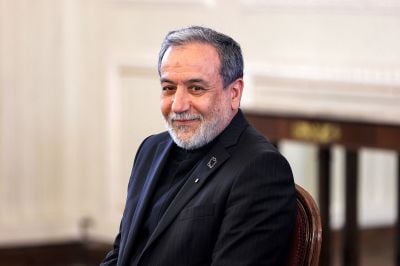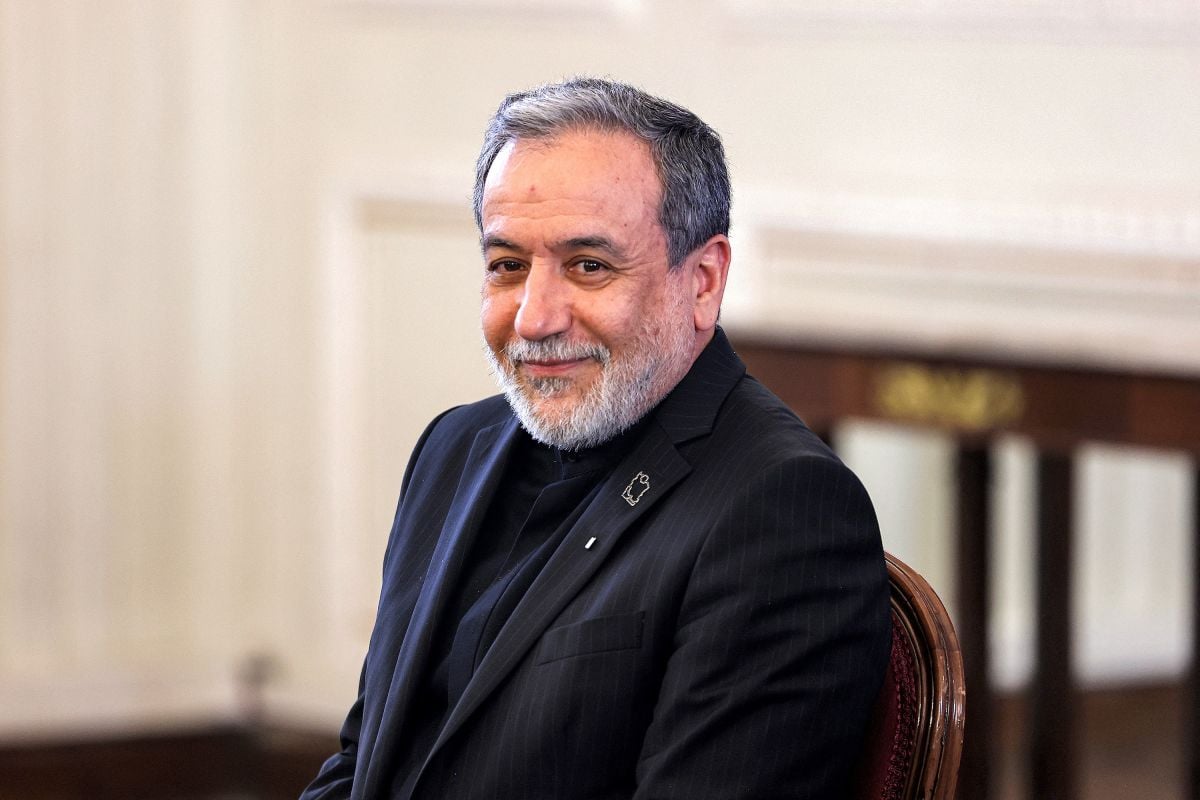
Iranian Foreign Minister Abbas Araghchi attends an information meeting with ambassadors and foreign diplomats in Tehran on Oct. 4, 2026. (Credit: Atta Kenare/AFP)






Impeachment proceedings against Iranian Foreign Minister Abbas Araghchi have been filed in parliament in Tehran, according to the Tasnim news agency. According to Mohammad Rachidi, a member of the parliament's presidium, the request has been submitted but has not yet been forwarded to the offices of Mohammad Bagher Ghalibaf.
The Eghtesad news outlet, which notes that impeachment of Abbas Araghchi is regularly demanded by Iranian ultraconservatives, reports that these critics admonish the foreign minister for talks held, via Qatari mediation, in New York with U.S. envoy Steve Witkoff on the sidelines of the U.N. General Assembly. These discussions reportedly were not coordinated with the Supreme National Security Council. It was this "mistake," and these dealings "without authorization from the Supreme Leader," Mojtaba Khamenei, that led lawmaker Amirhossein Sabeti to request Araghchi's impeachment in a letter to Ghalibaf, one of the main mediators with Washington. Another lawmaker, Hossein-Ali Haji-Deligani, cited by Mehr news agency, said he also signed the letter and accused Abbas Araghchi of "causing oil prices to drop to the benefit of the United States through his statements in the media."
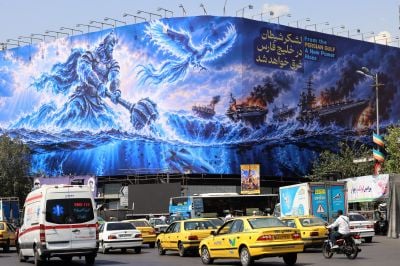
Another member of the presiding board, Hojjatoleslam Alireza Salimi, confirmed to Mehr the filing of an impeachment request, while emphasizing this did not automatically mean it would be approved by the head of the legislature or scheduled for session.
On Sept. 22, during the U.N. General Assembly, negotiations between Araghchi and Witkoff centered on reopening the strategic Strait of Hormuz. The Iranian minister conveyed Tehran's conditions, including "the immediate lifting of the [U.S.] naval blockade, quick transfer of all frozen Iranian assets, as well as the end of war on all fronts." U.S. President Donald Trump rejected the proposal. Before the Iranian-U.S. talks, Trump declared from the U.N. podium that he had a choice between "annihilating" Iran or making a deal, predicting that a diplomatic solution would be found after November's midterm elections in the United States.
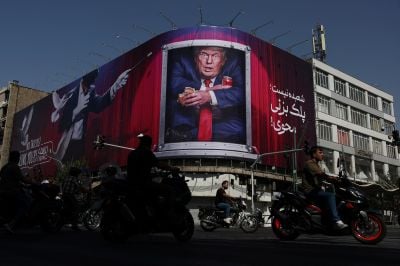
Despite these statements, Qatar said Tuesday that talks are ongoing between Washington and Tehran to try to break the deadlock after more than seven months of conflict. "Talks between the United States and Iran, and exchanges of messages between different parties, continue via Qatar and its regional partners," Ibrahim al-Hashmi, an official at Qatar's Foreign Ministry, said at a press conference in Doha.
The war launched by the U.S. and Israel on Iran at the end of February has killed thousands of people, mostly in Iran and Lebanon, and has shaken the global economy by disrupting exports from Gulf oil monarchies. Despite a "cease-fire" reached in April and a protocol agreement signed in June, hostilities resumed in July around the Strait of Hormuz. Tehran claims control of the route, which before the war carried a fifth of the world's hydrocarbons, and is restricting maritime traffic there. In response, Washington has imposed a naval blockade on Iranian ports.