


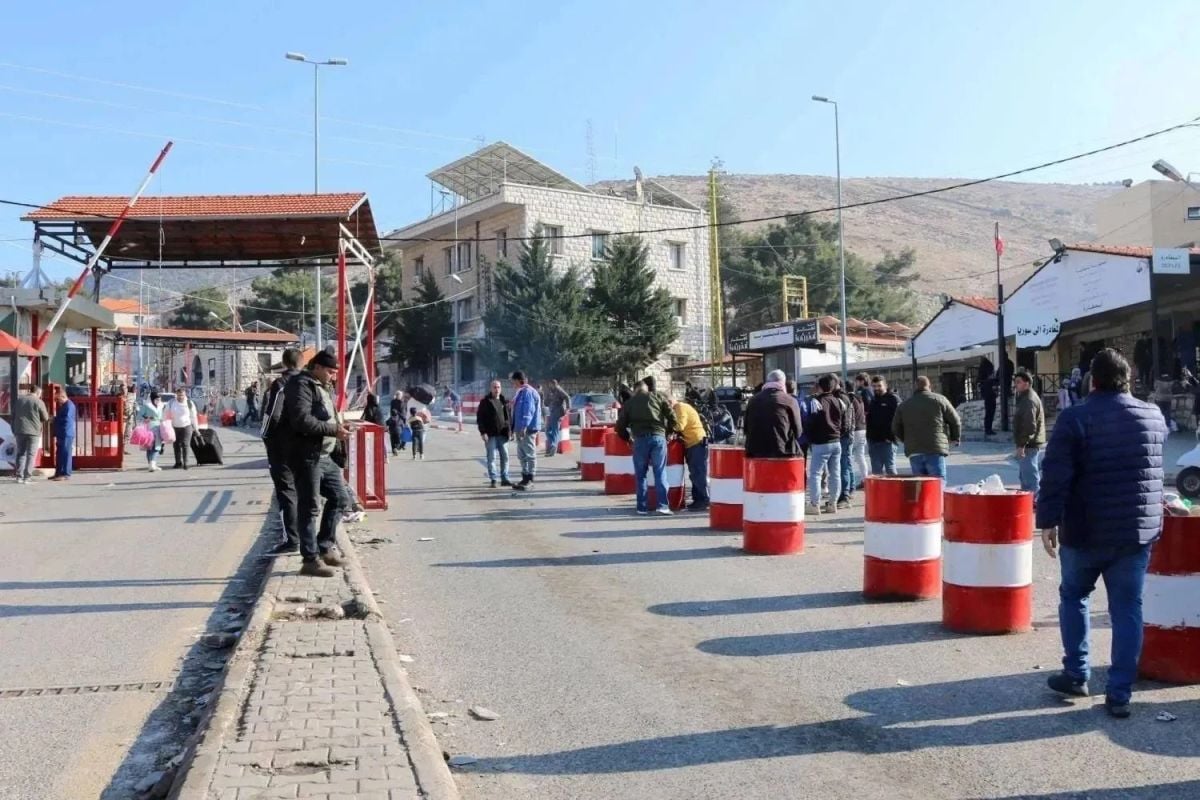
View of the Masnaa border crossing between Lebanon and Syria. (Credit: AFP archive photo)






BEIRUT — Dozens of trucks carrying Lebanese agricultural products crossed the Masnaa border crossing between Lebanon and Syria on Thursday, heading to Saudi Arabia, officially marking the resumption of Lebanese land exports to the Kingdom more than two months after Riyadh authorized their return.
The trucks departed following a protocol visit by Saudi Ambassador Fahd al-Dossari, who inspected the border infrastructure and reaffirmed his country’s “confidence” in Lebanon after years of strained relations over drug trafficking cases and Hezbollah’s growing political influence.
Lebanese Public Works and Transport Minister Fayez Rassamny, who accompanied the ambassador, highlighted ongoing work at Lebanon’s various border crossings to curb corruption, smuggling and other forms of trafficking.
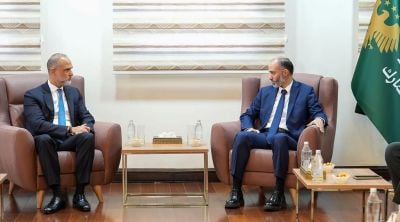
Rassamny also highlighted Lebanon’s need for “investment from friendly countries” during the tour. “We understand that past actions have caused us to lose Saudi Arabia’s trust,” he acknowledged.
Al-Dossari was quick to respond. Speaking to LBCI, he said: “If there was no trust, we would not be here.”
The remarks reflect a new warming phase in historically close ties between Lebanon and Saudi Arabia, more than two months after Riyadh announced that it would allow Lebanese exports to resume.
In 2021, Gulf states, including Saudi Arabia, recalled their ambassadors from Beirut after comments by a Lebanese minister criticizing Saudi Arabia’s military intervention in Yemen. Riyadh also suspended imports of Lebanese fruit and vegetables that April, saying shipments were being used for drug trafficking and accusing Beirut of failing to act.
The Lebanese minister also discussed rehabilitation work at the Masnaa crossing, the main border point between Lebanon and Syria and the “gateway from Lebanon to its Arab surroundings.”
He outlined plans to build “separate lanes for trucks, buses and travelers” and move the Lebanese Customs and General Security checkpoint away from the Syrian authorities’ checkpoint. The changes aim to “reduce transit times, strengthen controls and combat smuggling.”
The project is expected to take three years and cost around $61 million.
Rassamny reiterated that securing Lebanon’s land, sea and air border crossings has been one of his main priorities since the government was formed in February 2025. He pointed to recent measures, including the installation of scanners at the ports of Beirut and Tripoli to inspect “100% of exports.”
The border between Lebanon and Syria is long and porous, partly because it has not been fully demarcated and some sections remain disputed. In recent months, Syrian authorities have repeatedly announced the interception of weapons and drug-smuggling attempts to or from Lebanon.
During his visit to Masnaa on Thursday, Rassamny also referred to “regular meetings with the Syrians to develop our respective economies.” He said the Abboudieh border crossing between Akkar and Syria’s Homs region would open “in the coming weeks,” helping reduce traffic at Masnaa.
Most border crossings between Lebanon and Syria, including Masnaa, Abboudieh and Arida on the coast north of Tripoli, were heavily damaged by Israeli strikes during the 2024 Hezbollah-Israel conflict.
