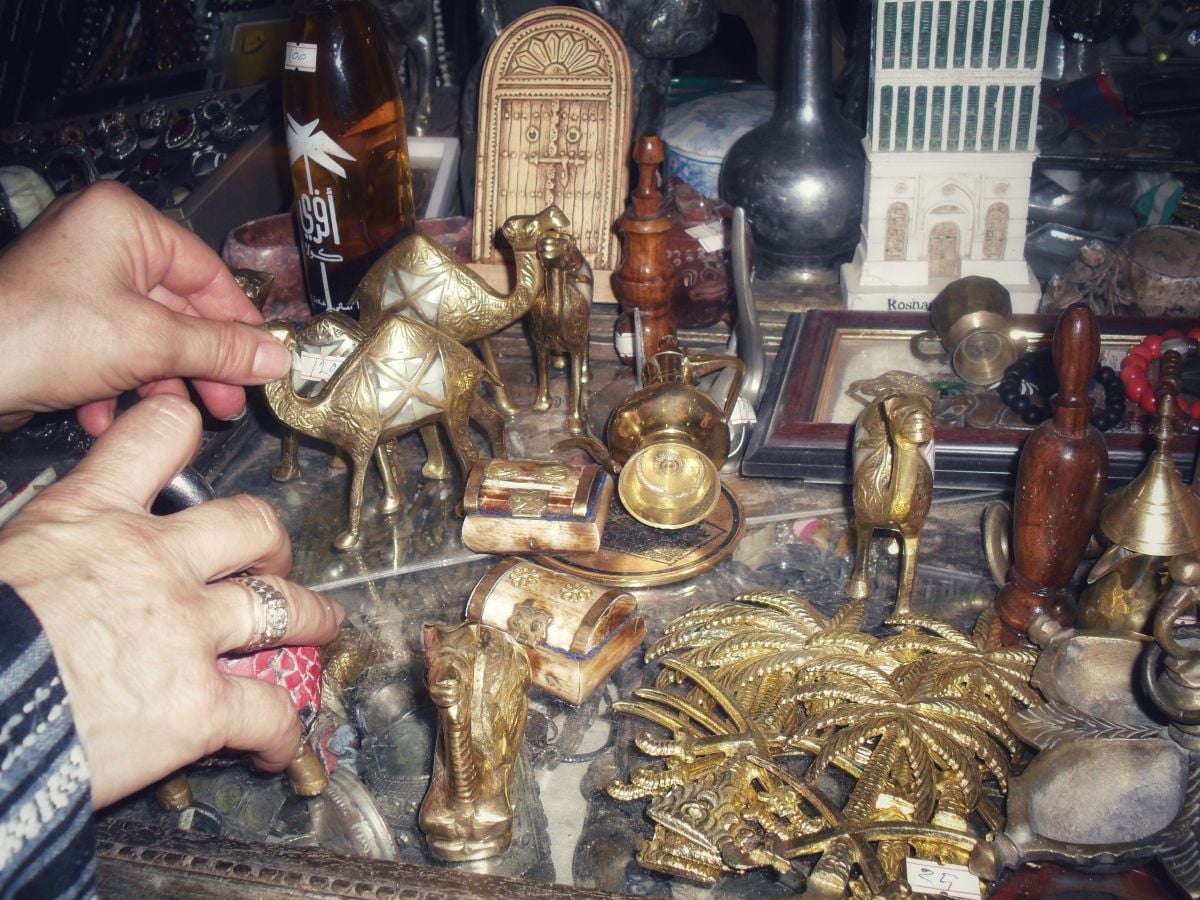
A delightfully chaotic treasure trove of trinkets to sift through at Souq al-Zal. (Credit: Yara Malke/L'Orient Today)






Lebanese dwellers in the capital know that, come summertime, it's tough to find things to do in the searing heat. In this Riyadh special series, L'Orient Today highlights standout cultural sanctuaries for evenings well spent.
Tuesday afternoon. Midweek. Smack-dab in the middle of July. Not the ideal weather for meandering outdoors in Riyadh during the daytime.
However, once dusk settles over the city, people spill into the streets. My family, friends, and I head to Souq al-Zal, Riyadh's oldest traditional street market, tucked into al-Dirah neighborhood at the heart of the capital.

Most striking around the souq is the warm brown palette and shades of dusky amber, a pleasant contrast to the bright screens and colorful lights that engulf the street. Mudbrick facades line the area. Built in the traditional Najdi style, they're made from theen [mud], gash [palm fronds], and tiben [hay], molded into earthen, handmade homes. I wonder if their ornate wooden doors open into a different century.
Through a narrow alleyway, music crackles from old radios perched above makeshift stands draped in tablecloths. A man dances as a small crowd claps along. Cassette tapes jut out of weathered trunks. Antique stereos, vintage cameras, rare coins, old television sets, and coffee grinders are on display.
"Hala!" echoes from every corner.
An aging television flickers in the background, playing a decades-old Khaleeji music video. At one stall, I overhear a Lebanese woman (recognizing the dialect like a radar) exclaim as she points excitedly at a radio: "This is like the one my grandfather used to have. Hayakallah, how much?"
At the next stall, another woman eloquently haggles over an original The Temptations vinyl she reaches for before I do. I am distraught, defeated, but impressed by her swiftness in negotiating almost half the asking price.
The next neck of the street is fragrant with oud, amber, and hints of traditional perfumes brandished by sellers. One man stands patiently in the middle of the walkway holding a mabkhara [incense burner], inviting passersby to draw in the smoke.
I watch him pass it around to my friends, and they each instinctively cup the incense burner, then slowly wave the smoke toward their face before passing it on. I follow suit.
The vendors toward the end of the street display traditional agal headbands, flowing abayas, mishlah cloaks, and handcrafted masabeeh. Vintage dallahs, the distinctive, shiny copper Arabic coffee pots synonymous with Saudi hospitality, are everywhere. The aroma of the spices on sale is faint, but delicious.
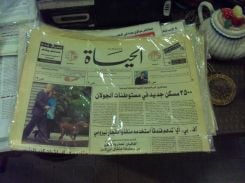
Then, I spot something that catches me off guard. At one stall, I unexpectedly stumble upon an old copy of the now-closed Beirut-based, Saudi-owned newspaper Al-Hayat, and then a golden souvenir from Baalbeck, engraved with the word "Lebanon." Objects travel too, I think to myself. These will now reside in my parents' living room.
Toward the end of the market, handmade textiles and carpets hang in thick rows, many Saudi-made. A woman explains to me passionately the process of washing and drying sheep's wool, before spinning it into yarn, then weaving it by hand into intricate patterns, passed down through generations.
On the way back, we each take a breather to inspect the little trinkets and keepsakes we bought along the way. We are beat, but excited, like children who have just returned from a competitive treasure hunt.
If your least favorite thing about museums is that you can't touch anything, or take it home with you, Souq al-Zal should definitely be on your docket this week.
Souq al-Zal spans 38,000 square meters and has stood the test of time in this corner of Riyadh for over a century. It is known for its antiques, auctions, and traditional crafts. Find opening hours and directions here.